Concentration and impulse control
Waiting, looking closely, reacting at the right moment: key skills for everyday school life.
141 carefully chosen board games that can help build concentration, memory, language and planning, with honest reviews and a skills profile for every family.
Good board games can support key thinking skills along the way. And the most important part happens between turns: undivided attention, shared laughter and learning to lose in a safe setting.
Waiting, looking closely, reacting at the right moment: key skills for everyday school life.
Remembering, thinking ahead, switching flexibly: executive functions are put to work through play.
Vocabulary, storytelling, counting and mental math: school skills without a single worksheet.
Time spent playing together says: you matter to me. Winning and losing are practiced together.
Filter by age, skill area or number of players. Every game leads to a detailed review.
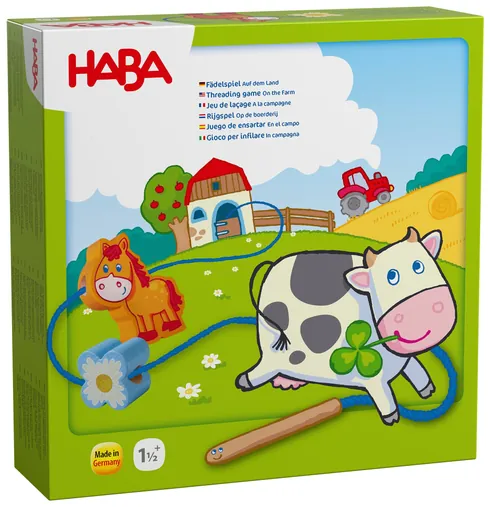 Ages 1½+★ 3.6
Thread wooden pieces onto a cord and make first patterns: this can help build fine motor skills and hand-eye coordination even in the very youngest.
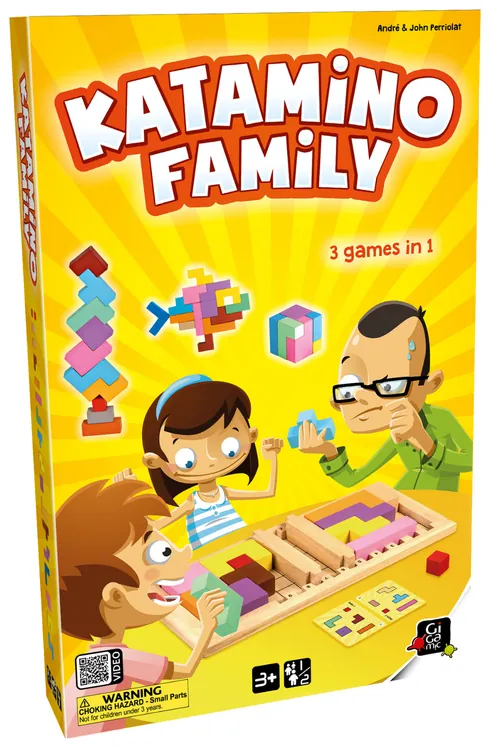 Ages 3+★ 4.2
Fit wooden blocks into the given area without leaving gaps: a versatile spatial puzzle game that grows with the player's skills.
Editors' pick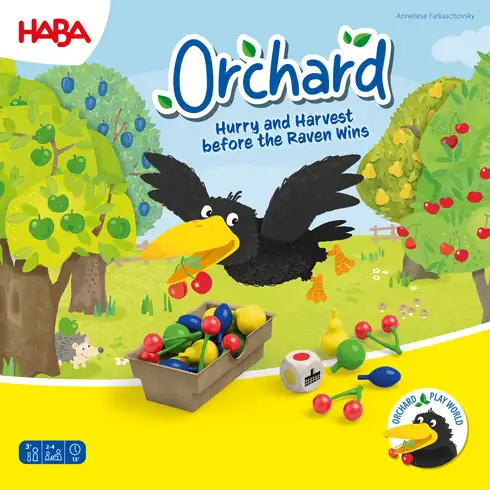 Ages 3+★ 3.8
The cooperative classic for preschool children: harvest all the fruit together before the raven puzzle is complete.
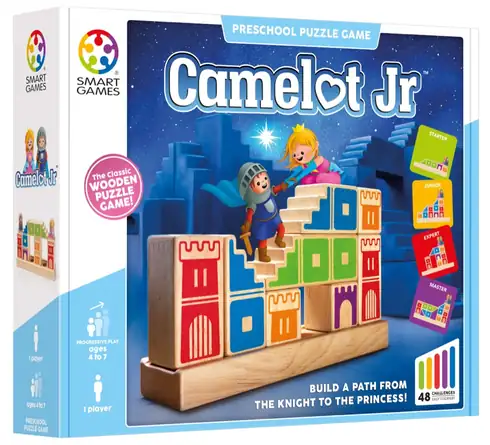 Ages 4+★ 4.2
Bring the knight and the princess together: a solo logic game with challenges of increasing difficulty.
Editors' pick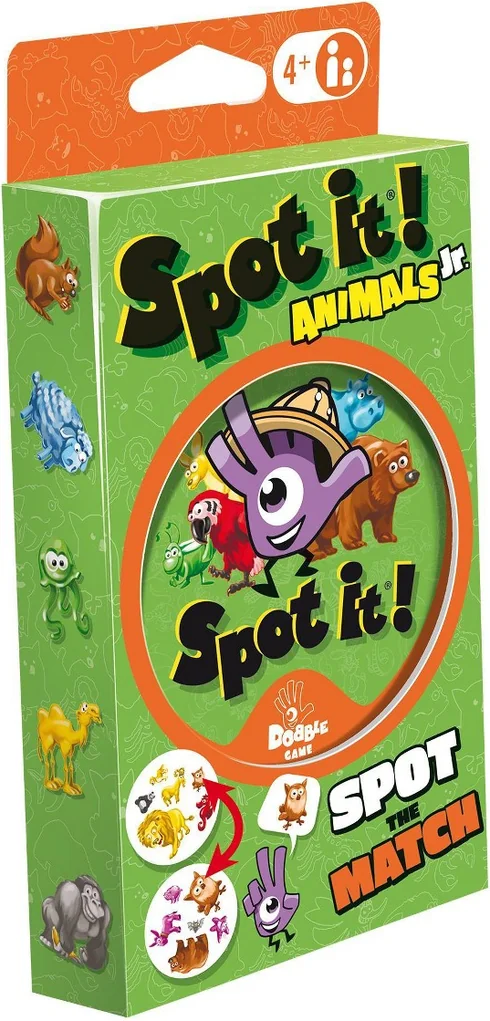 Ages 4+★ 4.0
The simpler animal version of the classic symbol game: spotting the same animal on two cards. An ideal first quick-recognition game from age 4.
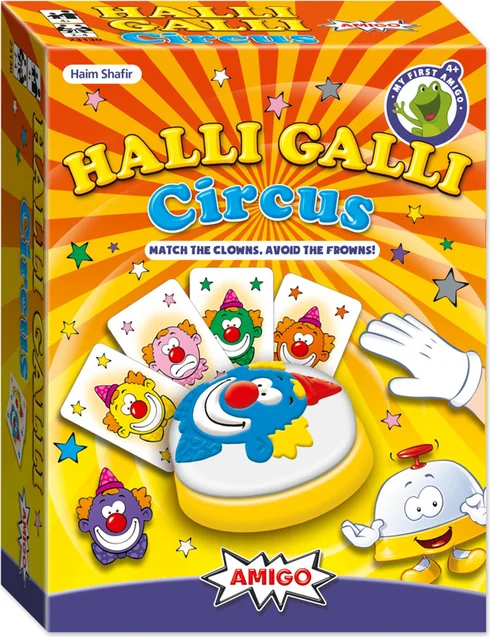 Ages 4+★ 3.9
Two matching clowns? Hit the bell! The classic reaction game in a version without counting, from age 4.
Editors' pick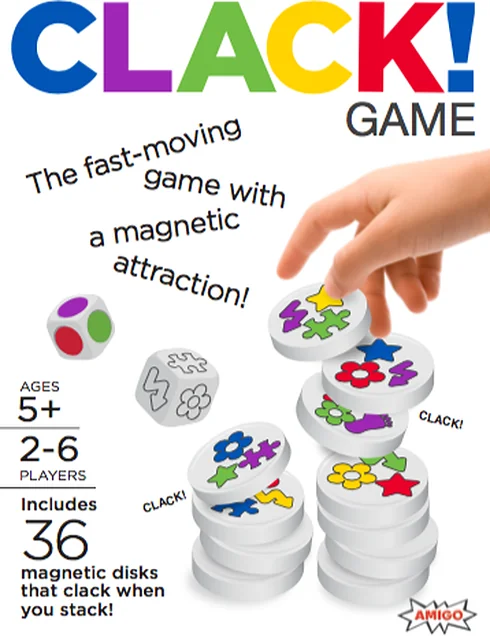 Ages 4+★ 4.2
After the dice are rolled, quickly collect the matching color and symbol discs, which stick to each other: a fast perception game.
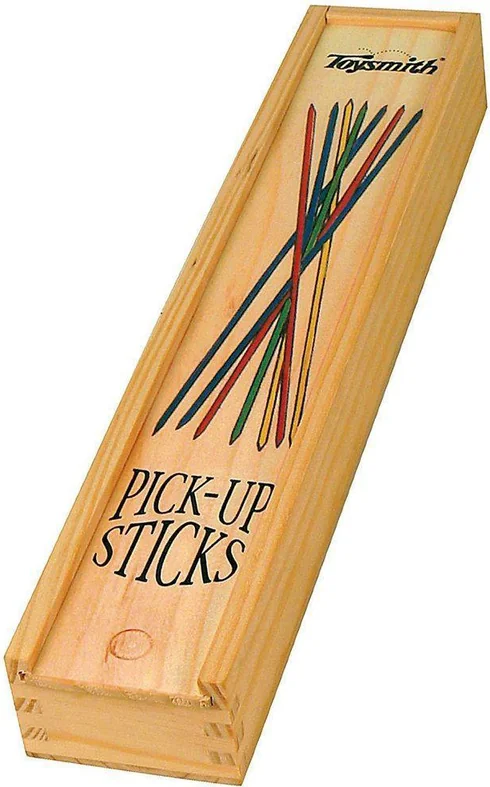 Ages 4+★ 4.0
Pull sticks out of the pile one at a time without moving any of the others: steady hands and patience in a timeless game of dexterity.
 Ages 4+★ 4.0
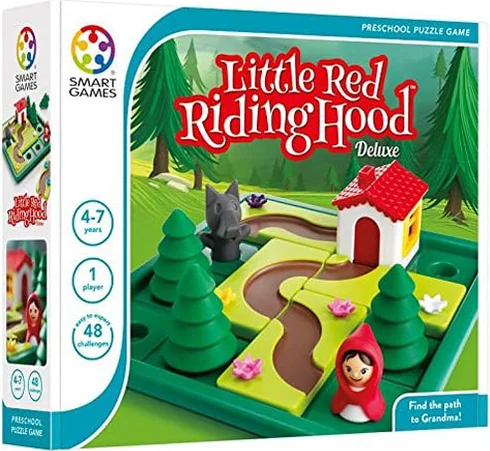
Lay path pieces so that Little Red Riding Hood reaches her grandmother safely: a charming solo logic game with progressively harder challenges.
Everyone rummages through a wild heap of socks at the same time, looking for pairs: searching fun at high speed.
Editors' pick Ages 4+★ 4.2
Guessing taco, kitten or pizza and turning over the card: when a Candy card appears, everyone slaps the middle. A reaction game for children.
Editors' pick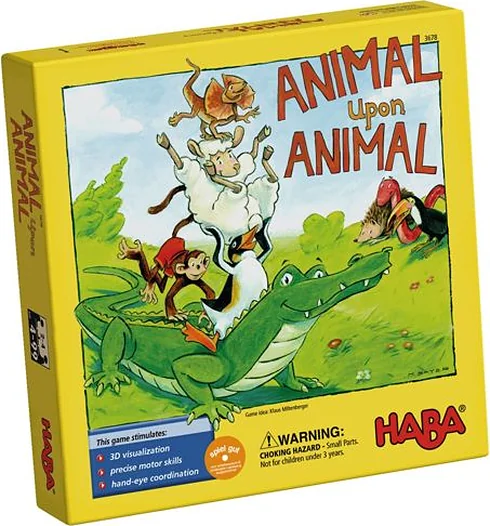 Ages 4+★ 4.2
Crocodile carries sheep carries penguin: the classic stacking game for steady hands and a good eye.
Editors' pick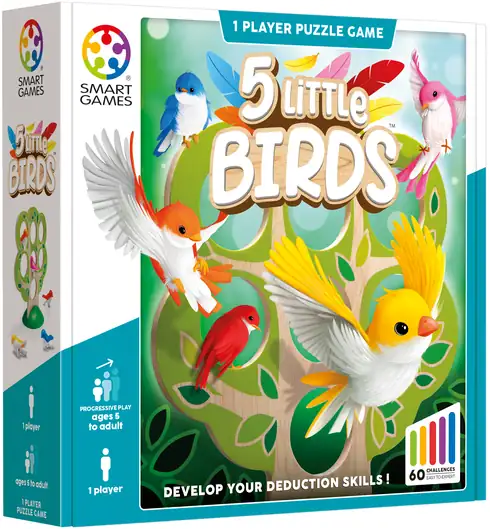 Ages 5+★ 4.0
Clip the birds onto the tree exactly as each challenge specifies: a charming solo logic game with challenges of increasing difficulty.
 Ages 5+★ 3.8
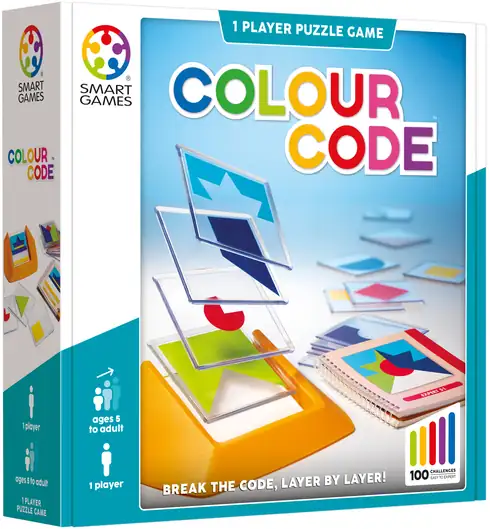
Stack transparent shape cards in the right order until the target picture appears: a solo puzzle in spatial perception.
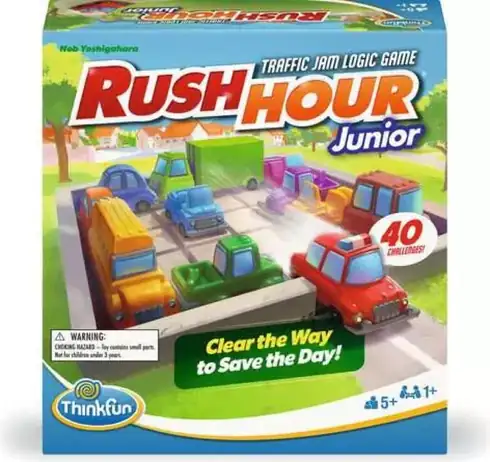 Ages 5+★ 4.0
The ice cream truck is stuck: a sliding puzzle with logic challenges across four levels.
Editors' pick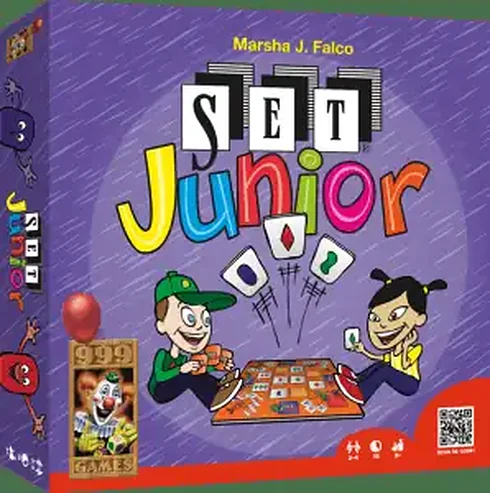 Ages 3+★ 3.7
The beginners' version of the classic perception game: find matching tiles on the board. Pattern recognition from age 3.
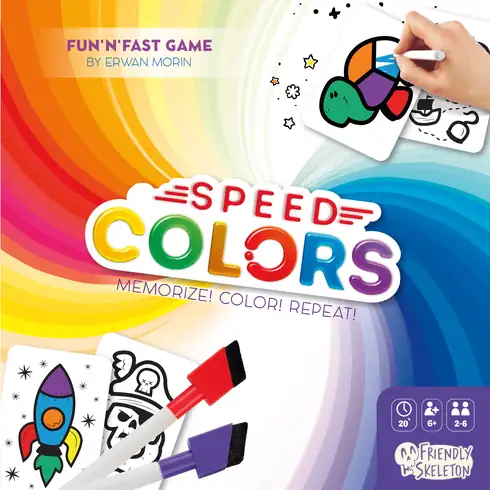 Ages 6+★ 4.2
Memorize a picture, then color it in correctly from memory as fast as possible: memory, speed and fine motor skills combined.
 Ages 5+★ 3.6
The children's version: remember tiles, collect goods and build your very first hut. Memory and planning for children as young as five.
 Ages 6+★ 3.9
Turn over cards and slap lightning-fast when the right picture appears: a boisterous reaction and card game for the whole family.
Editors' pick Ages 6+★ 4.2
Work together to block the escape routes of Bandido: a cooperative tile-laying game from Switzerland.
Editors' pick Ages 6+★ 3.7
Use the magnetic wand to fish out only your own bells: a delicate touch meets a careful weighing of risks.
Editors' pick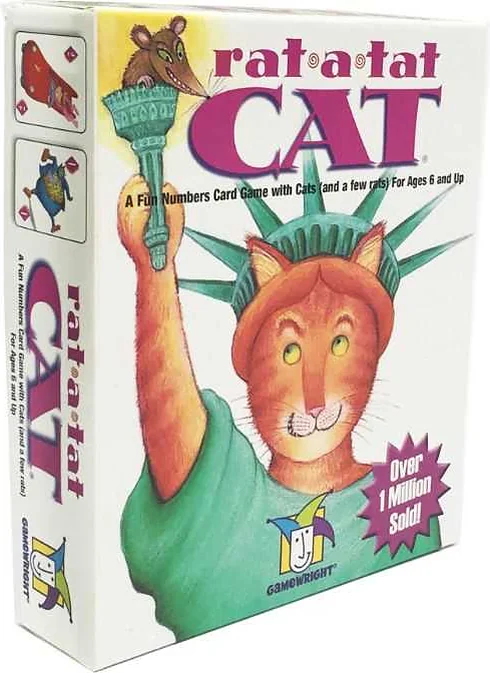 Ages 6+★ 3.9
Keep your face-down cards low: whoever forgets which card is where swaps their way to ruin.
Editors' pick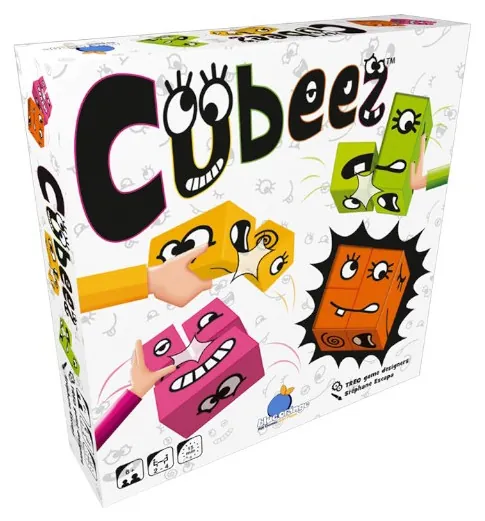 Ages 6+★ 4.0
Turn your cubes in a flash until they show exactly the pattern on the card: a fast-paced game of perception and reaction.
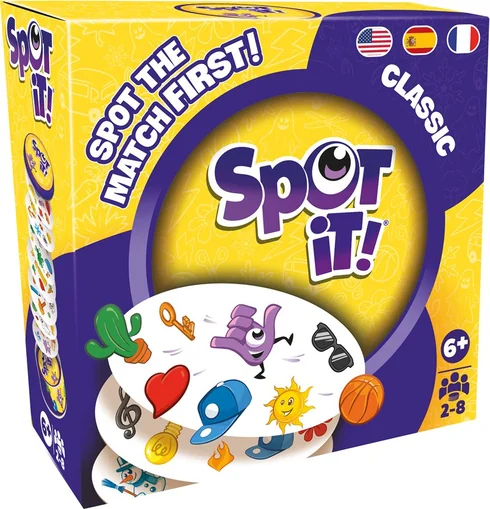 Ages 6+★ 4.0
Any two cards share exactly one symbol: whoever spots and names it first wins the card. Lightning-fast perception in a pocket-sized game.
 Ages 6+★ 4.0
Move colored balls between test tubes until they match the formula, without touching them. Pace meets a delicate touch.
Editors' pick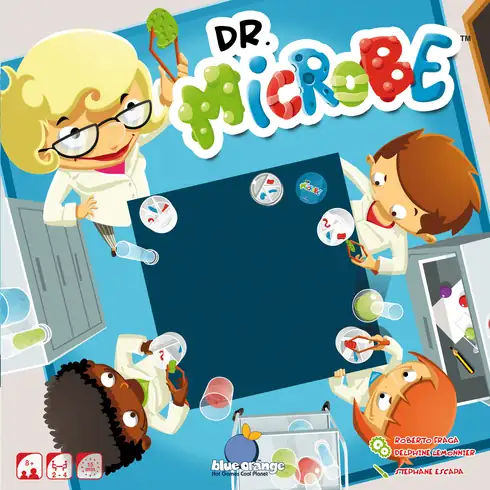 Ages 8+★ 3.7
Place microbes with tweezers at speed and work out what the challenge card does not show: logic, dexterity, a sharp eye and speed in one.
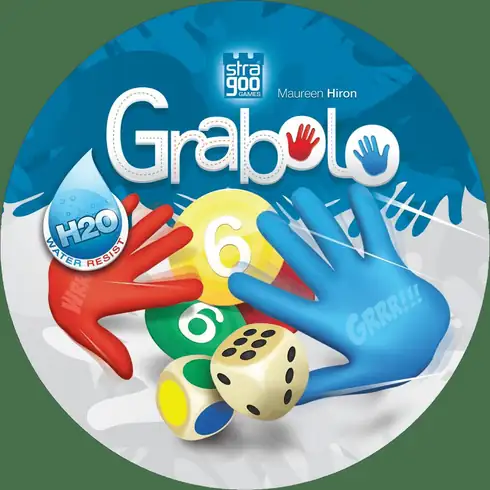 Ages 6+★ 3.9
Roll the dice, then race to grab the card in the color and number shown: a fast-paced perception and reaction game.
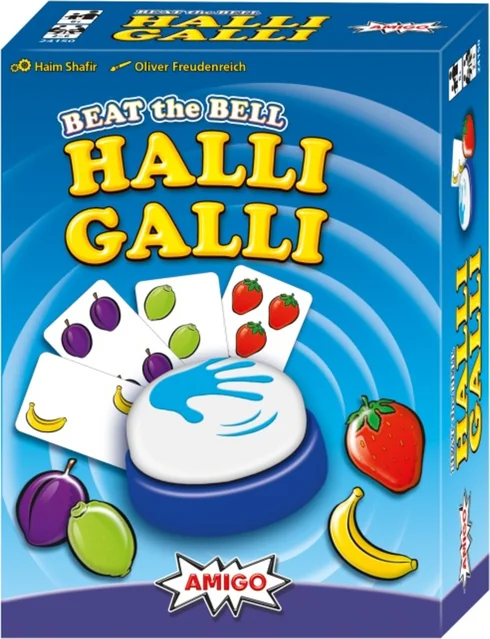 Ages 6+★ 4.2
Exactly five of the same fruit? Ring the bell! The reaction classic par excellence, and secret practice in grasping quantities.
Editors' pick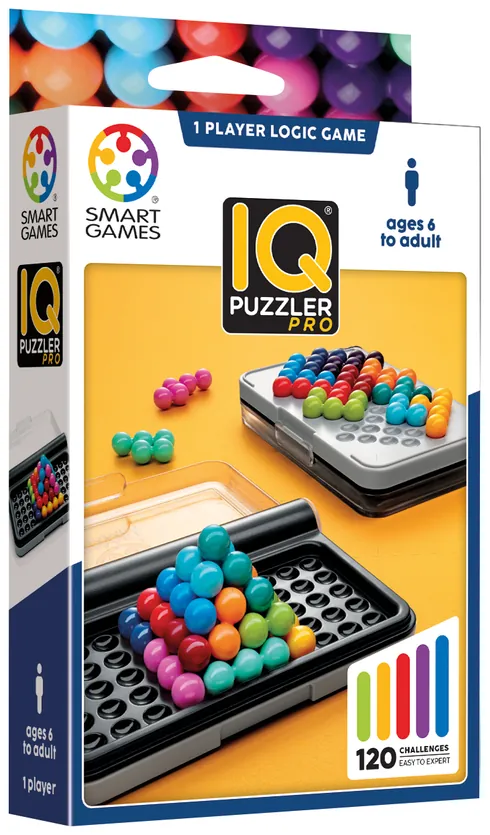 Ages 6+★ 3.8
The versatile travel-sized puzzle for on the go: challenges in 2D and 3D.
Editors' pick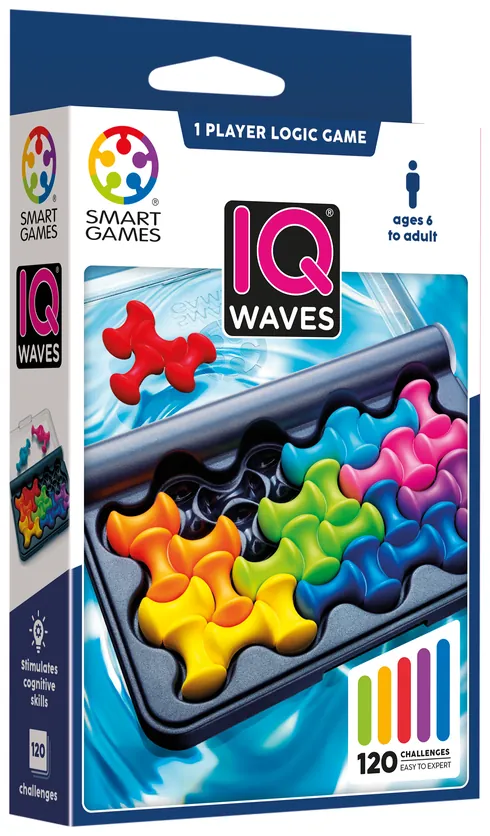 Ages 6+★ 4.0
Fit all the wave-shaped pieces onto the travel board without leaving gaps: a compact solo puzzle game.
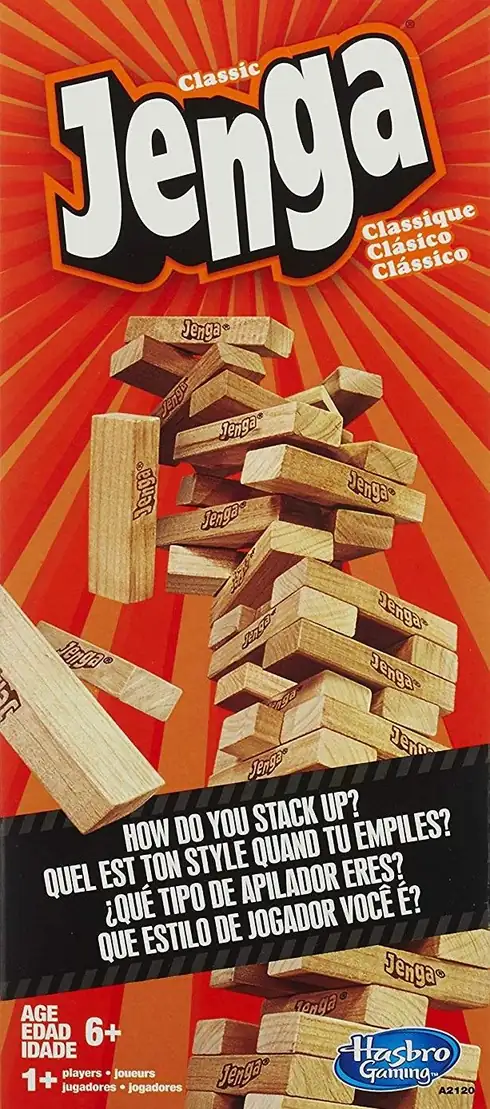 Ages 6+★ 4.3
Pull blocks out of the wobbly tower and place them on top until it topples: pure suspense and fine motor skills.
 Ages 6+★ 4.2
Say “lettuce” when there is a pepper on the pile: a Stroop test turned party game, and wonderfully tricky.
Editors' pick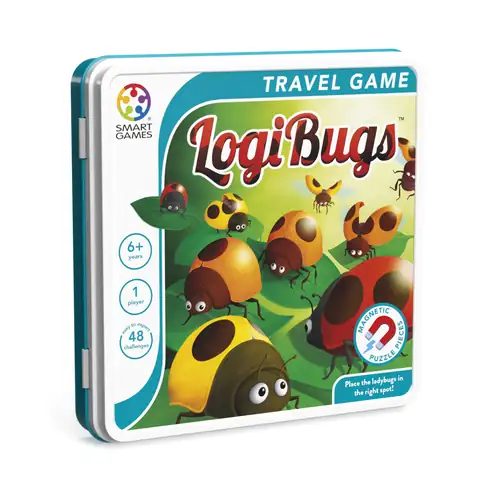 Ages 6+★ 4.0
Use the clues to work out logically where each beetle belongs on the grid: a beginner-friendly solo deduction game.
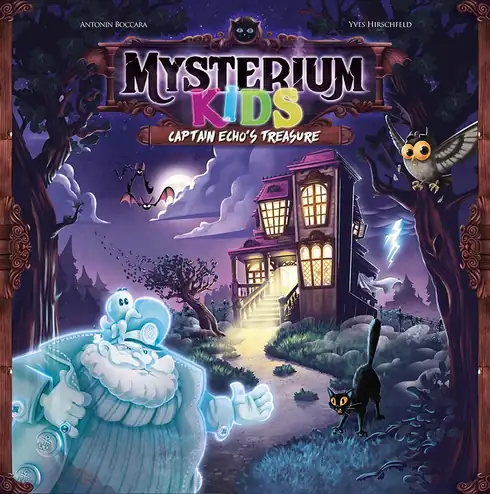 Ages 6+★ 4.3
A ghost gives clues only with sounds on a tambourine, and the team has to work out together what is meant. Cooperative puzzling for children.
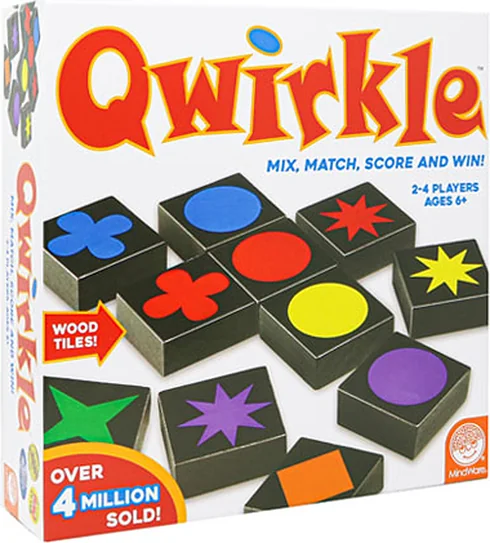 Ages 8+★ 4.0
Place colors and shapes cleverly: Spiel des Jahres 2011 (German game of the year award) and a classic family strategy game.
Editors' pick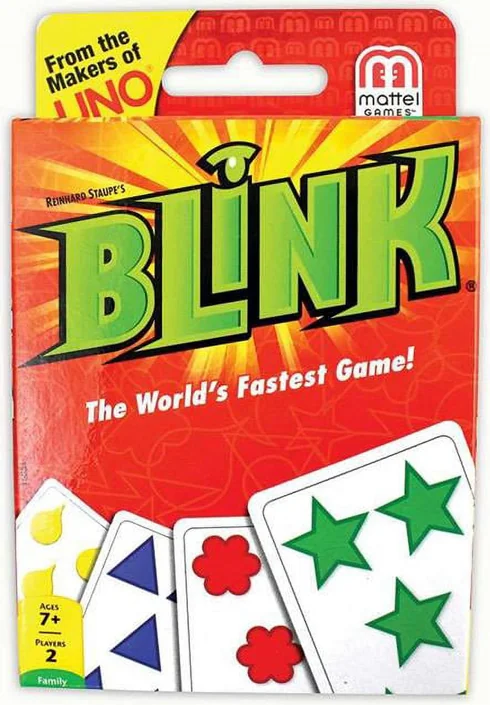 Ages 7+★ 3.9
Both players play at the same time, laying cards on matching piles in a flash: whoever is out of cards first wins. Pure reaction speed.
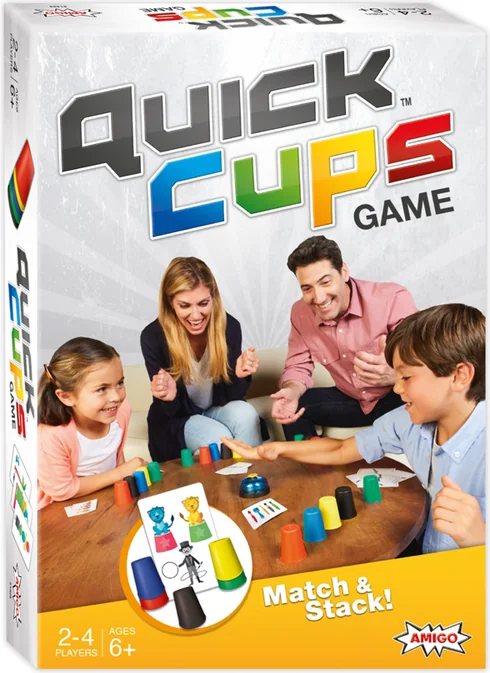 Ages 6+★ 4.0
Stack or line up five cups at lightning speed, as the card shows, then hit the bell!
Editors' pick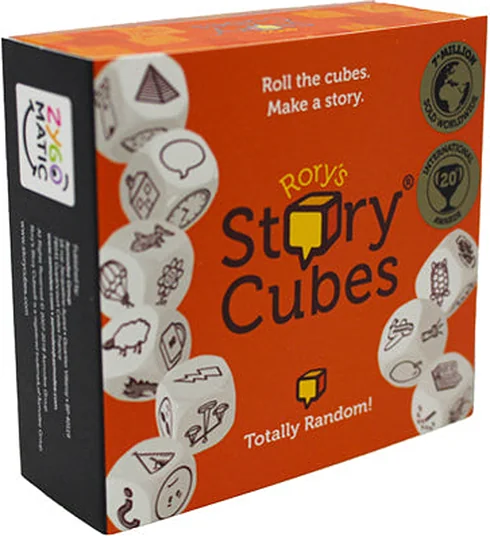 Ages 6+★ 4.4
Nine picture dice, endless stories: a storytelling game with no winners or losers.
Editors' pick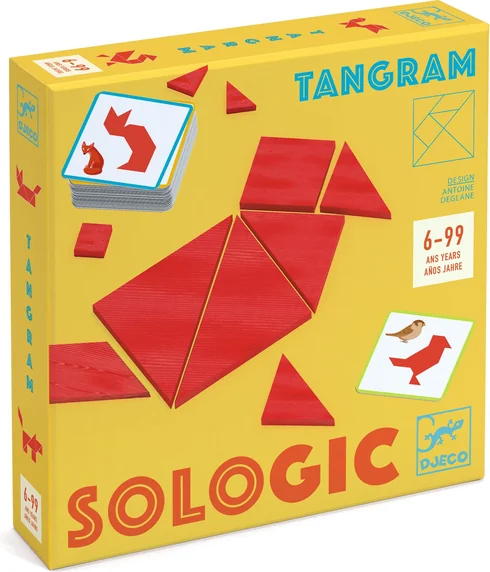 Ages 8+★ 3.9
Arrange seven simple shapes so that they form the given silhouette: the timeless classic among shape puzzles.
Editors' pick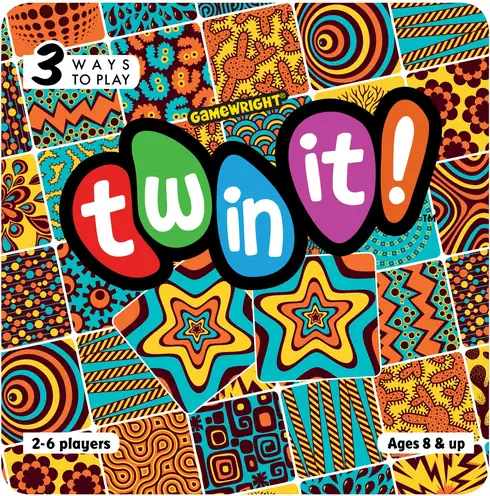 Ages 8+★ 4.3
Spot two identical patterns among many similar ones in a flash and pounce: a fast-paced perception game for sharp eyes.
Editors' pick Ages 7+★ 4.0
Push rows of marbles and gradually force the opponent's marbles off the board: a clear-cut abstract duel for supremacy.
 Ages 7+★ 4.3
Everyone builds their own word grid at the same time: Scrabble without a board, but with speed instead.
Editors' pick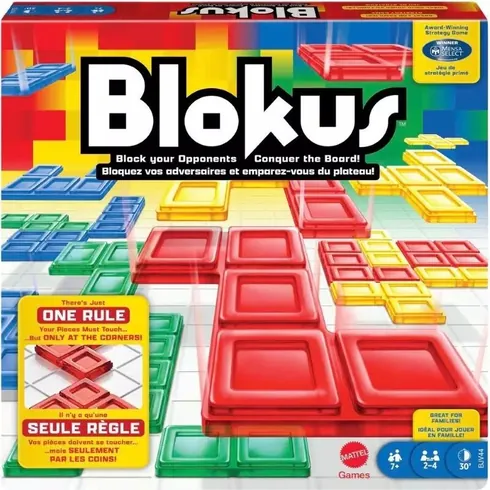 Ages 7+★ 4.3
Get all your pieces onto the board, with each new one touching your own only at a corner. Pure spatial strategy.
Editors' pick Ages 9+★ 4.2
Combine dice cleverly and advance on up to three routes, but whoever keeps rolling too greedily loses the whole turn. A classic of weighing risks.
Editors' pick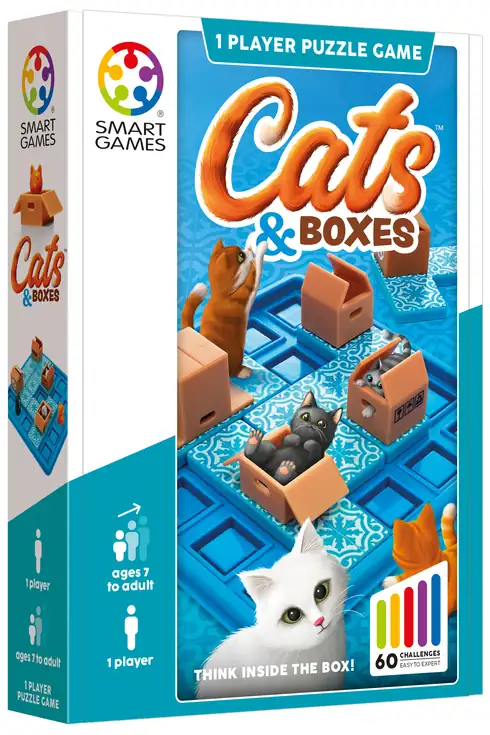 Ages 7+★ 3.8
Move the boxes so that in the end every cat is sitting in a box: a cute solo game of spatial logic.
 Ages 7+★ 4.1
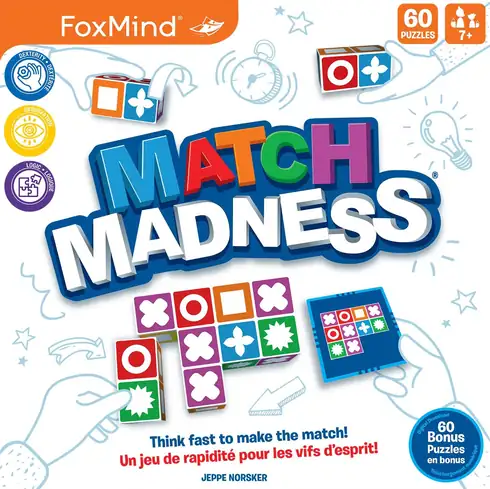
Race to arrange your own blocks so that they match the pattern card exactly: a fast game of spatial perception.
 Ages 7+★ 3.8
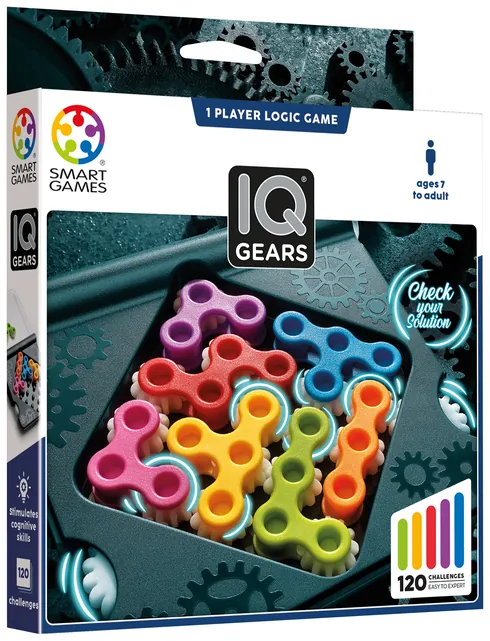
Fit the interlocking gear pieces onto the travel board without leaving gaps: a compact solo puzzle game with challenges that get harder.
 Ages 7+★ 3.8
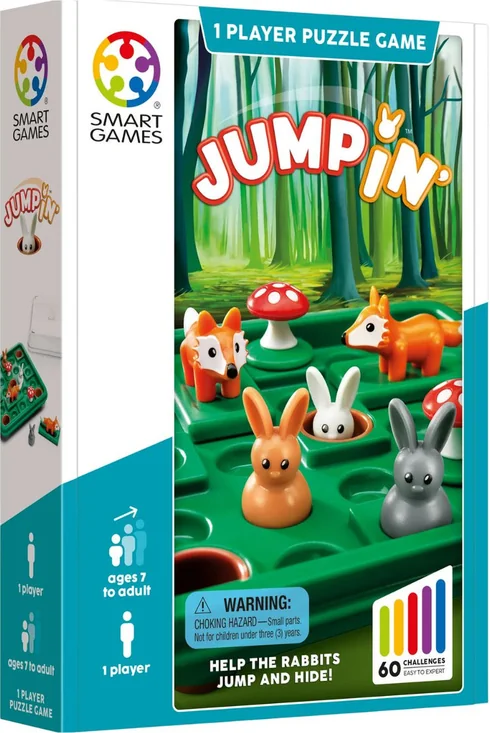
Help the rabbits jump cleverly over foxes and mushrooms into the free holes: a bouncy solo logic game.
 Ages 7+★ 4.2
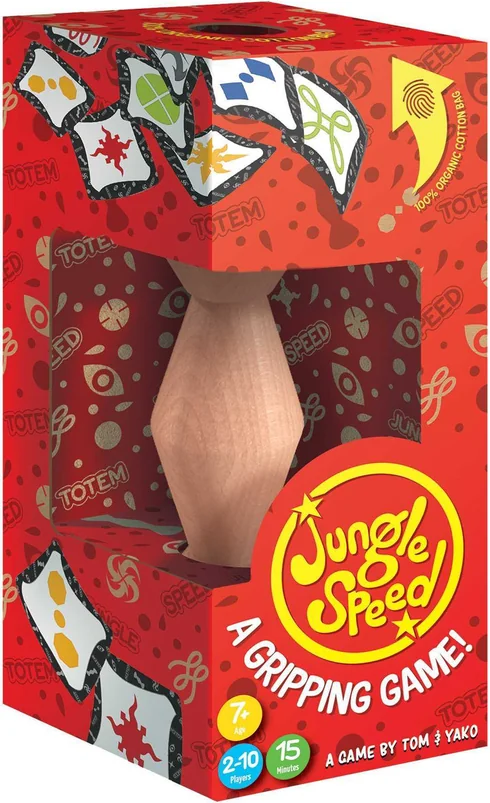
Matching symbols? Grab the totem in a flash, but the symbols are fiendishly similar.
Editors' pick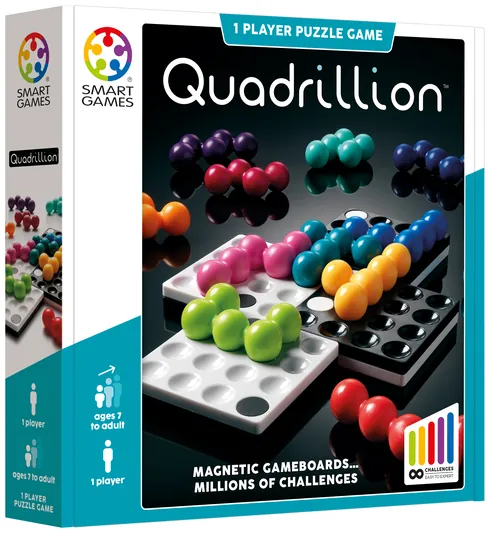 Ages 7+★ 4.0
Arranging magnetic boards freely and then fitting in every piece without gaps: a spatial solo puzzle with almost endless variations.
 Ages 7+★ 3.9
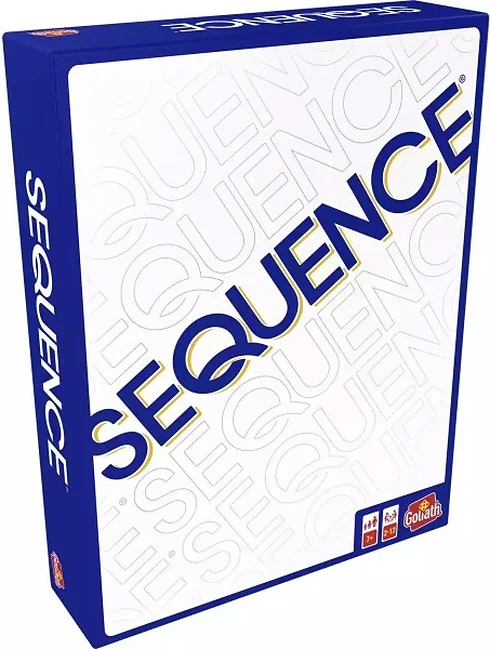
Use the cards in your hand to claim matching spaces on the board and get five tokens in a row: a card game and a board game in one.
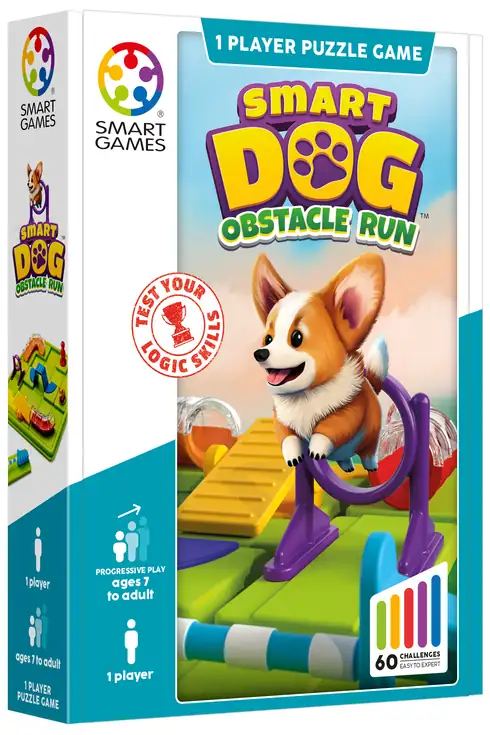 Ages 7+★ 4.0
Place obstacles so that the dog finds a course all the way to its trainer: a cute solo logic game with lots of challenges.
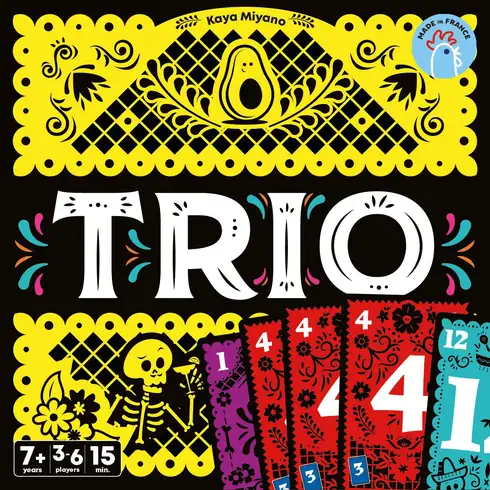 Ages 7+★ 4.0
Revealing hidden numbers and collecting three of a kind: whoever keeps track and guesses boldly wins. A simple, punchy game idea.
Editors' pick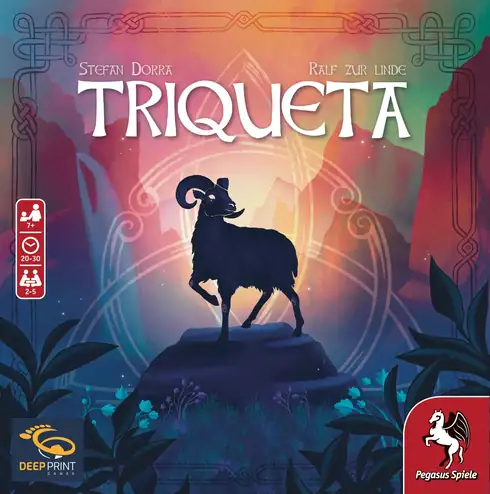 Ages 7+★ 3.8
Boldly collect sets of three tiles and secure them at the right moment: an accessible push-your-luck tile-laying game for the whole family.
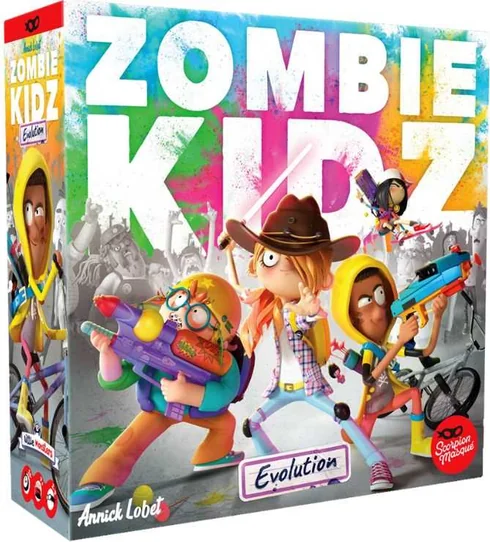 Ages 7+★ 4.0
Lock the school gates as a team and chase away zombies before they overrun the school: a beginner-friendly cooperative adventure for children.
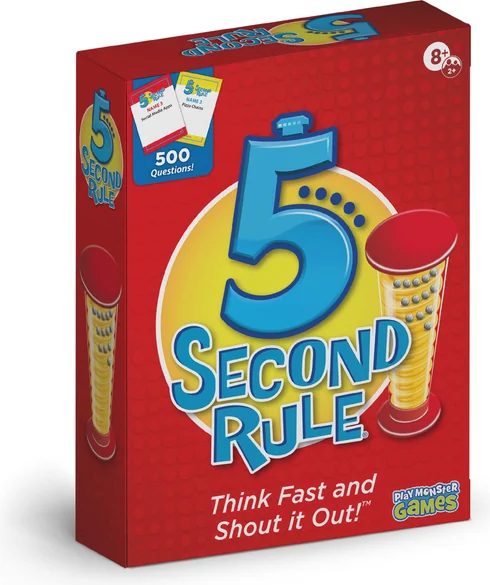 Ages 8+★ 3.8
Give three answers in just five seconds while the marble run ticks away: under pressure, even simple things become delightfully hard.
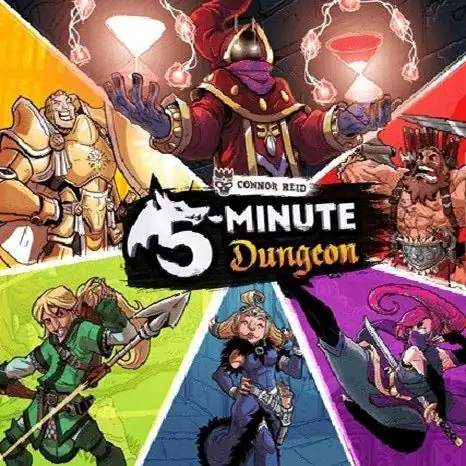 Ages 8+★ 4.1
Defeat monsters together in real time before the five minutes are up: hectic, noisy cooperative card chaos.
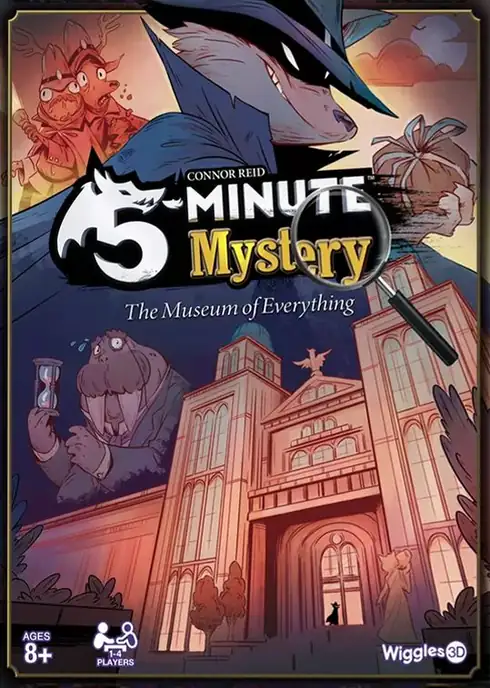 Ages 8+★ 3.8
Narrow down the culprit together using symbols, usually in just five minutes: a hectic cooperative real-time deduction game.
 Ages 8+★ 4.2
Drafting beautiful tiles cleverly and filling rows without picking up costly waste: an elegant tile-laying game with plenty of planning ahead.
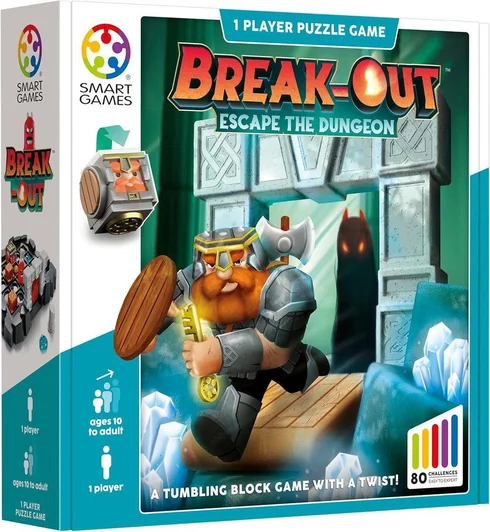 Ages 10+★ 4.0
Tip a cube-shaped dwarf square by square through the dungeon, grab the key and escape through the gate: a tricky solo logic game.
 Ages 8+★ 3.8
Keep your face-down cards as low as possible, swap cleverly and call “Cabo” at the right moment: memory meets bluffing.
Editors' pick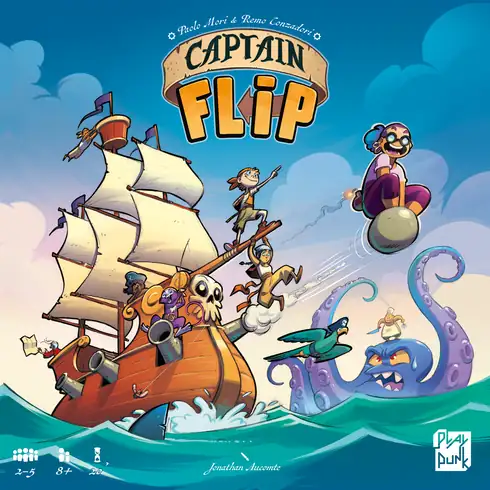 Ages 8+★ 4.3
Draw a tile and decide: keep the visible character or flip it and hope for the other side? A light push-your-luck game with pirate charm.
 Ages 8+★ 3.8
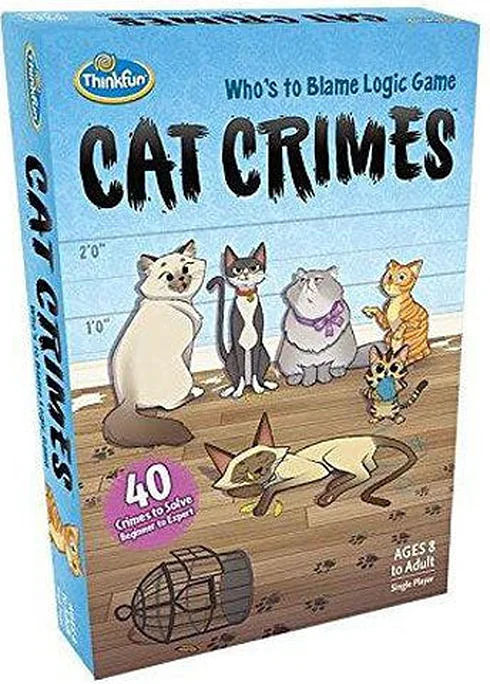
Use clues to work out logically which cat caused the damage: a tricky solo deduction game.
 Ages 8+★ 4.2
Push deeper into the mine or get out with the loot in time? A shared risk in which greed is often punished.
 Ages 8+★ 4.3
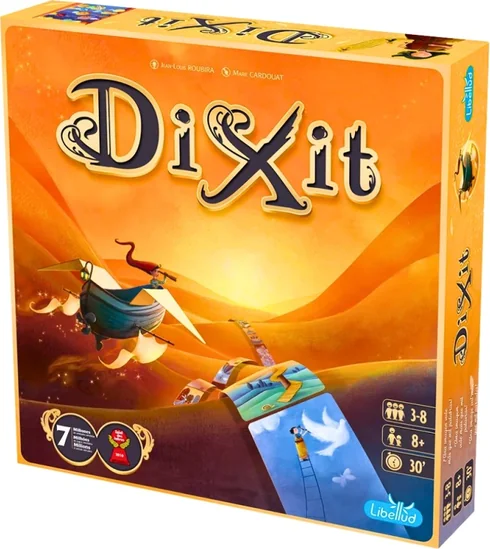
Dreamlike pictures, subtle clues: the game that calls for a feel for language and empathy at the same time.
Editors' pick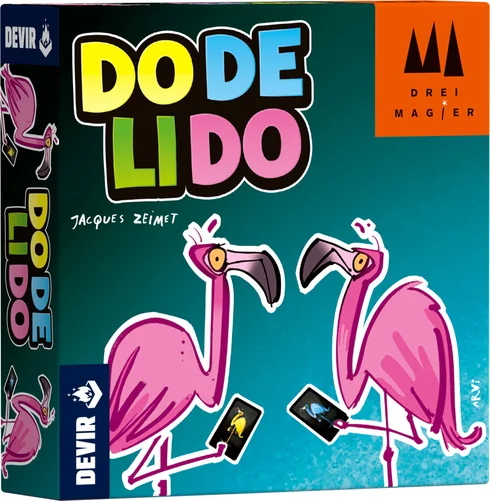 Ages 8+★ 3.9
Call out in a flash what appears most often: color? Animal? Or is it “Dodelido” after all? Sounds easy. It is not.
Editors' pick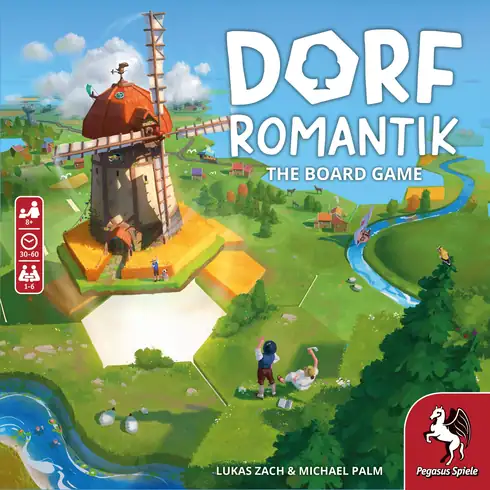 Ages 8+★ 4.2
Lay tiles side by side and let an ever more beautiful landscape grow: a calm, cooperative and absorbing building game.
 Ages 8+★ 3.5
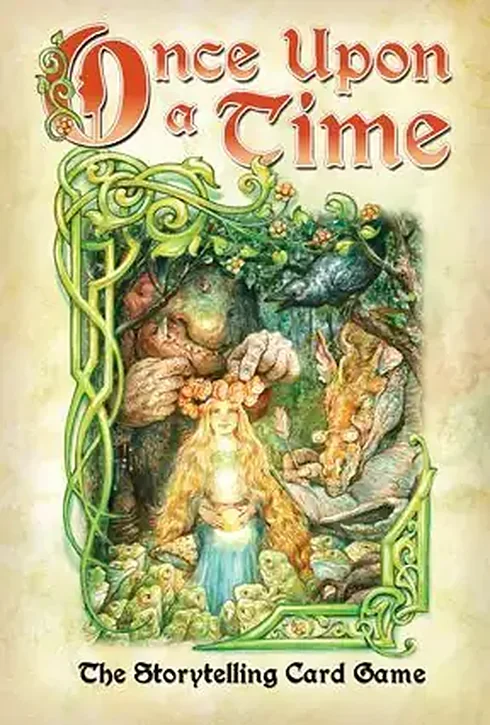
Build the track so that every marble lands in exactly the right base: a clever solo logic game with a touch of gravity.
 Ages 8+★ 3.9
Invent a fairy tale together and use story and ending cards to steer it cleverly to your own ending: an imaginative storytelling game.
Editors' pick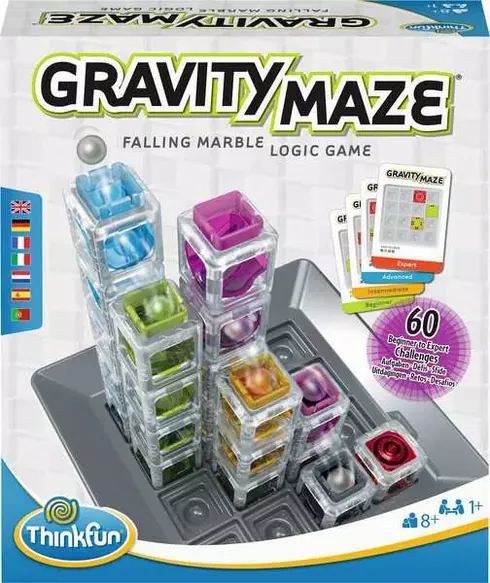 Ages 8+★ 3.8
Build towers so that the ball drops from the start into the target: a 3D brain-teaser with a marble-run reward.
Editors' pick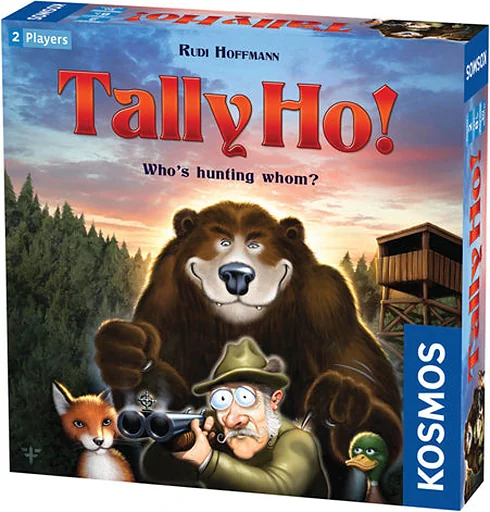 Ages 8+★ 3.7
Two players hunt the forest animals with skill and reveal face-down cards cleverly: a fine duel for the best catch, quick to explain.
 Ages 8+★ 3.9
Everyone can see your cards except you: a cooperative fireworks display for the memory.
Editors' pick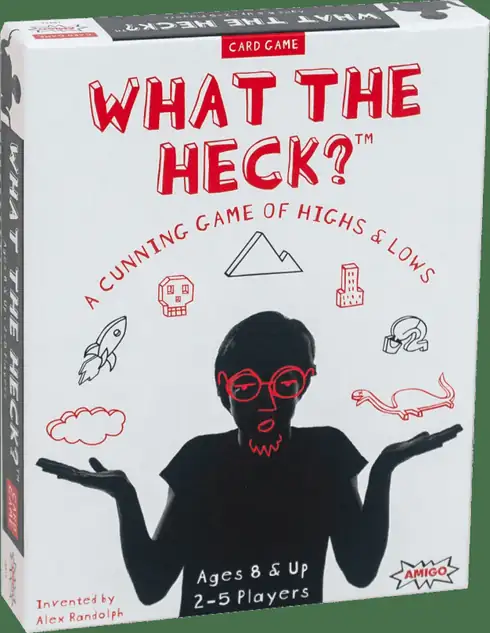 Ages 8+★ 4.0
Everyone picks a number card at once: the highest wins the meerkat, the lowest gets the vulture, and identical cards cancel out. Clever second-guessing.
 Ages 8+★ 3.8
Overlap cards like pieces of a map and develop Japan's provinces cleverly: a quick game of trick-taking and building.
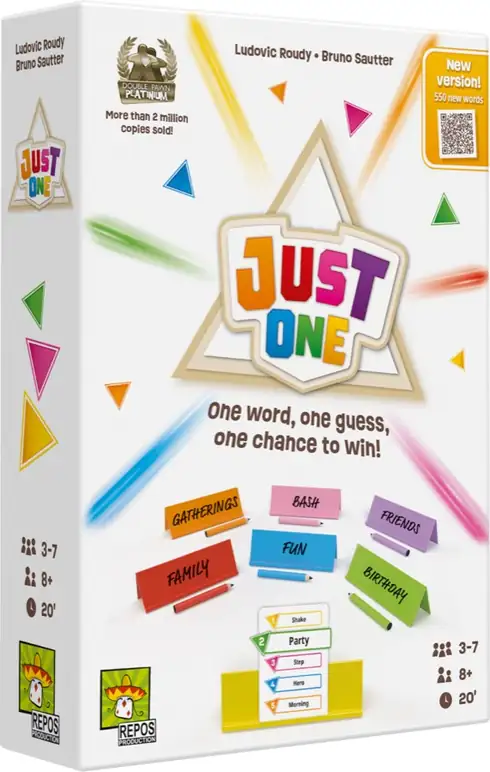 Ages 8+★ 4.1
Everyone writes a clue, and duplicates are crossed out: the most warm-hearted word game of recent years.
Editors' pick Ages 8+★ 4.3
Everyone lays the same path tiles at the same time and guides their adventurers to the temples: a tricky race on a jungle island.
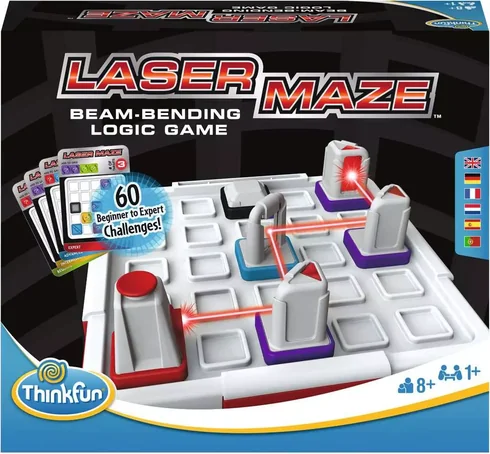 Ages 8+★ 4.0
Place mirrors and targets so that the laser beam hits the target exactly: a glowing solo logic game with a real aha moment.
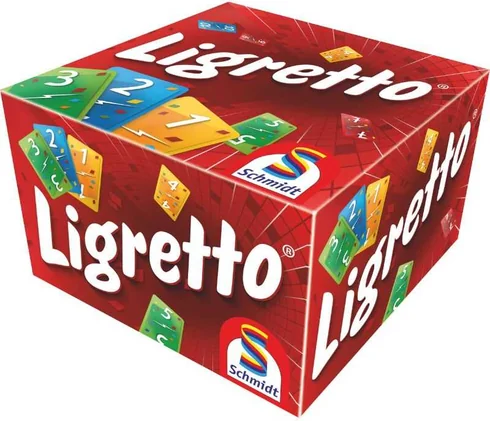 Ages 8+★ 4.2
Everyone plays at the same time, laying cards in the middle at lightning speed: it takes speed, an overview of the table and nimble hands.
Editors' pick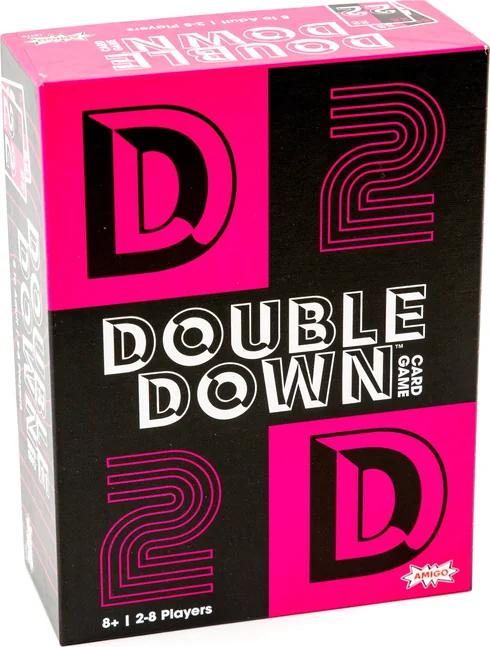 Ages 8+★ 3.7
Play cards and count aloud: whoever reaches 99 or more, or hits a number with two identical digits, loses a chip.
Editors' pick Ages 5+★ 4.2
Guide figures through the maze together, each person only in their own directions: a cooperative game without fixed turns in which talking is allowed.
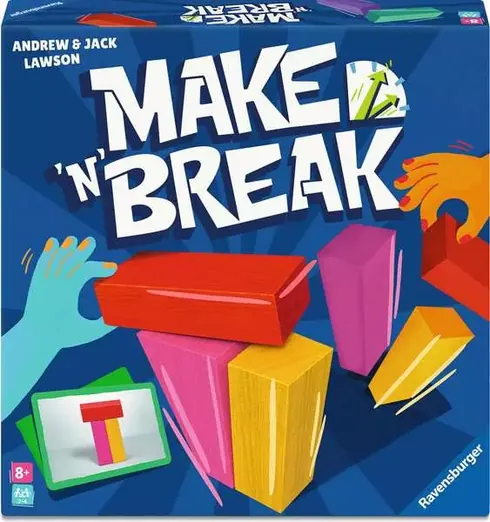 Ages 8+★ 3.9
In a race, stack building blocks exactly as the template shows: speed, steady hands and spatial visualization in one game.
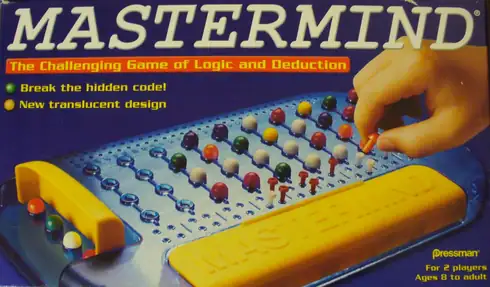 Ages 8+★ 4.0
Crack the secret color code: deduction in its purest form, the classic logic game for two.
Editors' pick Ages 8+★ 4.2
A memory game (matching pairs) for advanced players: only cards that match may be turned over, and anyone who slips up is out.
Editors' pick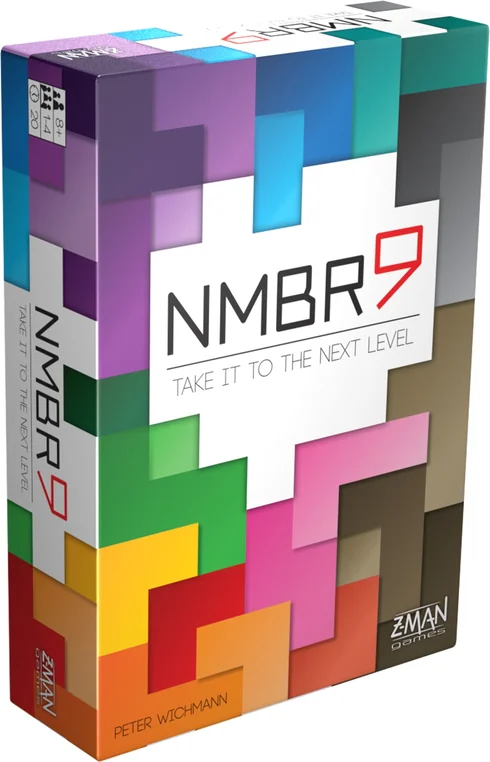 Ages 8+★ 4.0
Stack number tiles: the higher you build, the more you score. A clever spatial tile-laying game with no board, just brainpower.
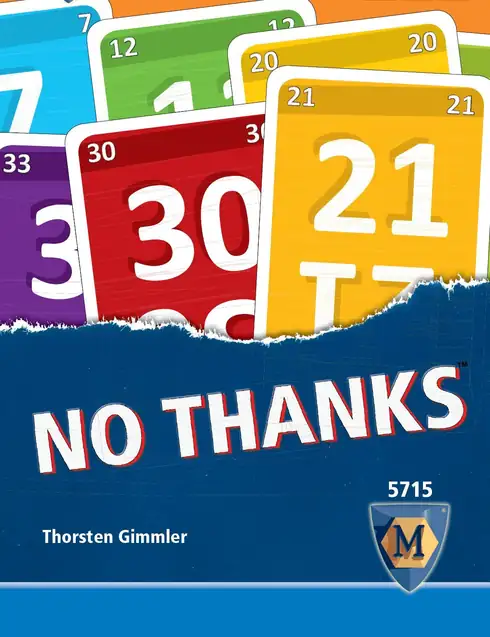 Ages 8+★ 4.2
Take the card or pass it on with a token? Keep your score as low as possible: a minimalist push-your-luck game with surprising depth.
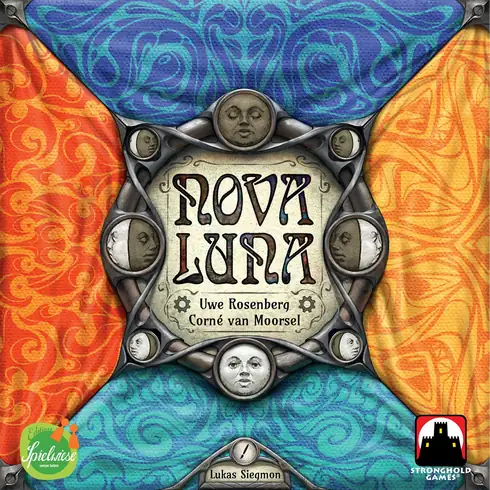 Ages 8+★ 3.9
Choose tiles and complete tasks based on color patterns while the moon decides the turn order: calm, tricky optimizing.
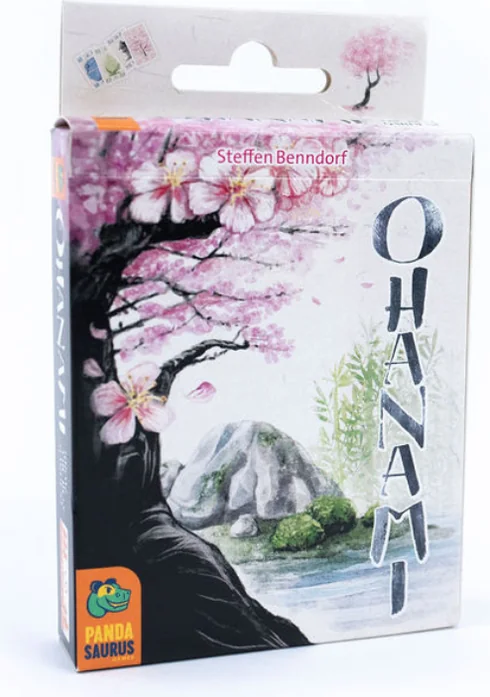 Ages 8+★ 4.2
Choose cards, lay them out in three rows and let gardens in bloom score points: elegantly simple, with subtle timing.
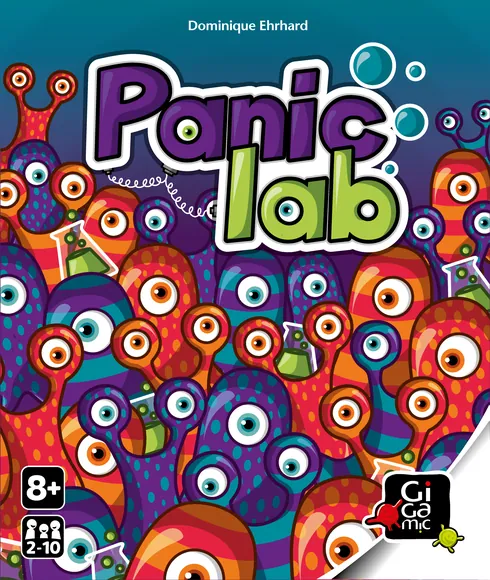 Ages 8+★ 4.0
Amoebas on the run: the dice show which one is wanted, but the way there follows devious rules.
Editors' pick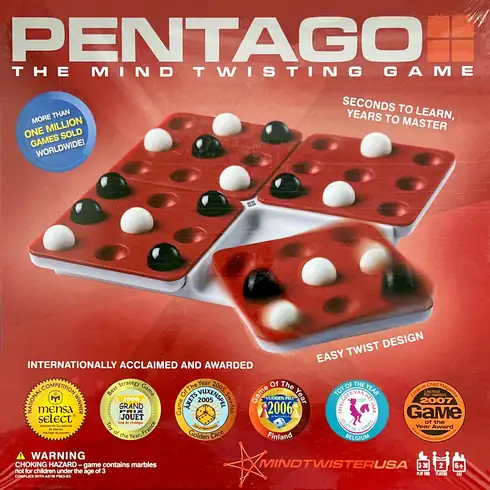 Ages 8+★ 4.3
Get five marbles in a row, but after every marble a quarter of the board turns. Strategy that keeps you rethinking.
Editors' pick Ages 8+★ 4.3
Recreate a photo with strings, stones or sticks for others to guess: a creative, warm puzzle party game. Spiel des Jahres 2020 (German game of the year award).
 Ages 14+★ 4.2
Reveal ships and secure your winnings before you push your luck too far: an exciting push-your-luck card game in a pirate harbor.
Editors' pick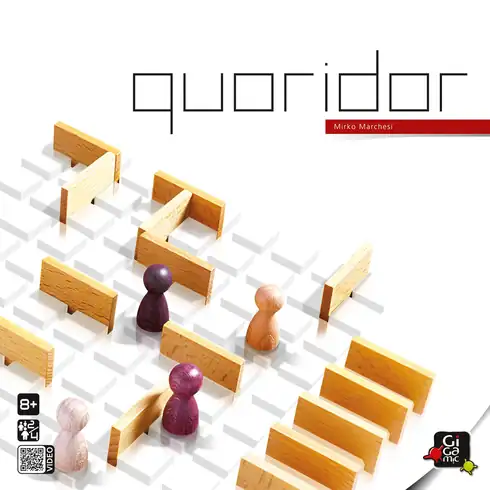 Ages 8+★ 4.2
Get your pawn to the opposite side while slowing your opponent down with walls: elegant logic on a maze board.
Editors' pick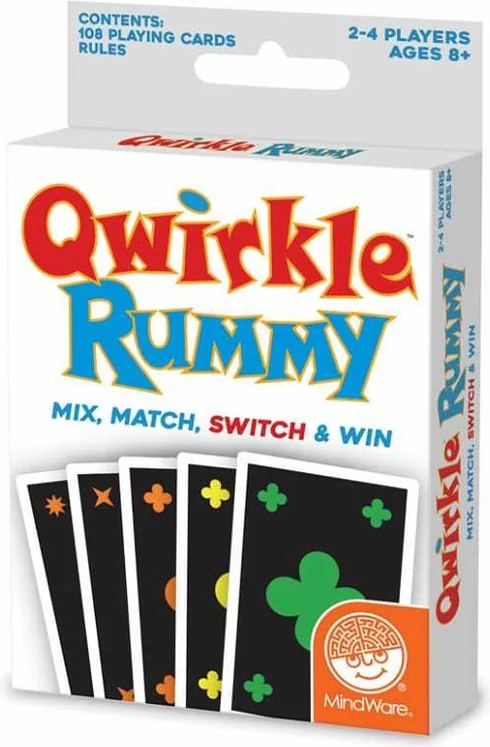 Ages 8+★ 3.8
The card version of the classic: add colors and shapes cleverly and extend rows. A compact pattern-building game for playing on the go.
 Ages 8+★ 4.3
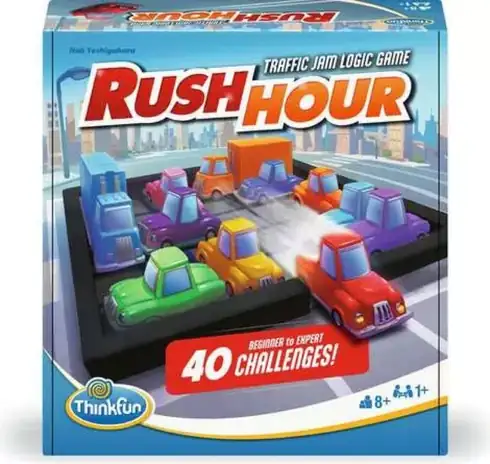
The red car has to get out of the traffic jam: the benchmark against which all logic games are measured.
Editors' pick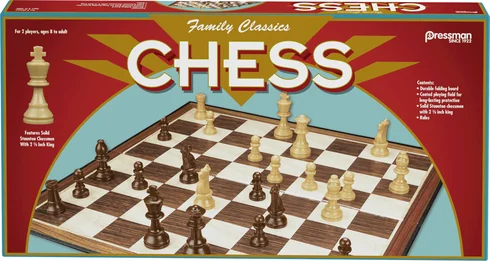 Ages 8+★ 3.5
The timeless strategy classic: move pieces that each have their own way of moving and checkmate the opposing king. Pure thinking ahead for two.
 Ages 6+★ 4.1
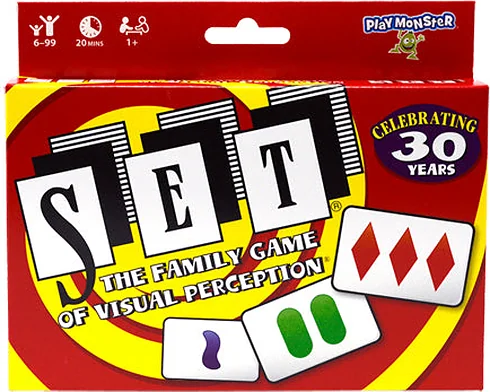
Four features, one glance: whoever spots a valid set first may take it. Concentration in its purest form.
Editors' pick Ages 8+★ 3.8
Predict your tricks exactly and fight with pirate trumps: a lively trick-taking game with plenty of gloating.
 Ages 8+★ 3.7
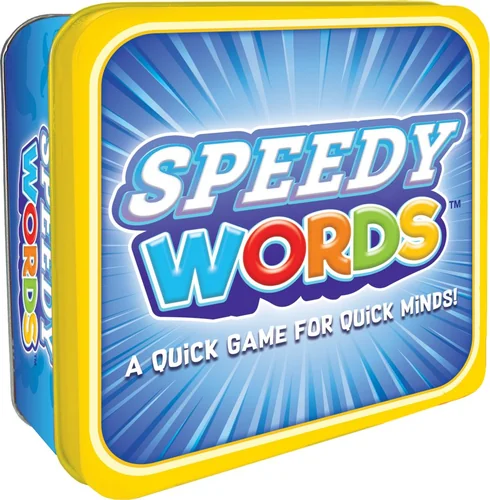
The classic word game with categories as a fast card game: find words for a letter and a category in a flash, vocabulary under time pressure.
 Ages 8+★ 4.0
Take turns flipping cards and saying the words in sequence; when picture and word match, everyone slaps as fast as they can. Delightfully silly reaction chaos.
 Ages 14+★ 3.8
One blueprint, three roles: one sees it but may only gesture, another reads the gestures, a third builds blind. Only together does the structure take shape.
 Ages 8+★ 3.9
Passing presents on face down and remembering what is where: anyone who fibs may get caught out. A mean little memory and bluffing game.
 Ages 8+★ 3.9
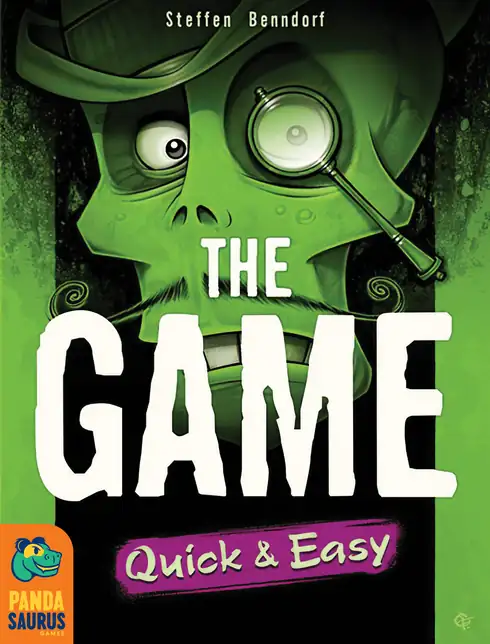
Together against the deck: play all the cards in ascending or descending order. Talking is allowed, but giving away numbers is not.
Editors' pick Ages 8+★ 4.0
Play cards in ascending order without saying a word: the team has to develop a silent feel for one another. Fascinatingly unusual.
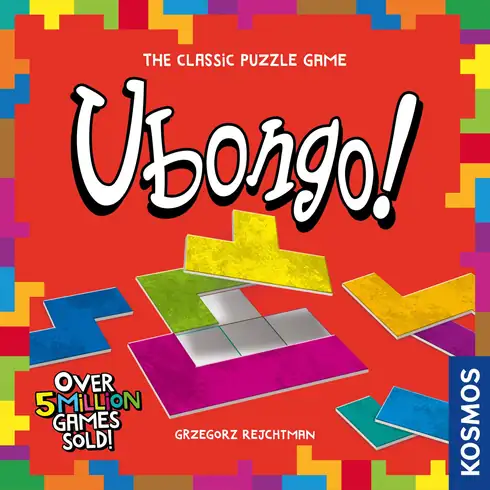 Ages 8+★ 4.3
Race to fit colored pieces exactly into your own puzzle board and call “Ubongo!”: fast-paced spatial puzzling.
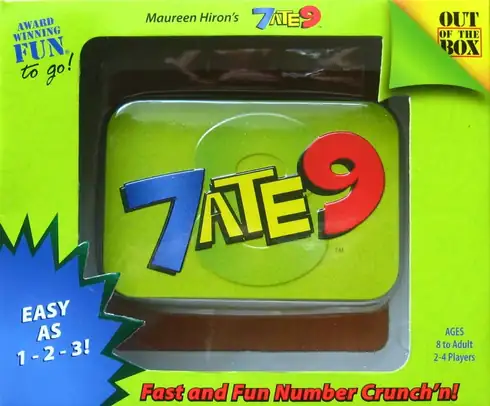 Ages 8+★ 3.7
Everyone plays at once: the next card must be the top card's value plus or minus its number. Quick mental math under time pressure.
Editors' pick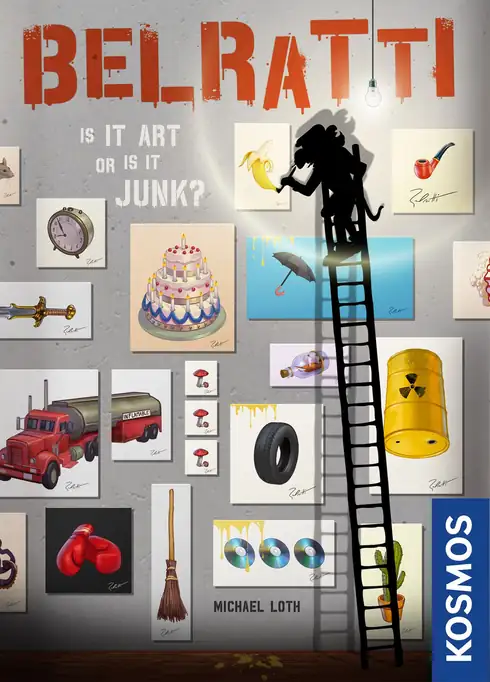 Ages 8+★ 4.0
The painters supply matching pictures, and the museum management has to spot the forgeries Belratti has slipped in: a charming cooperative association game.
Editors' pick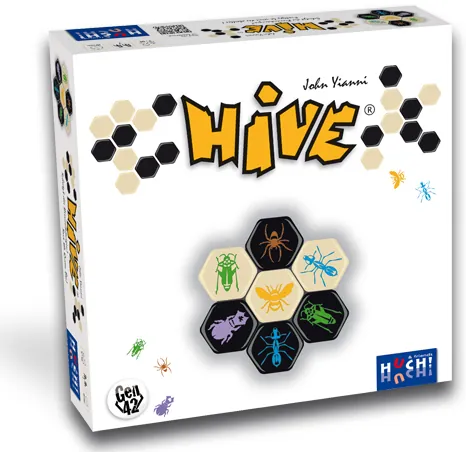 Ages 9+★ 4.0
A kind of chess without a board: placing beetles, ants and other insects so that the opposing bee is completely surrounded. Deep tactics with few pieces.
 Ages 8+★ 4.0
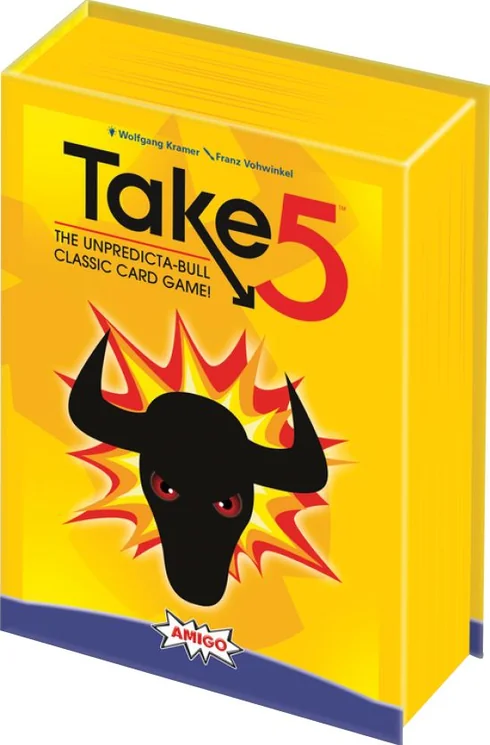
Whoever lays the sixth card collects the row: number logic, a feel for risk and delightful gloating.
Editors' pick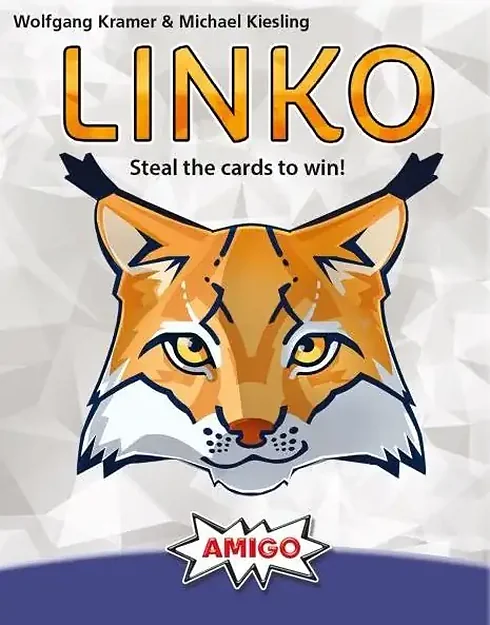 Ages 10+★ 4.0
Play cards and snatch the same number of lower cards from the other players: a mean, fast card-shedding game by Kramer and Kiesling.
 Ages 10+★ 4.0
For two: use each card to harvest, make beer or bread, or upgrade, and build up the better economy. A clever, tight head-to-head card game.
 Ages 10+★ 4.0
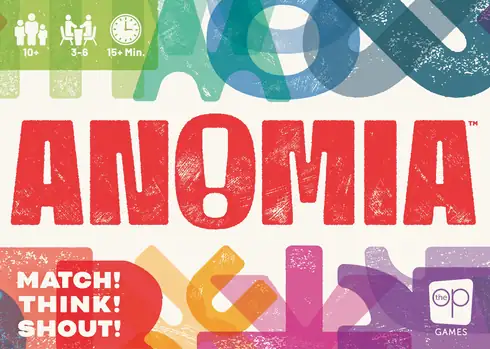
When two symbols match, shout out an example for the other player's category at lightning speed and win their card: a fast-paced word-finding game for groups.
 Ages 14+★ 4.0
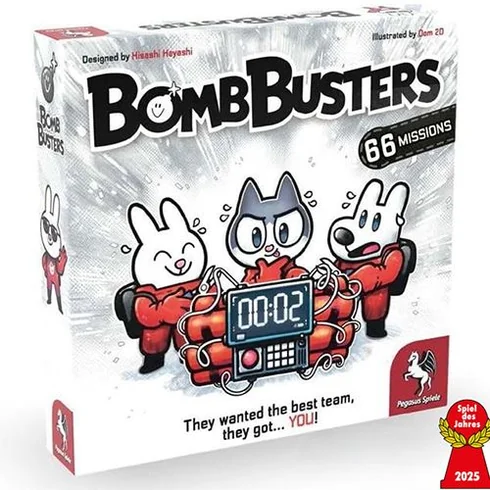
Defuse a bomb as a team: deduce the values of hidden wires from scant clues and cut them. Spiel des Jahres 2025 (German game of the year award).
Editors' pick Ages 10+★ 3.8
Choosing tiles and building up a Roman estate of your own piece by piece to fulfill objective cards: a compact optimization game by Stefan Feld.
 Ages 10+★ 3.8
Programming moves in advance, then looting, brawling and shooting on a moving train: a chaotic train robbery with plenty of gloating.
 Ages 10+★ 3.9
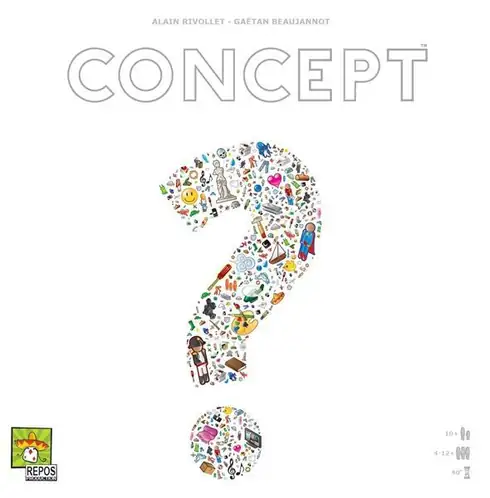
Explain terms using only symbols on the board: no words at all, but plenty of deductive skill as a team.
 Ages 10+★ 4.0
A trick-taking game for two with clever special cards, but anyone who greedily takes too many tricks ends up empty-handed. A fine tactical duel.
 Ages 12+★ 4.0
Expand your own taproom, attract guests and cleverly combine cards with dice: an accessible building game with an ever-growing engine.
 Ages 12+★ 3.8
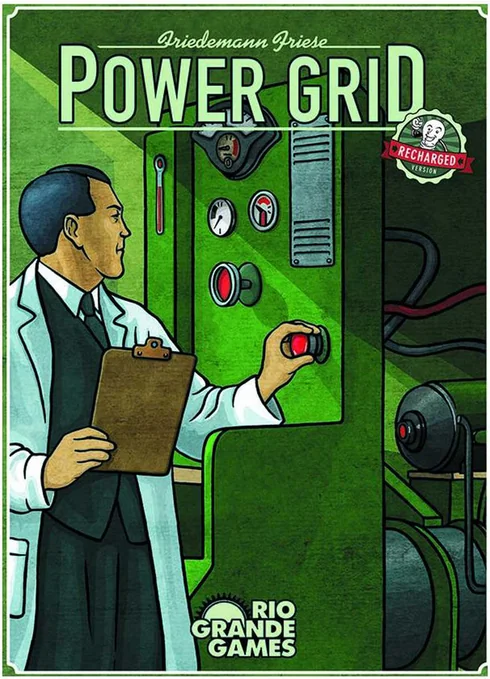
Build a power network, bid for power plants and buy resources cleverly: a demanding economic classic for strategy fans.
 Ages 10+★ 4.0
Two players use a fine feel for cards to win the favor of seven geishas: an elegant, highly tactical duel of bluffing.
 Ages 10+★ 4.0
Place colored pieces, shape landscapes and attract animals with suitable habitats: a cozy building game with a puzzle feel and a calm pace.
 Ages 10+★ 4.1
As master builders in ancient Egypt, ship stones by boat and erect monuments: tactical deliveries with constant rivalry.
Editors' pick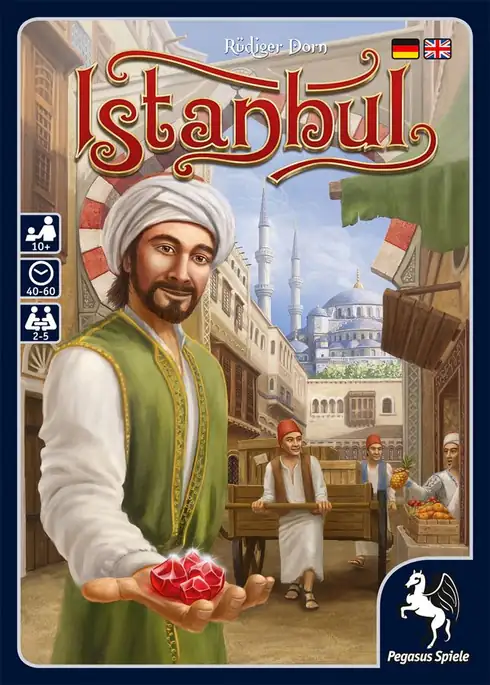 Ages 10+★ 3.8
Lead your train of assistants through the bazaar, trade goods and collect rubies: an optimization game that is quick to get into, with many paths to victory.
 Ages 10+★ 4.0
Two players use cards to build bridges between islands and win majorities: a close, tactical tug of war for supremacy.
 Ages 10+★ 4.0
Move towers across the color grid: the color of the square you land on decides which tower your opponent has to move next. Elegant abstract logic for two.
 Ages 10+★ 4.0
Two players launch expeditions and lay cards in ascending order, but every expedition started must first earn back its cost of 20 points. A thrilling duel.
Editors' pick Ages 10+★ 3.8
Solve criminal cases step by step on a huge seek-and-find city map: close observation and deduction as a team of investigators.
 Ages 10+★ 3.8
Build a city with Tetris-style pieces over several games while it changes for good: an accessible legacy game for the family.
 Ages 10+★ 3.8
Survive the Stone Age together as a clan: manage cards, overcome dangers, build tools. A demanding cooperative adventure.
 Ages 8+★ 3.9
Together against four spreading diseases: find the cures before the world tips over. Cooperative strategy with real thrills.
 Ages 10+★ 3.9
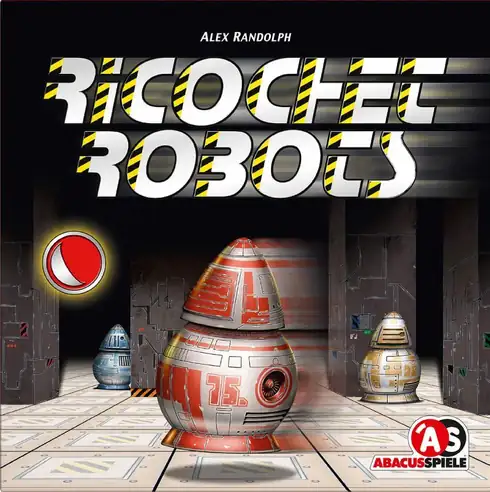
Get robots to the target in as few moves as possible: they slide until they hit an obstacle. Puzzle-solving for everyone at once.
Editors' pick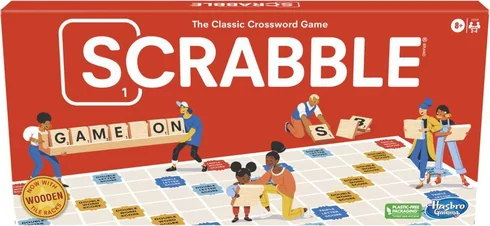 Ages 8+★ 3.8
Forming words from letters and making clever use of the bonus squares: the vocabulary classic that can also train spelling and tactics along the way.
 Ages 10+★ 4.2
Lay a rose or a skull face down and bid how many discs you can turn over blind: a pure battle of bluff and nerves.
 Ages 10+★ 4.0
Land a plane as a pair: place dice in silence on the right cockpit spaces and work together perfectly. An intense cooperative duel of concentration.
Editors' pick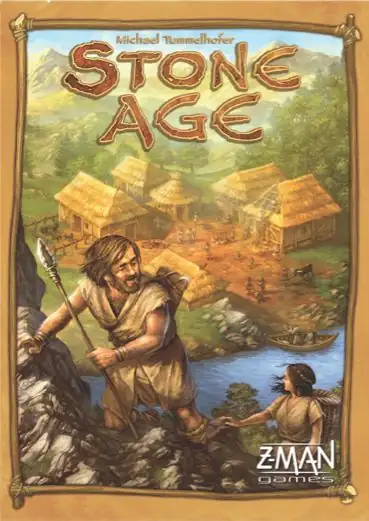 Ages 10+★ 4.2
Sending workers out into a prehistoric world, gathering resources and building huts: an accessible introduction to development strategy games.
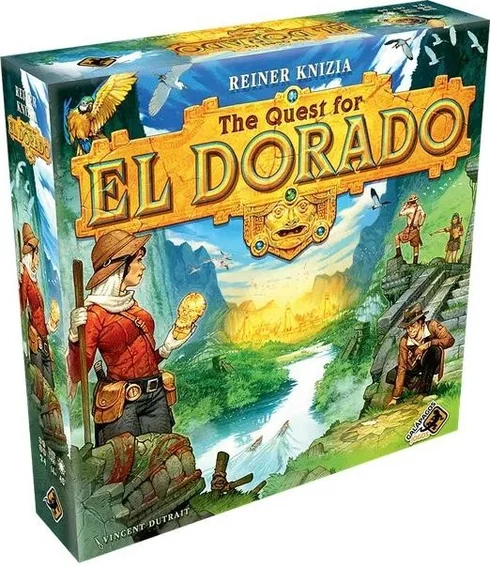 Ages 10+★ 4.2
Winning the race through the jungle with a growing deck of cards: accessible deck-building with constant forward momentum.
Editors' pick Ages 12+★ 3.9
As traders in the bazaar, collect goods cleverly and sell them at the right moment: a gripping duel for the best deal.
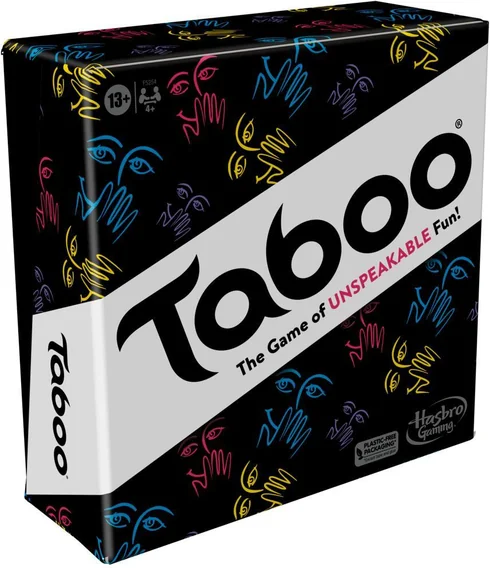 Ages 13+★ 4.1
Explain a term without using the five most obvious words: creative paraphrasing against the ticking clock, as a team.
Editors' pick Ages 12+★ 4.0
Two players place Targi figures on the edge of the board, let their lines cross and trade Tuareg goods: a tight, tactical duel.
 Ages 12+★ 3.8
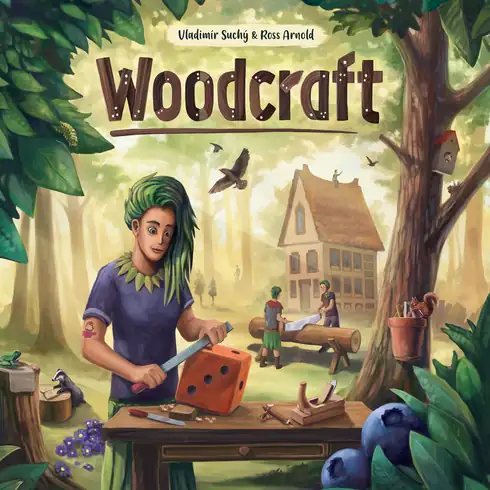
Run a carpentry workshop by getting wood, sawing, gluing and fulfilling orders precisely: a well-thought-out dice puzzle for experienced players.
 Ages 13+★ 4.1
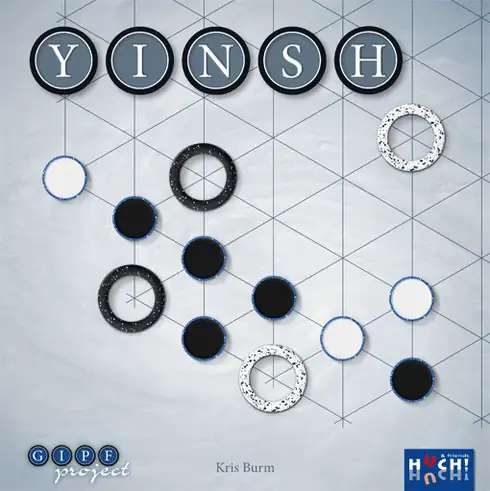
Abstract duel from the GIPF series: place pieces, flip the ones you jump over and form rows of five, each of which removes one of your rings. Deep strategy.
 Ages 10+★ 3.9
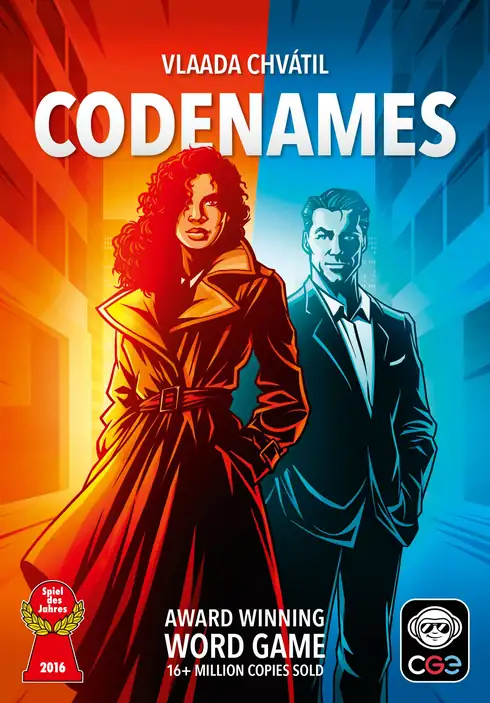
Two teams, a grid of words: get your team to guess as many of its own words as possible from a single clue word. Pure wordplay and association.
No games found. Try fewer filters.
Curated lists with context: what children can do at each age and which games call on which skill.
Better 20 minutes twice a week than a whole afternoon once a month. A regular game night soon becomes a ritual.
What counts is undivided attention. Twenty minutes of full attention are worth more than an hour of half-hearted play.
Do not let children win on purpose: they notice. Instead, choose short games and show them how to lose calmly.
Motivation is the most important reinforcer. Offer two or three suitable games and let the child decide.
“You remembered all the cards!” can have a more lasting effect than “Great, you won!” This keeps the focus on effort.
Many games can be made easier or harder. Ideally, the child has to make an effort but succeeds regularly.
Most of the games are quick to explain, take around 30 minutes to play, need hardly any preparation and involve little luck: success depends mainly on thinking, remembering, perceiving or dexterity. A few more demanding titles for older children and teenagers take longer; the playing time is given for each game. The selection is based on games that have proved their worth in educational practice and in families. We describe our approach in more detail on the page About us and methodology.
No. Playing together is a wonderful way to support development in everyday life, but it is no substitute for a professional assessment or treatment. If you have concerns, talk to your child's doctor or ask your child's school about specialist support.
They follow the publishers' recommendations. Every child is different: many games work earlier with small changes to the rules, or stay appealing well beyond the stated age.
The rating is the average of three partial scores: learning potential, fun and accessibility. If a game has neither an award nor two independent reviews, fun remains unrated and does not count. How the partial scores are arrived at is explained on the page About us and methodology.
Through affiliate links: if you buy a game through a shop button, we receive a small commission. Your price stays exactly the same. Our choice of games is editorially independent.