 ★ 4.4
Editors' pick
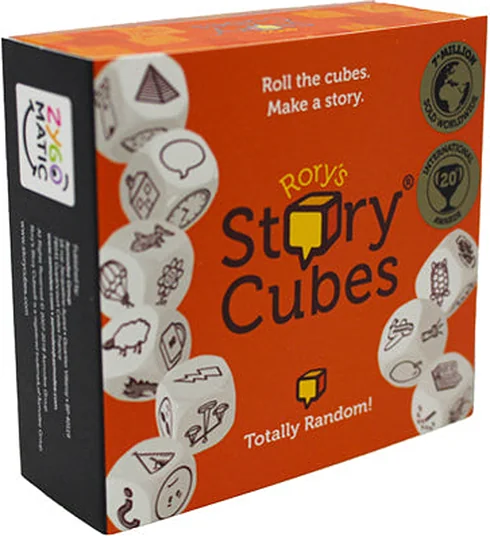
Rory's Story Cubes Classic
Nine picture dice, endless stories: a storytelling game with no winners or losers.
Playing alone is part of development. Younger children often play by themselves or alongside others; between the ages of three and five, they increasingly learn to play together. Time on their own is still valuable, especially with a game that challenges them. In solo puzzle games such as Camelot Jr., Rush Hour or IQ Puzzler Pro, the challenge is set and the components themselves show whether the solution is right. The figures find their way to each other, the car gets out of the traffic jam, the board fills up without gaps. Puzzles like these call on working memory, planning and spatial reasoning. The child sets the pace, waits for nobody and loses to nobody.
For three- to five-year-olds, tile-laying and puzzle games with an easy start are suitable, such as Katamino Family, Camelot Jr. or Little Red Riding Hood Deluxe; for the very youngest, there is a wooden threading game, On the Farm Threading Game. From about five or six, children become more independent, and logic puzzles such as Rush Hour Jr., 5 Little Birds or LogiBugs become interesting. From age eight, more demanding challenges are added, such as Rush Hour, Gravity Maze or the detective puzzle Cat Crimes. Older children can also play family games such as NMBR 9, Harmonies or MicroMacro: Crime City alone.
Make sure the challenges get harder in stages and that your child starts at a level they can manage. Explain the game to your child the first time and then withdraw your help step by step. The compact editions of the IQ series are well suited to playing on the go.
★ 4.4Nine picture dice, endless stories: a storytelling game with no winners or losers.
 ★ 4.3
Everyone builds their own word grid at the same time: Scrabble without a board, but with speed instead.
 ★ 4.3
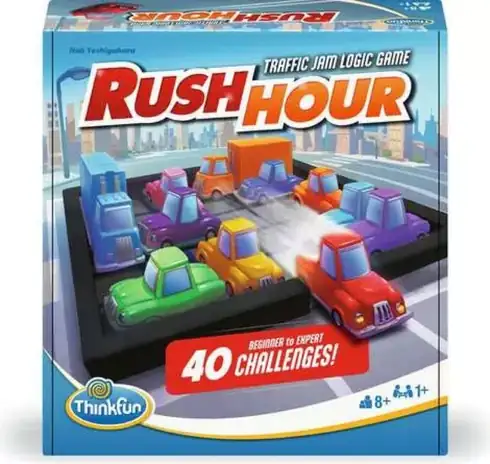
The red car has to get out of the traffic jam: the benchmark against which all logic games are measured.
 Ages 8+★ 3.7
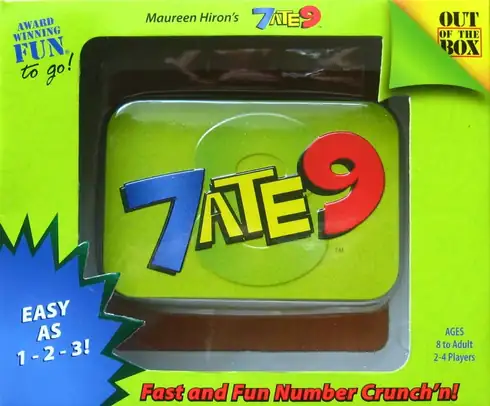
Everyone plays at once: the next card must be the top card's value plus or minus its number. Quick mental math under time pressure.
Editors' pickAges 7+★ 4.3Everyone builds their own word grid at the same time: Scrabble without a board, but with speed instead.
Editors' pick Ages 6+★ 4.2
Work together to block the escape routes of Bandido: a cooperative tile-laying game from Switzerland.
Editors' pick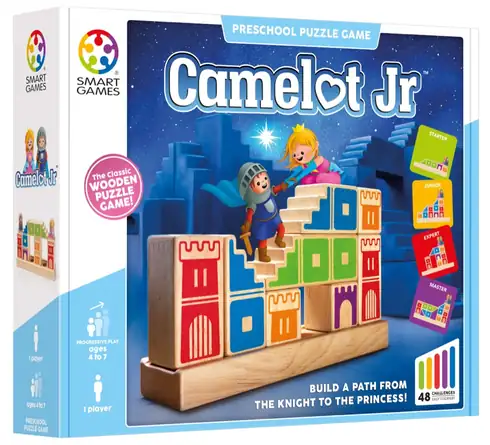 Ages 4+★ 4.2
Bring the knight and the princess together: a solo logic game with challenges of increasing difficulty.
Editors' pick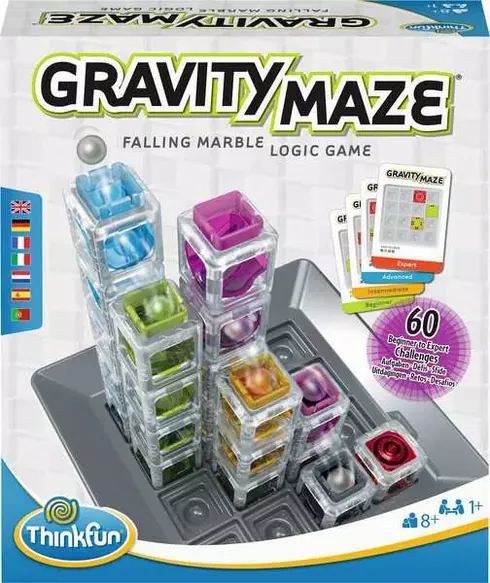 Ages 8+★ 3.8
Build towers so that the ball drops from the start into the target: a 3D brain-teaser with a marble-run reward.
Editors' pick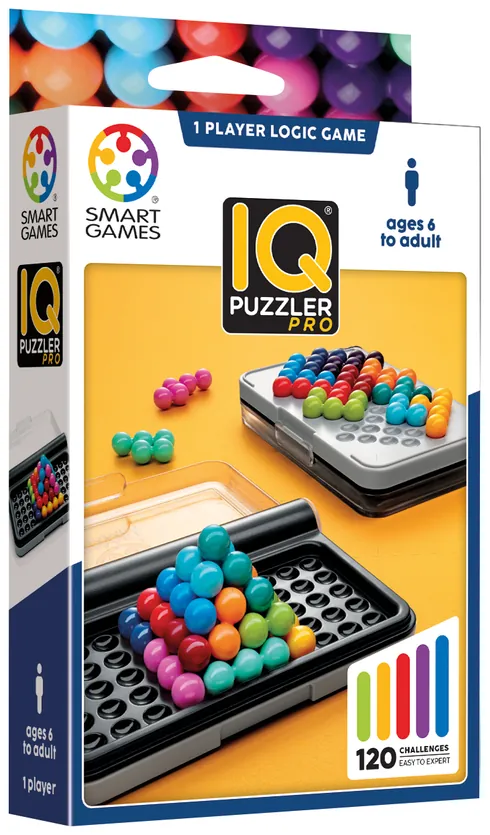 Ages 6+★ 3.8
The versatile travel-sized puzzle for on the go: challenges in 2D and 3D.
Editors' pick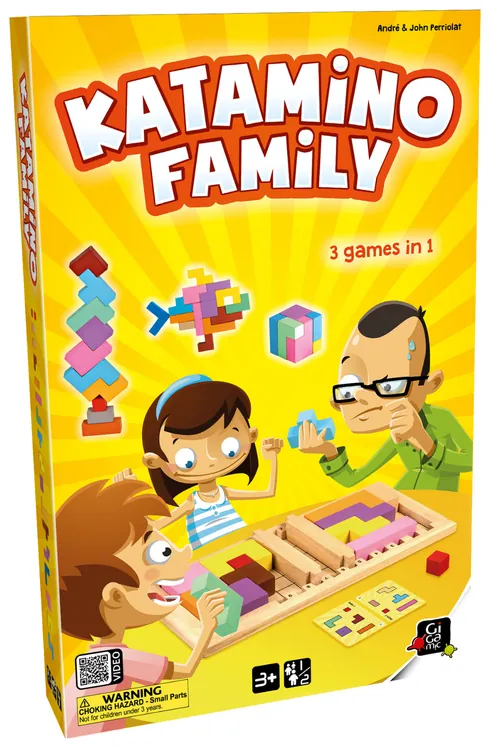 Ages 3+★ 4.2
Fit wooden blocks into the given area without leaving gaps: a versatile spatial puzzle game that grows with the player's skills.
Editors' pickMemorize a picture for ten seconds, then answer questions about it: a memory game in a pocket-sized box.
Editors' pick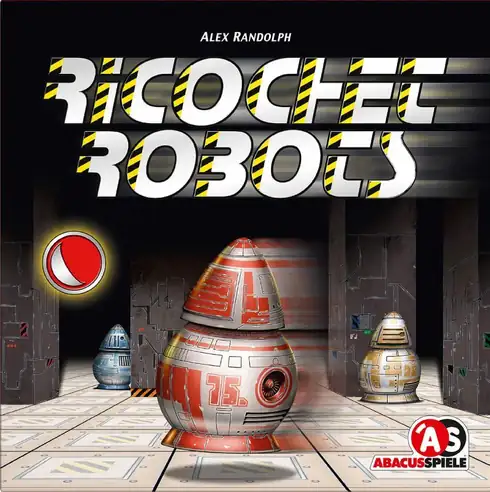 Ages 10+★ 3.9
Get robots to the target in as few moves as possible: they slide until they hit an obstacle. Puzzle-solving for everyone at once.
Editors' pickAges 6+★ 4.4Nine picture dice, endless stories: a storytelling game with no winners or losers.
Editors' pickAges 8+★ 4.3The red car has to get out of the traffic jam: the benchmark against which all logic games are measured.
Editors' pick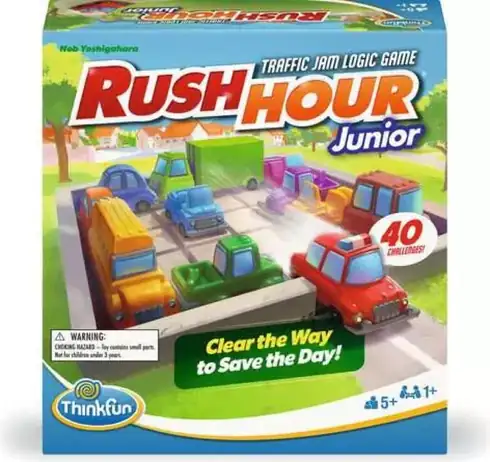 Ages 5+★ 4.0
The ice cream truck is stuck: a sliding puzzle with logic challenges across four levels.
Editors' pick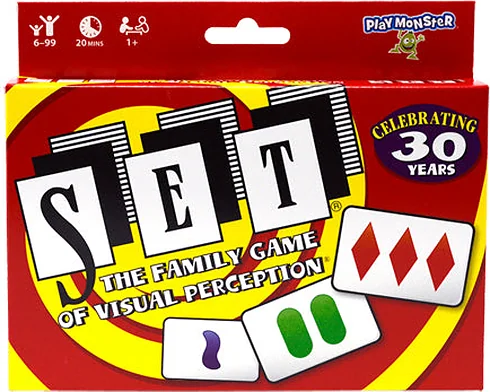 Ages 6+★ 4.1
Four features, one glance: whoever spots a valid set first may take it. Concentration in its purest form.
Editors' pickArrange seven simple shapes so that they form the given silhouette: the timeless classic among shape puzzles.
Editors' pick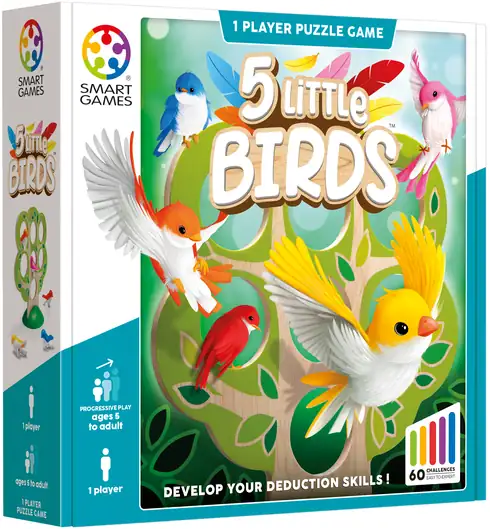 Ages 5+★ 4.0
Clip the birds onto the tree exactly as each challenge specifies: a charming solo logic game with challenges of increasing difficulty.
 Ages 8+★ 3.8
Narrow down the culprit together using symbols, usually in just five minutes: a hectic cooperative real-time deduction game.
Tip a cube-shaped dwarf square by square through the dungeon, grab the key and escape through the gate: a tricky solo logic game.
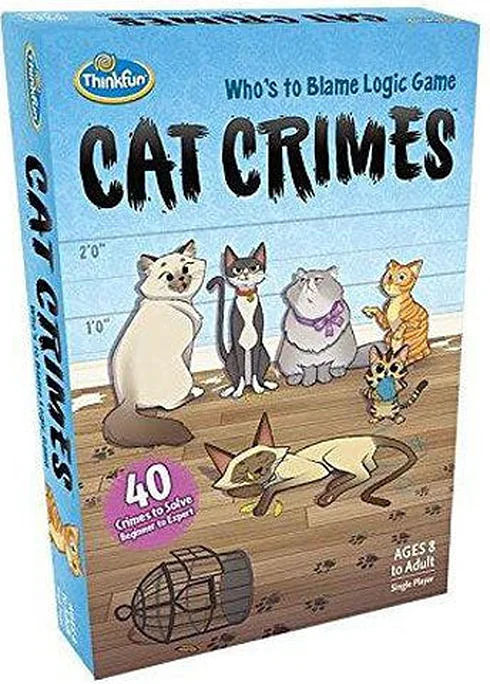 Ages 8+★ 3.8
Use clues to work out logically which cat caused the damage: a tricky solo deduction game.
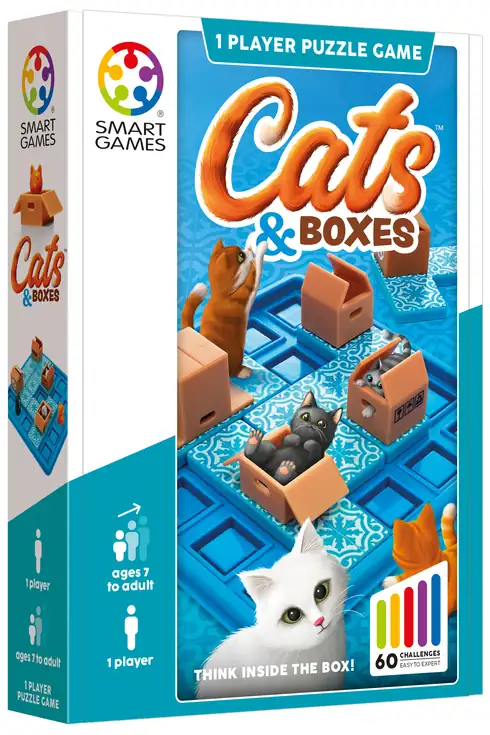 Ages 7+★ 3.8
Move the boxes so that in the end every cat is sitting in a box: a cute solo game of spatial logic.
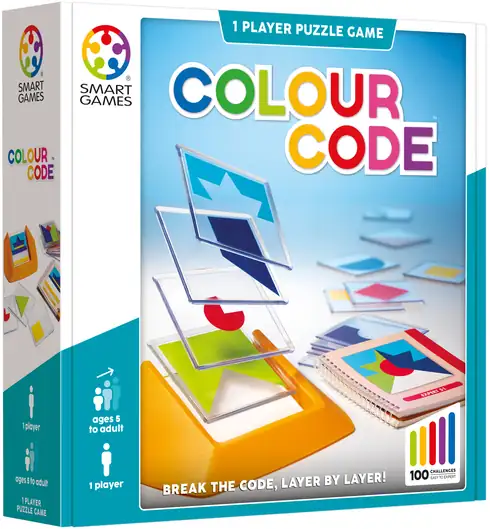 Ages 5+★ 3.8
Stack transparent shape cards in the right order until the target picture appears: a solo puzzle in spatial perception.
Arrange the twelve space creatures as the challenge shows so that all of them fit: a beginner-friendly solo logic game for children.
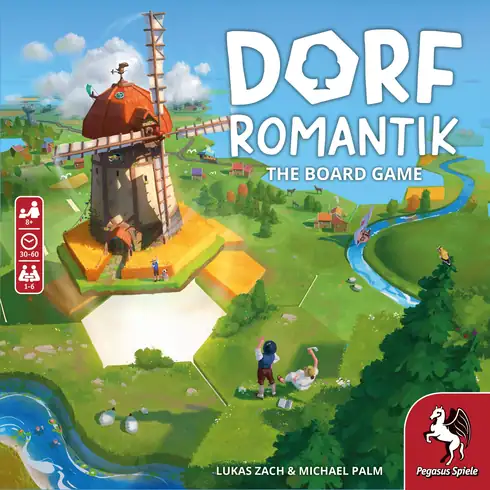 Ages 8+★ 4.2
Lay tiles side by side and let an ever more beautiful landscape grow: a calm, cooperative and absorbing building game.
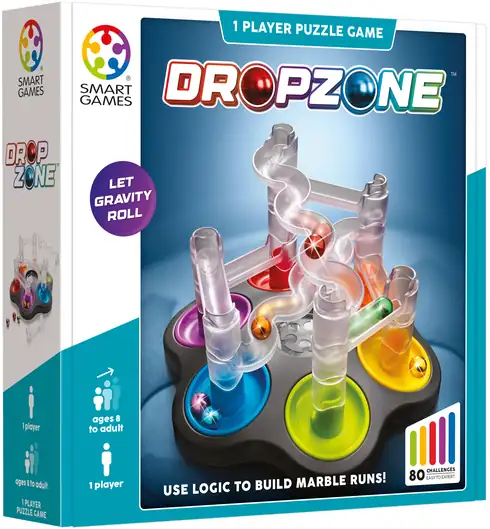 Ages 8+★ 3.5
Build the track so that every marble lands in exactly the right base: a clever solo logic game with a touch of gravity.
 Ages 10+★ 4.0
Place colored pieces, shape landscapes and attract animals with suitable habitats: a cozy building game with a puzzle feel and a calm pace.
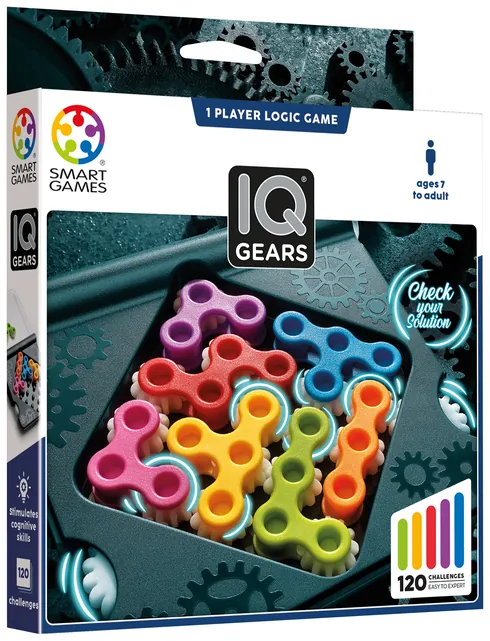 Ages 7+★ 3.8
Fit the interlocking gear pieces onto the travel board without leaving gaps: a compact solo puzzle game with challenges that get harder.
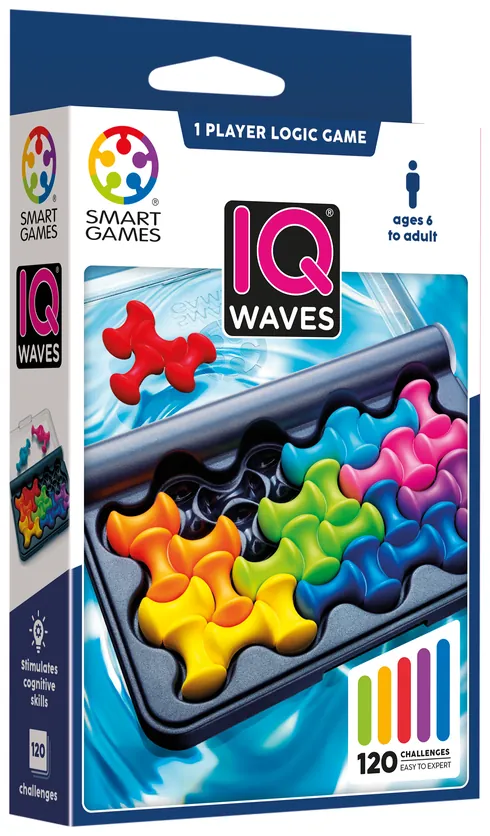 Ages 6+★ 4.0
Fit all the wave-shaped pieces onto the travel board without leaving gaps: a compact solo puzzle game.
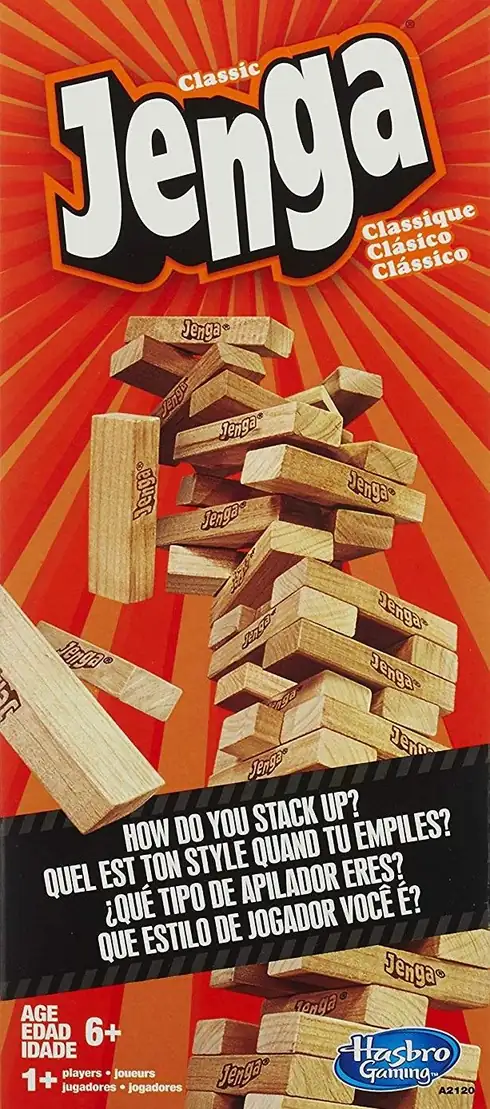 Ages 6+★ 4.3
Pull blocks out of the wobbly tower and place them on top until it topples: pure suspense and fine motor skills.
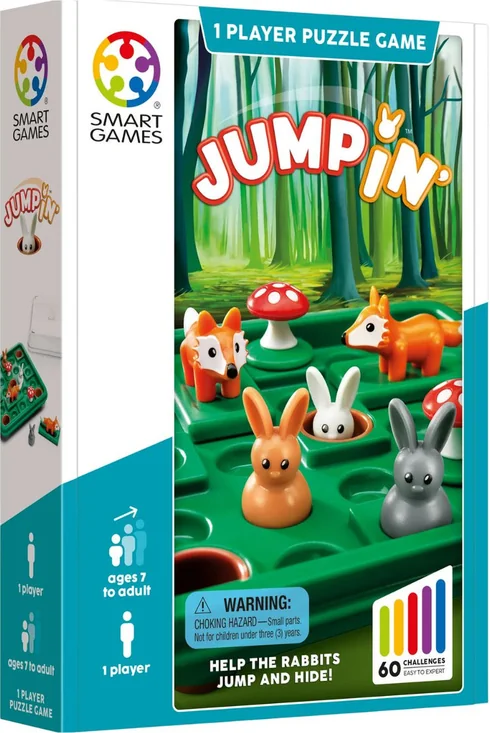 Ages 7+★ 3.8
Help the rabbits jump cleverly over foxes and mushrooms into the free holes: a bouncy solo logic game.
Place mirrors and targets so that the laser beam hits the target exactly: a glowing solo logic game with a real aha moment.
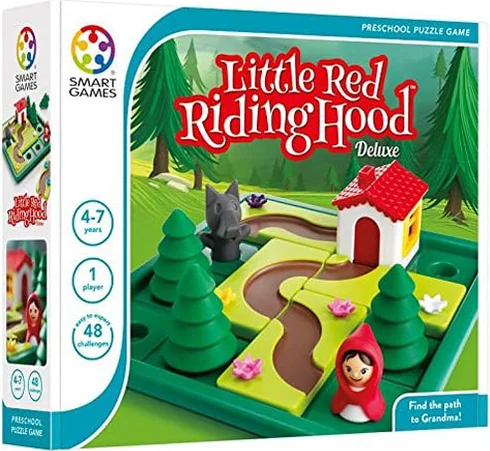 Ages 4+★ 4.0
Lay path pieces so that Little Red Riding Hood reaches her grandmother safely: a charming solo logic game with progressively harder challenges.
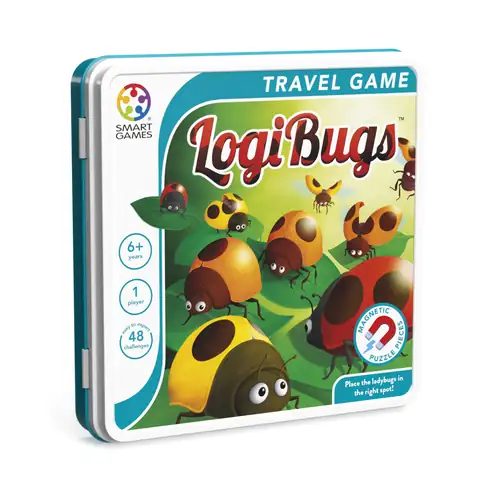 Ages 6+★ 4.0
Use the clues to work out logically where each beetle belongs on the grid: a beginner-friendly solo deduction game.
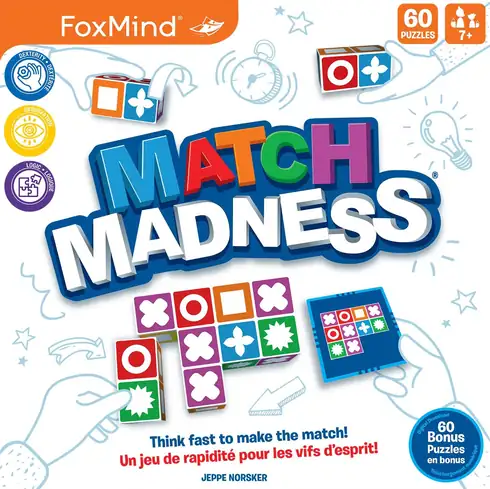 Ages 7+★ 4.1
Race to arrange your own blocks so that they match the pattern card exactly: a fast game of spatial perception.
 Ages 10+★ 3.8
Solve criminal cases step by step on a huge seek-and-find city map: close observation and deduction as a team of investigators.
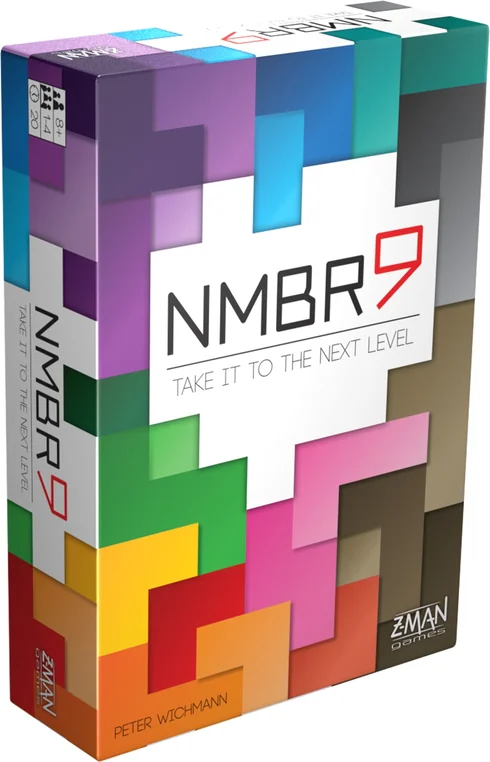 Ages 8+★ 4.0
Stack number tiles: the higher you build, the more you score. A clever spatial tile-laying game with no board, just brainpower.
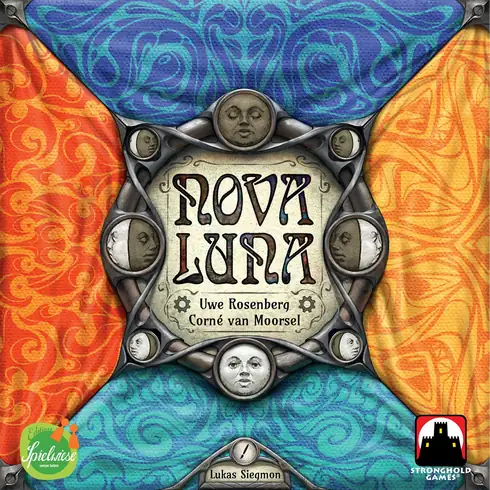 Ages 8+★ 3.9
Choose tiles and complete tasks based on color patterns while the moon decides the turn order: calm, tricky optimizing.
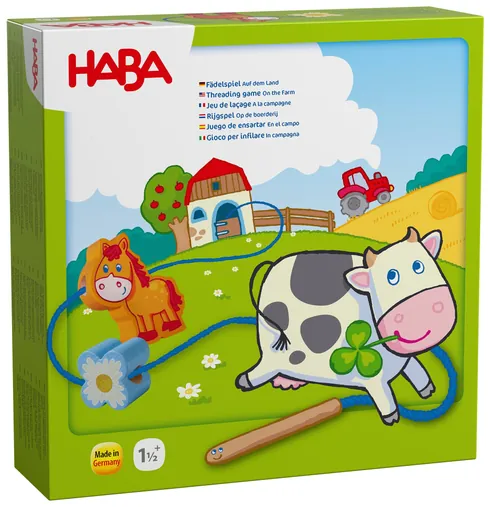 Ages 1½+★ 3.6
Thread wooden pieces onto a cord and make first patterns: this can help build fine motor skills and hand-eye coordination even in the very youngest.
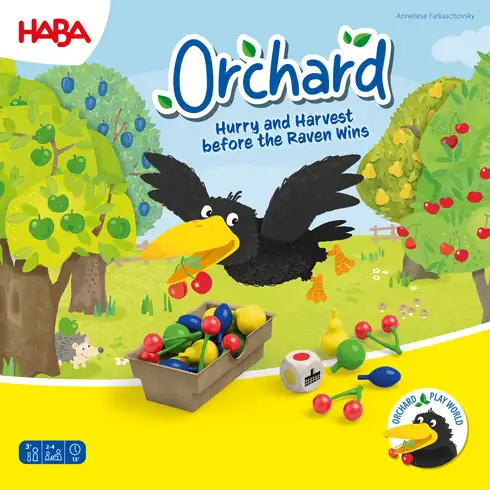 Ages 3+★ 3.8
The cooperative classic for preschool children: harvest all the fruit together before the raven puzzle is complete.
Pull sticks out of the pile one at a time without moving any of the others: steady hands and patience in a timeless game of dexterity.
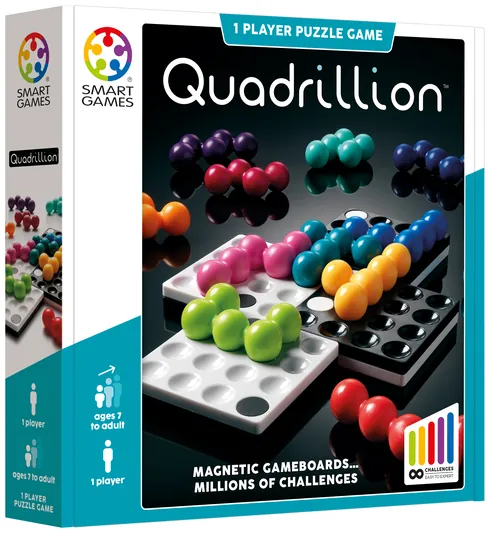 Ages 7+★ 4.0
Arranging magnetic boards freely and then fitting in every piece without gaps: a spatial solo puzzle with almost endless variations.
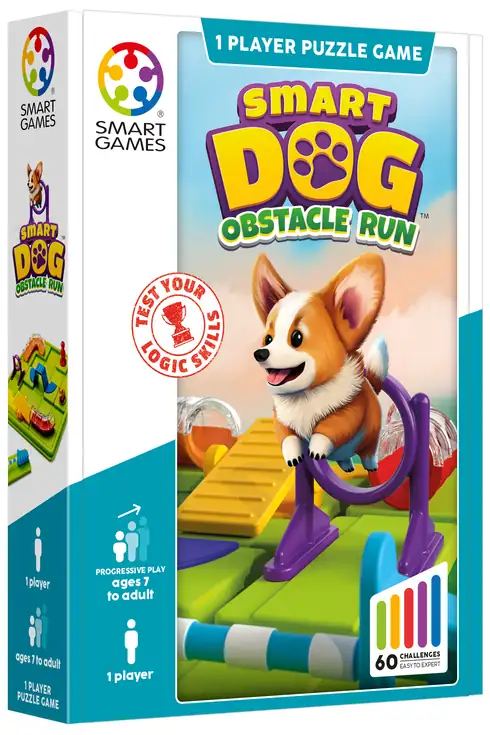 Ages 7+★ 4.0
Place obstacles so that the dog finds a course all the way to its trainer: a cute solo logic game with lots of challenges.
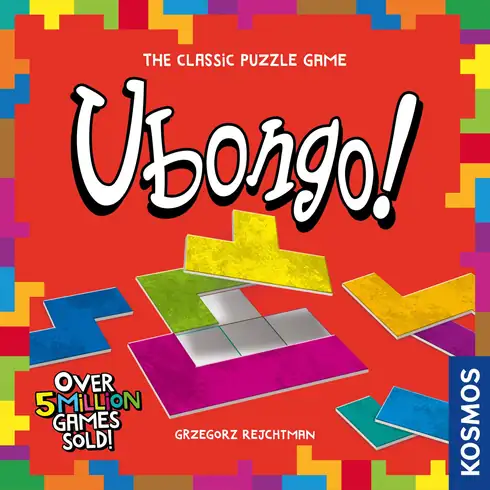 Ages 8+★ 4.3
Race to fit colored pieces exactly into your own puzzle board and call “Ubongo!”: fast-paced spatial puzzling.
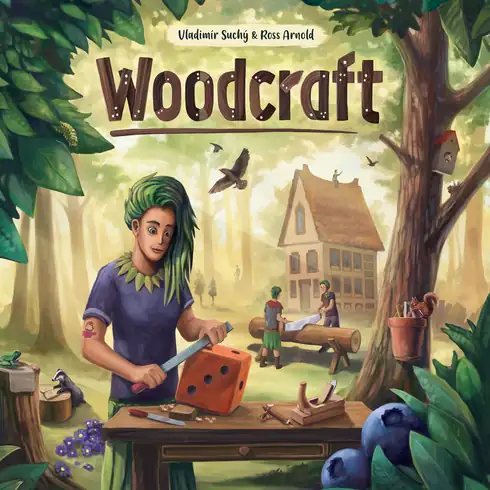 Ages 12+★ 3.8
Run a carpentry workshop by getting wood, sawing, gluing and fulfilling orders precisely: a well-thought-out dice puzzle for experienced players.
Here you will find all the games in our collection that can also be played by just one person. Around half are pure solo games, mostly puzzle games with challenges at several levels of difficulty; the rest are games for several players that you can also play alone. Each of them has its own review on this website, with a description of how it plays and a skills profile; the recommended ages come from the publishers.
Yes. Younger children in particular often play by themselves; they gradually learn to play together between the ages of three and five. Experts also distinguish between two reasons for playing alone: some children like being on their own, while others would like to join in but do not dare. In young children, according to studies from North America, the former is no cause for great concern; shyness deserves more attention. For school-age children, it is good when time on their own alternates with time with their peers.
The first tile-laying and puzzle games in this selection are recommended from age three, such as Katamino Family; Camelot Jr. follows from age four. Child development experts recommend increasingly challenging jigsaw puzzles at this age, which call on visual working memory and planning. Between the ages of five and seven, children become more independent, and puzzles and logic games in which rules have to be applied become interesting. How long a child sticks at it alone varies a great deal; younger children need more support at first.
As much as necessary, as little as possible. Experts advise adapting activities to what the individual child can do and reducing support as soon as the child is ready: the aim is for children to depend less and less on guidance from adults. With puzzle games, this means a small hint first rather than the solution, an easier challenge after several failed attempts, and the solution only at the very end. A challenge should stretch your child but not be too difficult; next time, they can go up a level.
Brain-teasers require keeping information in mind and working with it, thinking steps ahead and looking for another way when one does not lead to the goal. Experts therefore see such puzzles as good practice for attention, working memory and cognitive flexibility. Tile-laying and building games also challenge spatial reasoning: in a large US study, children who, according to their parents, played more often with things such as jigsaw puzzles and building blocks had better spatial skills. Whether the play is the cause, however, remains open.