 ★ 4.2
Ages 3–4Editors' pick
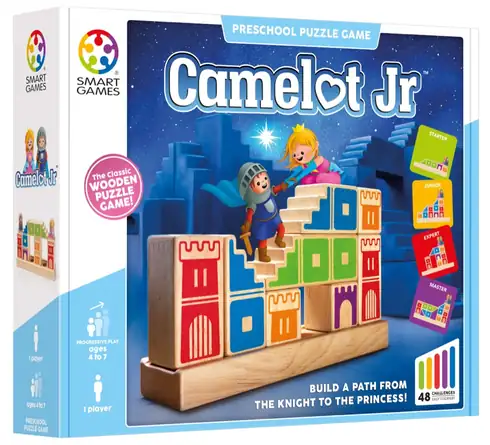
Camelot Jr.
Bring the knight and the princess together: a solo logic game with challenges of increasing difficulty.
A board game is a gift that only really gets unwrapped at the table: it brings children, parents and grandparents together, at Christmas and long afterwards. Along the way, children practice what experts call executive functions. These are impulse control (inhibition, that is, holding back a first impulse), working memory (keeping information in mind and working with it) and cognitive flexibility (adapting your thinking when the situation changes). No child is born with these skills, but every child is born with the potential to develop them; they continue to mature into young adulthood.
What a game can ask of a child therefore depends heavily on age. At three or four, many children discover simple games with rules but still need adults who play along and help them stick to the rules. From school age, card games, puzzle games and strategy games in which you have to remember cards and plan several moves ahead become exciting. That is why this selection is sorted by age group: from reaction and stacking games for little ones through one-player puzzle games and cooperative games to tactical and word games that challenge adults too.
When choosing, it helps to look at your child: do they like speed, puzzling things out, building or stories? How well do they already understand rules? A suitable game challenges without overwhelming and can be made harder, for example with more difficult challenges or additional rules; otherwise it soon becomes boring. And it needs someone to play along.
★ 4.2Bring the knight and the princess together: a solo logic game with challenges of increasing difficulty.
 ★ 4.4
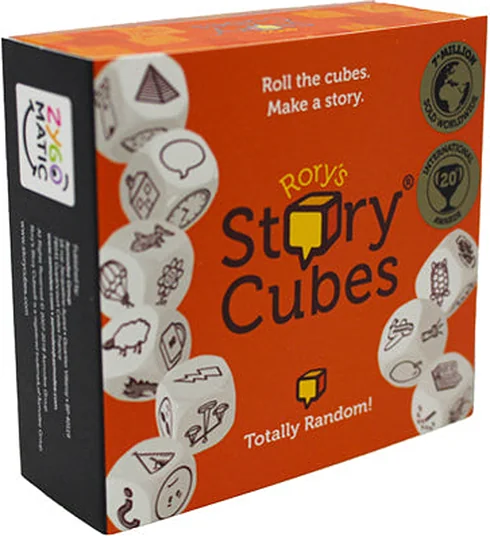
Nine picture dice, endless stories: a storytelling game with no winners or losers.
 ★ 4.3
Everyone builds their own word grid at the same time: Scrabble without a board, but with speed instead.
 ★ 4.2
Combine dice cleverly and advance on up to three routes, but whoever keeps rolling too greedily loses the whole turn. A classic of weighing risks.
At this age, many children discover their first games with rules. They only gradually learn to stick to rules and to lose, so few rules, short games and something hands-on are ideal: stacking, as in Animal Upon Animal, grabbing quickly or looking closely, as in Halli Galli Circus. Expect to play along at first. If there are younger siblings under three in the house, watch out for small parts.
 Ages 4+★ 4.2
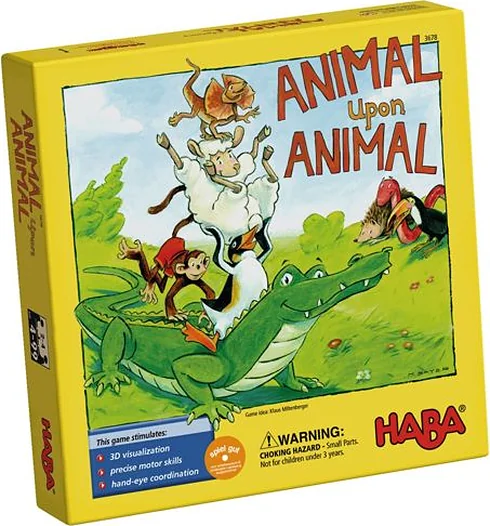
Crocodile carries sheep carries penguin: the classic stacking game for steady hands and a good eye.
Editors' pickAges 4+★ 4.2Bring the knight and the princess together: a solo logic game with challenges of increasing difficulty.
Editors' pickOnly hands may look: a game of touch in which everyone feels the bags at the same time for the wooden piece shown on the card.
Editors' pickTwo matching clowns? Hit the bell! The classic reaction game in a version without counting, from age 4.
Editors' pick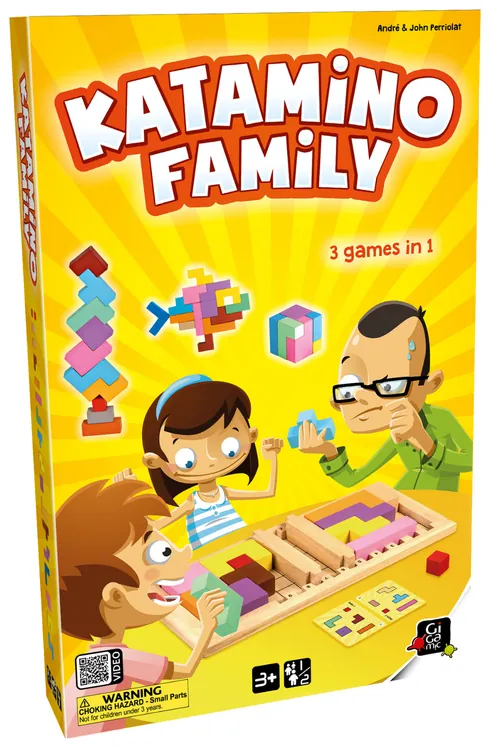 Ages 3+★ 4.2
Fit wooden blocks into the given area without leaving gaps: a versatile spatial puzzle game that grows with the player's skills.
Editors' pickMemorize a picture for ten seconds, then answer questions about it: a memory game in a pocket-sized box.
Editors' pickEveryone rummages through a wild heap of socks at the same time, looking for pairs: searching fun at high speed.
Editors' pick Ages 4+★ 4.2
Guessing taco, kitten or pizza and turning over the card: when a Candy card appears, everyone slaps the middle. A reaction game for children.
Editors' pickNow many children begin to enjoy games with rules, with big differences in interest and ability. Give something that challenges without overwhelming: puzzle games such as Rush Hour Jr. lead from an easy start to tricky challenges, and in Cockroach Salad, players have to switch their thinking in a flash. Children who do not like losing win or lose together with everyone else in Bandido.
 Ages 6+★ 3.9
Turn over cards and slap lightning-fast when the right picture appears: a boisterous reaction and card game for the whole family.
Editors' pick Ages 6+★ 4.2
Work together to block the escape routes of Bandido: a cooperative tile-laying game from Switzerland.
Editors' pick Ages 6+★ 3.7
Use the magnetic wand to fish out only your own bells: a delicate touch meets a careful weighing of risks.
Editors' pick Ages 6+★ 4.2
Say “lettuce” when there is a pepper on the pile: a Stroop test turned party game, and wonderfully tricky.
Editors' pick Ages 6+★ 4.0
Move colored balls between test tubes until they match the formula, without touching them. Pace meets a delicate touch.
Editors' pickExactly five of the same fruit? Ring the bell! The reaction classic par excellence, and secret practice in grasping quantities.
Editors' pick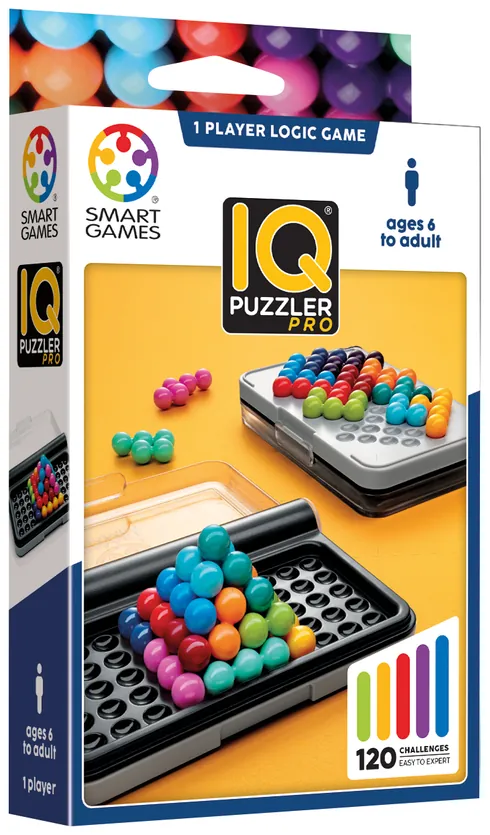 Ages 6+★ 3.8
The versatile travel-sized puzzle for on the go: challenges in 2D and 3D.
Editors' pickStack or line up five cups at lightning speed, as the card shows, then hit the bell!
Editors' pick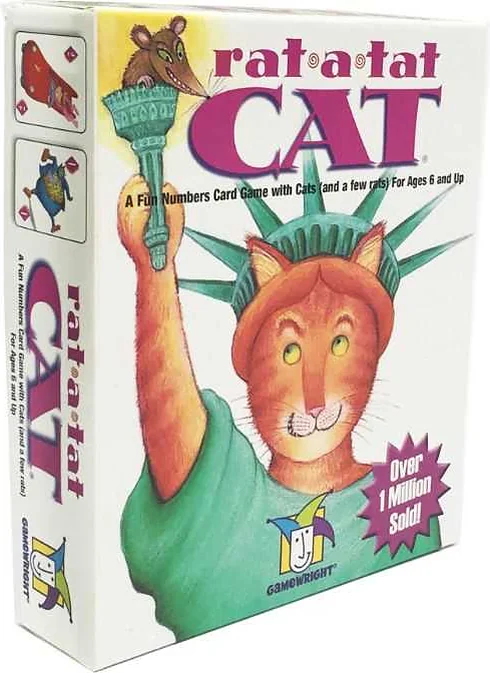 Ages 6+★ 3.9
Keep your face-down cards low: whoever forgets which card is where swaps their way to ruin.
Editors' pickAges 6+★ 4.4Nine picture dice, endless stories: a storytelling game with no winners or losers.
Editors' pick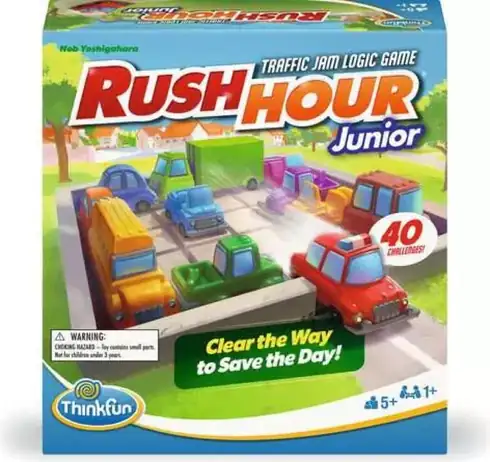 Ages 5+★ 4.0
The ice cream truck is stuck: a sliding puzzle with logic challenges across four levels.
Editors' pick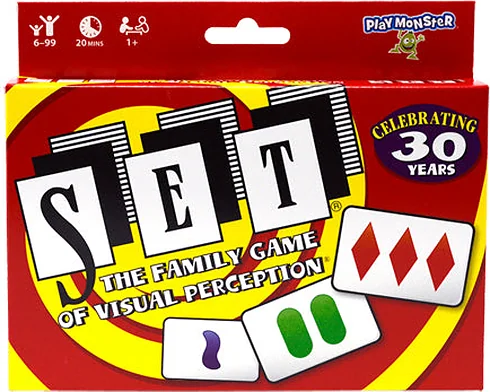 Ages 6+★ 4.1
Four features, one glance: whoever spots a valid set first may take it. Concentration in its purest form.
Editors' pickOnce children are of school age, a game can ask for more brainpower: keeping cards in your memory as in Cabo or planning moves ahead as in Blokus. Many of these games are fun for adults too. For quiet hours alone, puzzle games such as Rush Hour or Gravity Maze are a good choice.
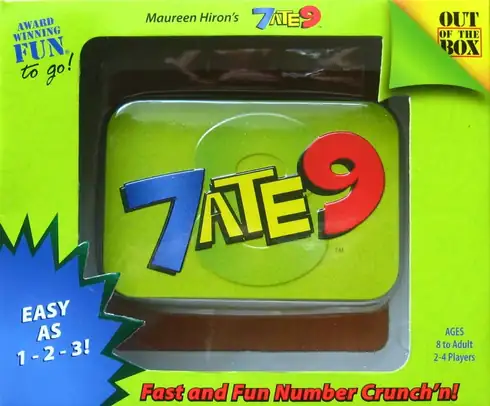 Ages 8+★ 3.7
Everyone plays at once: the next card must be the top card's value plus or minus its number. Quick mental math under time pressure.
Editors' pickAges 7+★ 4.3Everyone builds their own word grid at the same time: Scrabble without a board, but with speed instead.
Editors' pick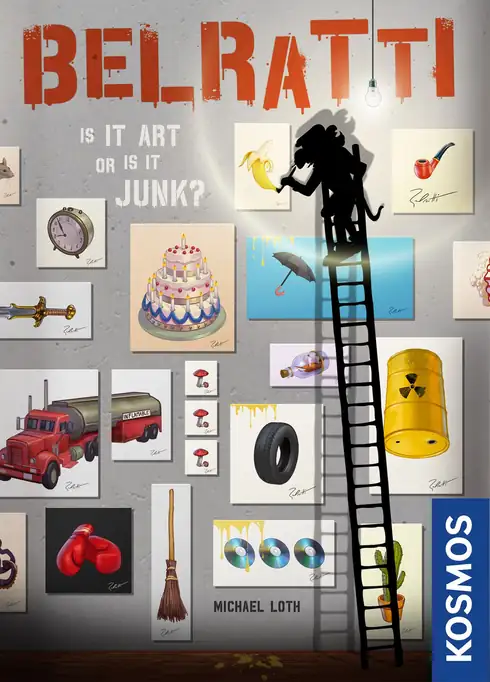 Ages 8+★ 4.0
The painters supply matching pictures, and the museum management has to spot the forgeries Belratti has slipped in: a charming cooperative association game.
Editors' pick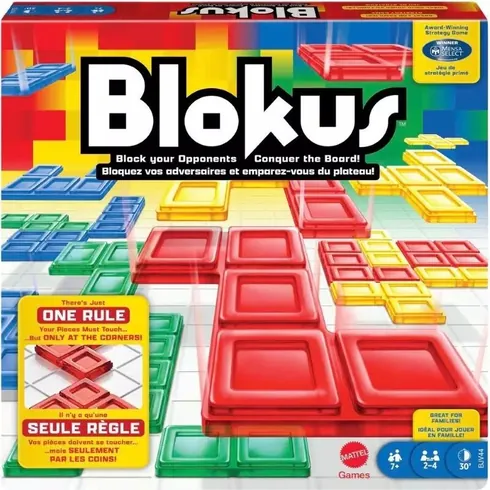 Ages 7+★ 4.3
Get all your pieces onto the board, with each new one touching your own only at a corner. Pure spatial strategy.
Editors' pick Ages 8+★ 3.8
Keep your face-down cards as low as possible, swap cleverly and call “Cabo” at the right moment: memory meets bluffing.
Editors' pick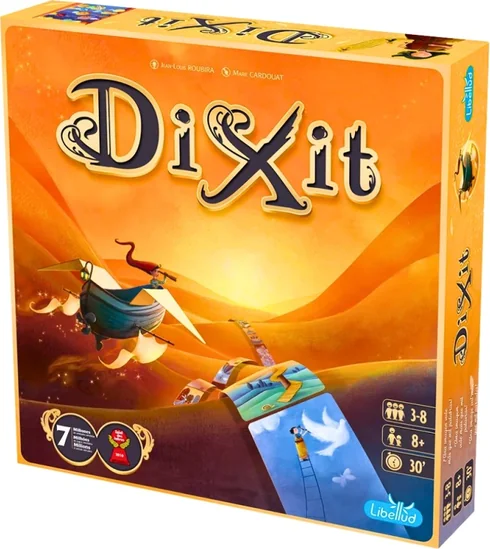 Ages 8+★ 4.3
Dreamlike pictures, subtle clues: the game that calls for a feel for language and empathy at the same time.
Editors' pick Ages 8+★ 3.9
Call out in a flash what appears most often: color? Animal? Or is it “Dodelido” after all? Sounds easy. It is not.
Editors' pickPlay cards and count aloud: whoever reaches 99 or more, or hits a number with two identical digits, loses a chip.
Editors' pickGrab the right object, or the one that is not shown at all: reaction speed and impulse control under time pressure.
Editors' pick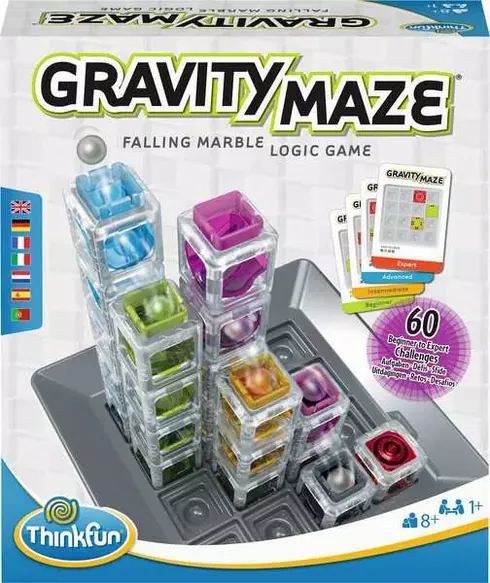 Ages 8+★ 3.8
Build towers so that the ball drops from the start into the target: a 3D brain-teaser with a marble-run reward.
Editors' pick Ages 8+★ 3.9
Everyone can see your cards except you: a cooperative fireworks display for the memory.
Editors' pick Ages 7+★ 4.2
Matching symbols? Grab the totem in a flash, but the symbols are fiendishly similar.
Editors' pick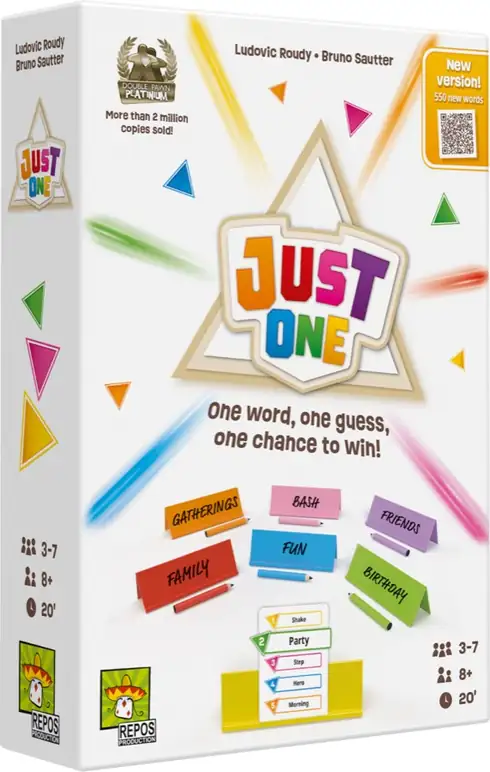 Ages 8+★ 4.1
Everyone writes a clue, and duplicates are crossed out: the most warm-hearted word game of recent years.
Editors' pick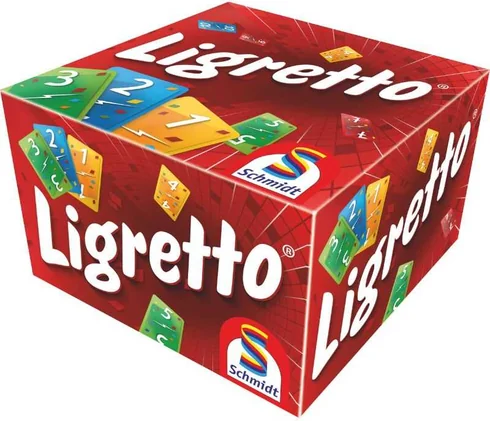 Ages 8+★ 4.2
Everyone plays at the same time, laying cards in the middle at lightning speed: it takes speed, an overview of the table and nimble hands.
Editors' pick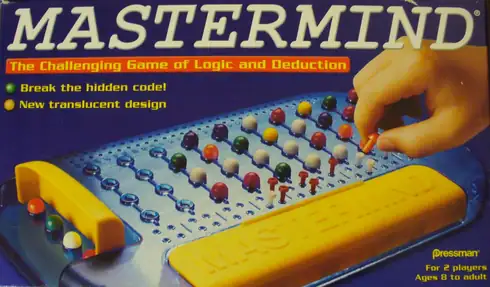 Ages 8+★ 4.0
Crack the secret color code: deduction in its purest form, the classic logic game for two.
Editors' pick Ages 8+★ 4.2
A memory game (matching pairs) for advanced players: only cards that match may be turned over, and anyone who slips up is out.
Editors' pick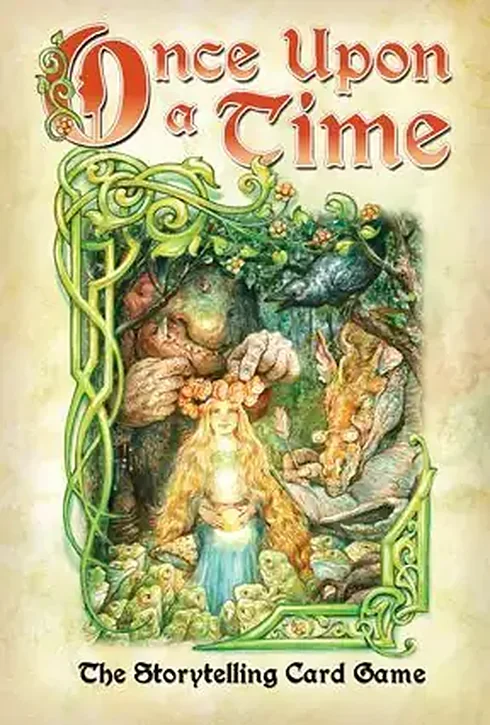 Ages 8+★ 3.9
Invent a fairy tale together and use story and ending cards to steer it cleverly to your own ending: an imaginative storytelling game.
Editors' pick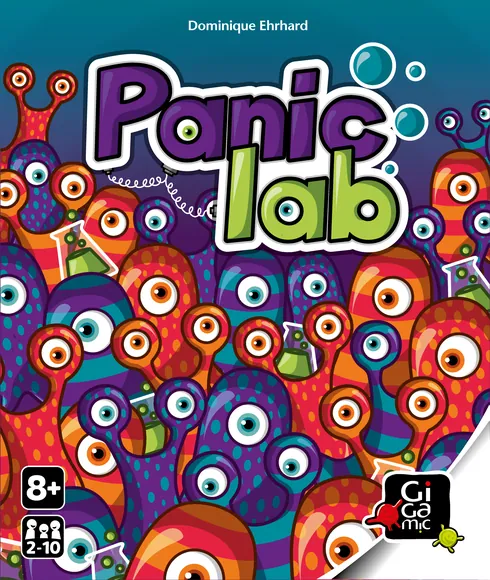 Ages 8+★ 4.0
Amoebas on the run: the dice show which one is wanted, but the way there follows devious rules.
Editors' pick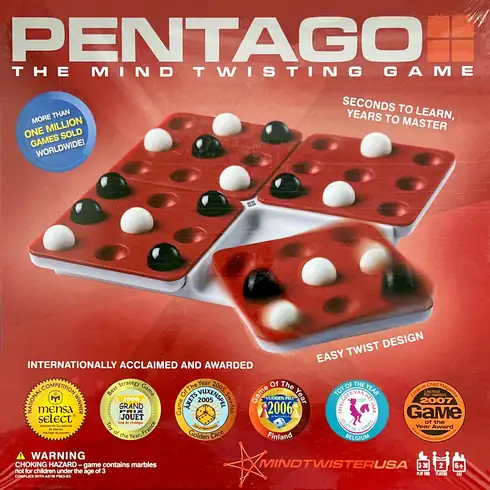 Ages 8+★ 4.3
Get five marbles in a row, but after every marble a quarter of the board turns. Strategy that keeps you rethinking.
Editors' pick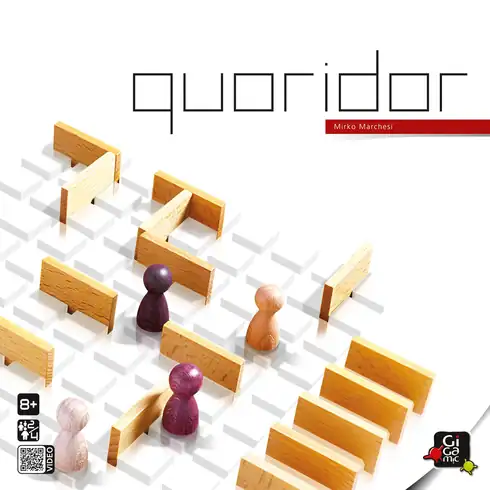 Ages 8+★ 4.2
Get your pawn to the opposite side while slowing your opponent down with walls: elegant logic on a maze board.
Editors' pick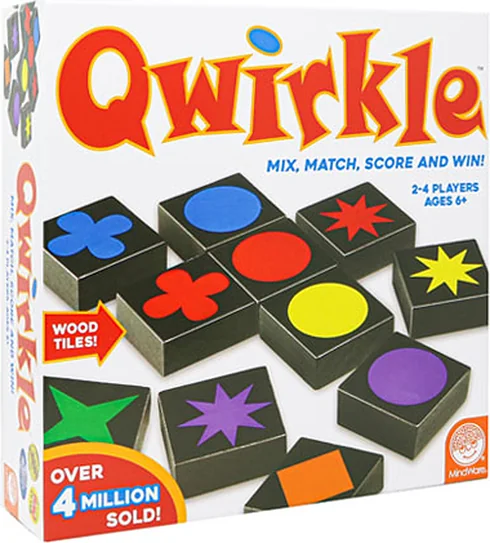 Ages 8+★ 4.0
Place colors and shapes cleverly: Spiel des Jahres 2011 (German game of the year award) and a classic family strategy game.
Editors' pick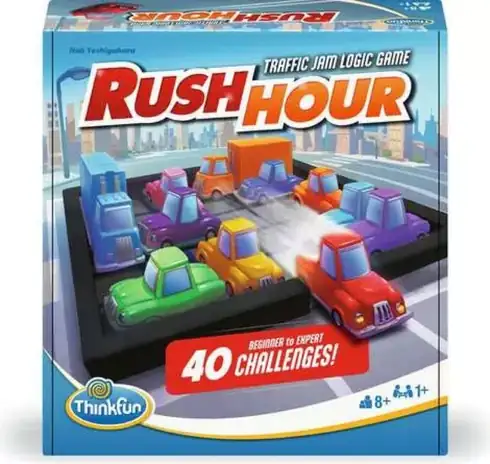 Ages 8+★ 4.3
The red car has to get out of the traffic jam: the benchmark against which all logic games are measured.
Editors' pickWhoever lays the sixth card collects the row: number logic, a feel for risk and delightful gloating.
Editors' pickArrange seven simple shapes so that they form the given silhouette: the timeless classic among shape puzzles.
Editors' pick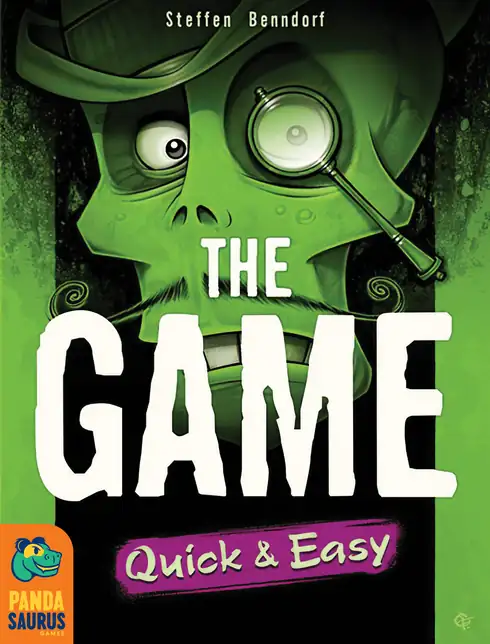 Ages 8+★ 3.9
Together against the deck: play all the cards in ascending or descending order. Talking is allowed, but giving away numbers is not.
Editors' pick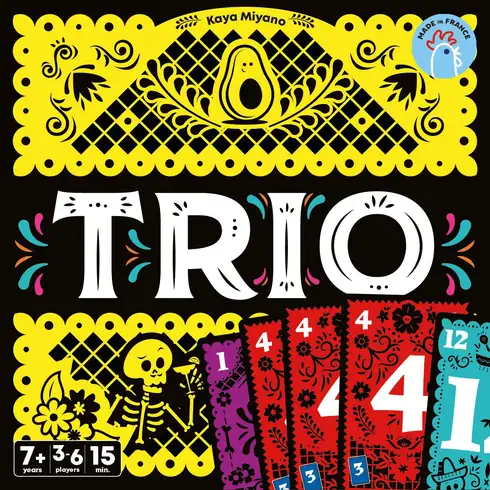 Ages 7+★ 4.0
Revealing hidden numbers and collecting three of a kind: whoever keeps track and guesses boldly wins. A simple, punchy game idea.
Editors' pick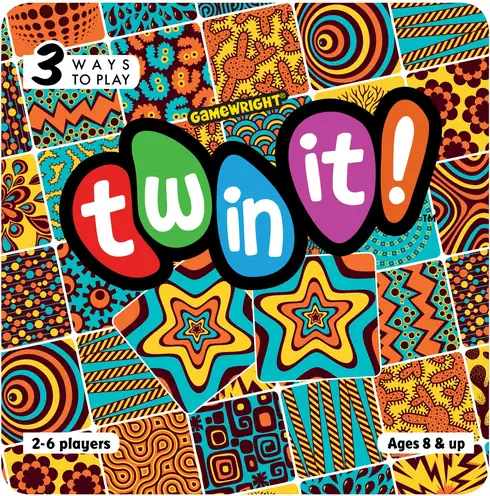 Ages 8+★ 4.3
Spot two identical patterns among many similar ones in a flash and pounce: a fast-paced perception game for sharp eyes.
Editors' pickWith some practice, children of this age can become really good at strategy games. Now is the time for games with more tactics and longer playing times, such as The Quest for El Dorado or Imhotep. In Can't Stop, players weigh up when it is better to stop. For evenings for two, there is Lost Cities Card Game with 6th Expedition or the cooperative Sky Team, and for large groups Take 5, which already works from age 8, with up to ten players. What remains important is that the challenge grows with the child.
 Ages 14+★ 4.0
Defuse a bomb as a team: deduce the values of hidden wires from scant clues and cut them. Spiel des Jahres 2025 (German game of the year award).
Editors' pickAges 9+★ 4.2Combine dice cleverly and advance on up to three routes, but whoever keeps rolling too greedily loses the whole turn. A classic of weighing risks.
Editors' pick Ages 10+★ 4.1
As master builders in ancient Egypt, ship stones by boat and erect monuments: tactical deliveries with constant rivalry.
Editors' pick Ages 10+★ 4.0
Two players launch expeditions and lay cards in ascending order, but every expedition started must first earn back its cost of 20 points. A thrilling duel.
Editors' pick Ages 14+★ 4.2
Reveal ships and secure your winnings before you push your luck too far: an exciting push-your-luck card game in a pirate harbor.
Editors' pick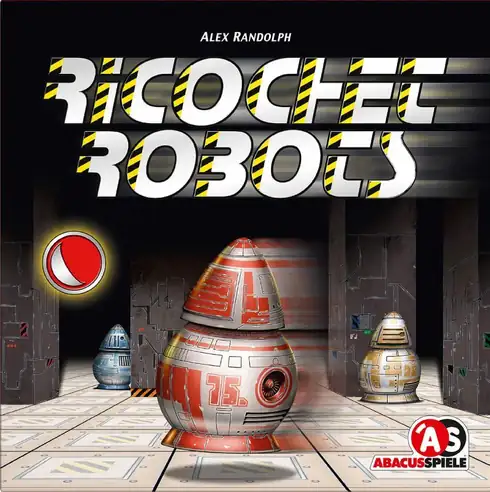 Ages 10+★ 3.9
Get robots to the target in as few moves as possible: they slide until they hit an obstacle. Puzzle-solving for everyone at once.
Editors' pick Ages 10+★ 4.0
Land a plane as a pair: place dice in silence on the right cockpit spaces and work together perfectly. An intense cooperative duel of concentration.
Editors' pick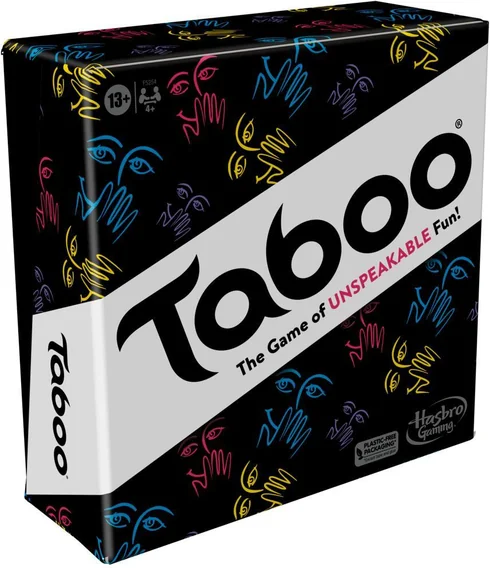 Ages 13+★ 4.1
Explain a term without using the five most obvious words: creative paraphrasing against the ticking clock, as a team.
Editors' pick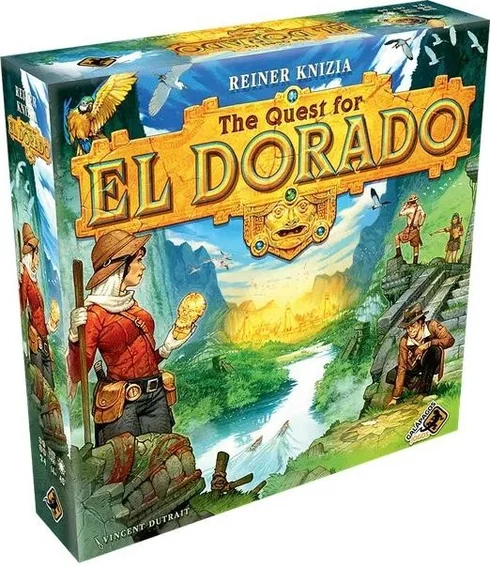 Ages 10+★ 4.2
Winning the race through the jungle with a growing deck of cards: accessible deck-building with constant forward momentum.
Editors' pickHere you will find all the games that we mark as “Editors' pick” on this website, sorted by the publisher's recommended age. Each of them has its own review, with a description of how it plays and a skills profile. The age groups are a guide: whether a game suits your child also depends on their preferences, patience and experience of playing games.
It is a rough guide, because children of the same age are very different. It is better not to give a game too early: a child who keeps failing soon loses the joy of it. There is no upper limit: many games stay appealing well beyond the minimum age. The choking-hazard warning “Not for children under 3 yrs.” is a different matter: it points to dangers for small children, such as small parts that could be swallowed. Take it seriously, especially if there are younger siblings in the house.
Children only learn to lose little by little; between the ages of three and six, they do not have to manage it yet. Games in which everyone wins or loses together take the pressure off. Examples in this selection are Bandido from age 6, Just One and The Game: Quick & Easy from age 8, and Sky Team from age 10. In one-player puzzle games such as Camelot Jr., nobody loses. In competitive games, short playing times and adults at the table help: when everyone sometimes wins and sometimes loses, a child finds it easier to shrug off a defeat.
In games that call for dexterity, concentration, stamina or sticking to rules, the younger child is almost always at a disadvantage, and the older one feels held back. Games without right and wrong, such as Rory's Story Cubes Classic, cooperative games or teams made up of a younger child and an adult are a better fit. Let the older children explain: both benefit.
Usually one that suits the child well is enough. Overflowing toy boxes tend to overwhelm children rather than stimulate them; experts advise fewer but long-lasting toys that can be added to over time. That works well with games: for Rush Hour there are extra challenge cards, for Dixit new picture cards. In any case, what matters more than the price is that someone plays along: better briefly and with undivided attention than for a long time and half-heartedly.