 ★ 4.4
Editors' pick
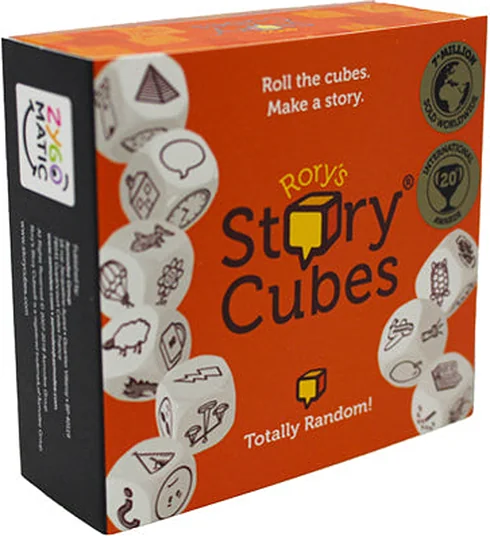
Rory's Story Cubes Classic
Nine picture dice, endless stories: a storytelling game with no winners or losers.
Executive functions are the skills we use to control our thinking and actions. Developmental psychology distinguishes three core areas. Impulse control (inhibition) means holding back a spontaneous reaction; working memory keeps information in mind and works with it; and cognitive flexibility means adapting your thinking when the rules or the situation change. Children are not born with these skills, but they are born with the potential to develop them. The skills grow rapidly between the ages of three and five and continue to mature into young adulthood. During the school years, they are linked to reading and math performance.
Board games offer many opportunities to practice them. In Halli Galli or Taco Cat Goat Cheese Pizza, players have to slap down at the right moment and otherwise keep their hand still. In Rat-a-Tat Cat, Cabo or Hanabi, players remember hidden cards and update what they have memorized after every swap or clue. In Cockroach Salad or Dodelido, the obvious answer is on the tip of your tongue, and that is exactly the one that keeps turning out to be wrong. Ghost Blitz requires braking and rethinking at the same time: with every card, players decide afresh whether to grab straight away or first rule things out.
Two questions help when choosing. What does your child still find difficult: waiting, remembering or switching? And is the challenge right? A good game challenges without overwhelming and can be made harder. Several games come in a junior edition, which younger children can start with before moving on to the version for older players.
★ 4.4Nine picture dice, endless stories: a storytelling game with no winners or losers.
 ★ 4.3
Everyone builds their own word grid at the same time: Scrabble without a board, but with speed instead.
 ★ 4.3
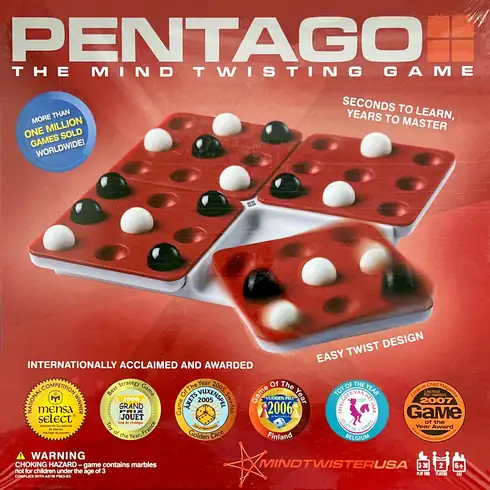
Get five marbles in a row, but after every marble a quarter of the board turns. Strategy that keeps you rethinking.
 Ages 8+★ 3.7
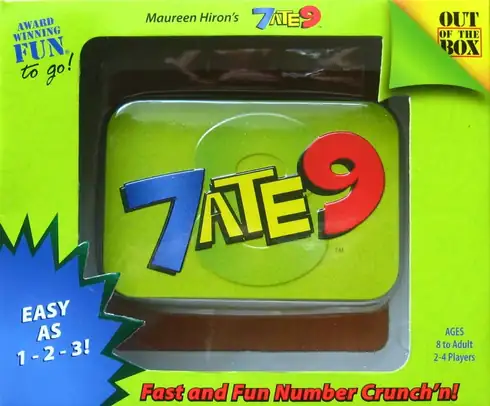
Everyone plays at once: the next card must be the top card's value plus or minus its number. Quick mental math under time pressure.
Editors' pick Ages 6+★ 3.9
Turn over cards and slap lightning-fast when the right picture appears: a boisterous reaction and card game for the whole family.
Editors' pickAges 7+★ 4.3Everyone builds their own word grid at the same time: Scrabble without a board, but with speed instead.
Editors' pick Ages 6+★ 3.7
Use the magnetic wand to fish out only your own bells: a delicate touch meets a careful weighing of risks.
Editors' pick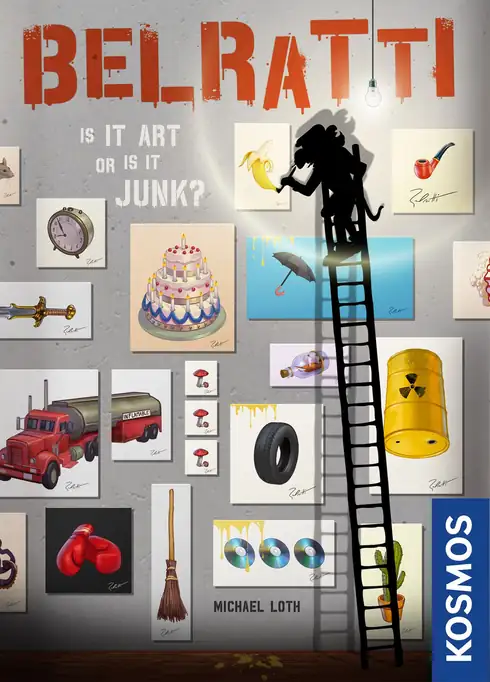 Ages 8+★ 4.0
The painters supply matching pictures, and the museum management has to spot the forgeries Belratti has slipped in: a charming cooperative association game.
Editors' pick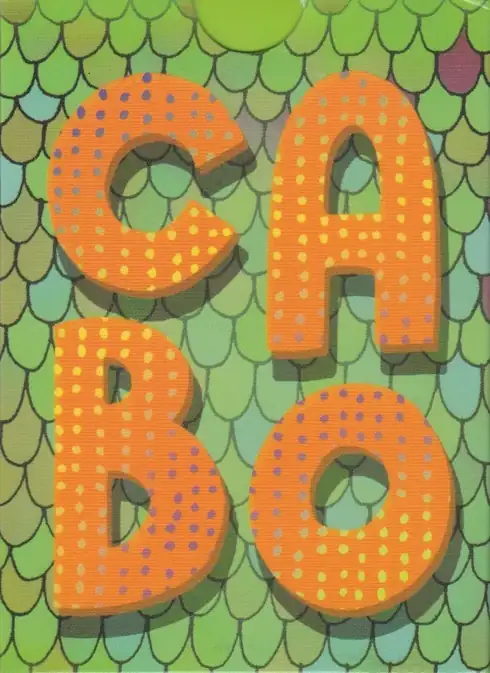 Ages 8+★ 3.8
Keep your face-down cards as low as possible, swap cleverly and call “Cabo” at the right moment: memory meets bluffing.
Editors' pick Ages 9+★ 4.2
Combine dice cleverly and advance on up to three routes, but whoever keeps rolling too greedily loses the whole turn. A classic of weighing risks.
Editors' pick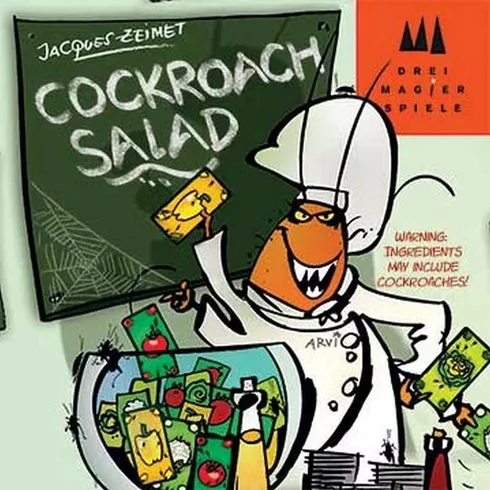 Ages 6+★ 4.2
Say “lettuce” when there is a pepper on the pile: a Stroop test turned party game, and wonderfully tricky.
Editors' pick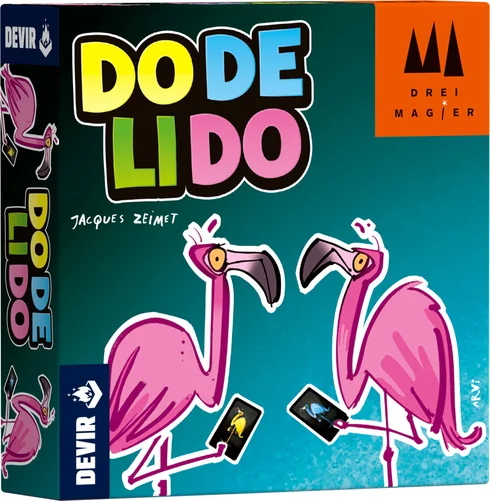 Ages 8+★ 3.9
Call out in a flash what appears most often: color? Animal? Or is it “Dodelido” after all? Sounds easy. It is not.
Editors' pickPlay cards and count aloud: whoever reaches 99 or more, or hits a number with two identical digits, loses a chip.
Editors' pickGrab the right object, or the one that is not shown at all: reaction speed and impulse control under time pressure.
Editors' pickExactly five of the same fruit? Ring the bell! The reaction classic par excellence, and secret practice in grasping quantities.
Editors' pickTwo matching clowns? Hit the bell! The classic reaction game in a version without counting, from age 4.
Editors' pick Ages 8+★ 3.9
Everyone can see your cards except you: a cooperative fireworks display for the memory.
Editors' pick Ages 10+★ 4.1
As master builders in ancient Egypt, ship stones by boat and erect monuments: tactical deliveries with constant rivalry.
Editors' pick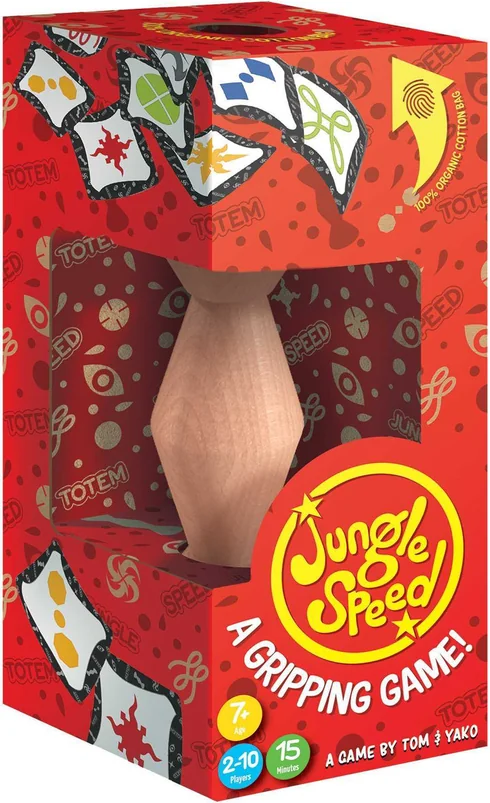 Ages 7+★ 4.2
Matching symbols? Grab the totem in a flash, but the symbols are fiendishly similar.
Editors' pick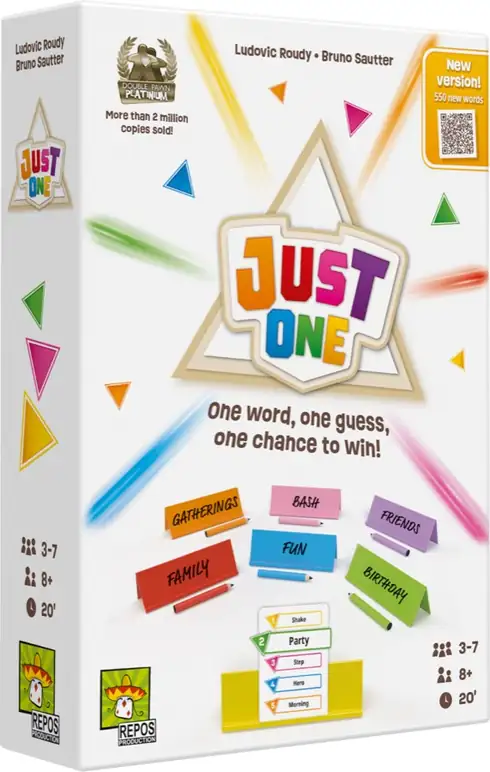 Ages 8+★ 4.1
Everyone writes a clue, and duplicates are crossed out: the most warm-hearted word game of recent years.
Editors' pick Ages 10+★ 4.0
Two players launch expeditions and lay cards in ascending order, but every expedition started must first earn back its cost of 20 points. A thrilling duel.
Editors' pick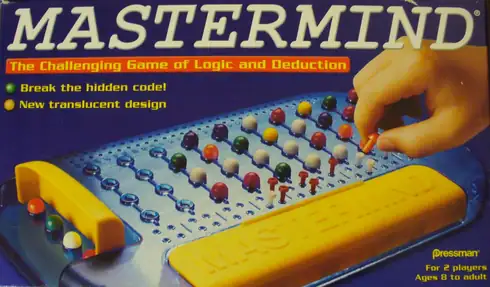 Ages 8+★ 4.0
Crack the secret color code: deduction in its purest form, the classic logic game for two.
Editors' pick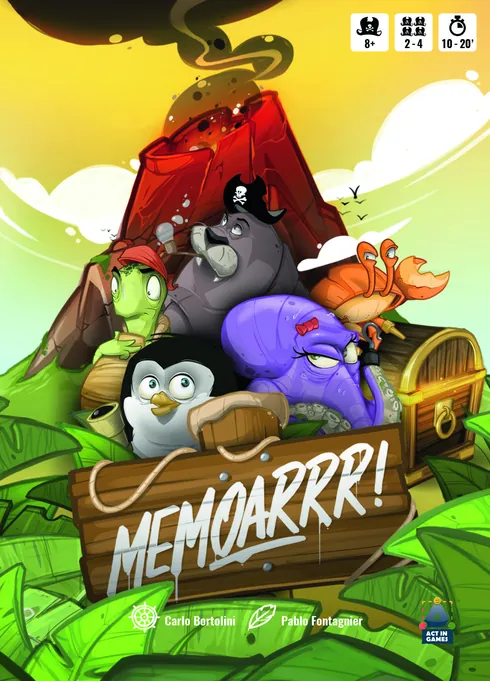 Ages 8+★ 4.2
A memory game (matching pairs) for advanced players: only cards that match may be turned over, and anyone who slips up is out.
Editors' pickMemorize a picture for ten seconds, then answer questions about it: a memory game in a pocket-sized box.
Editors' pick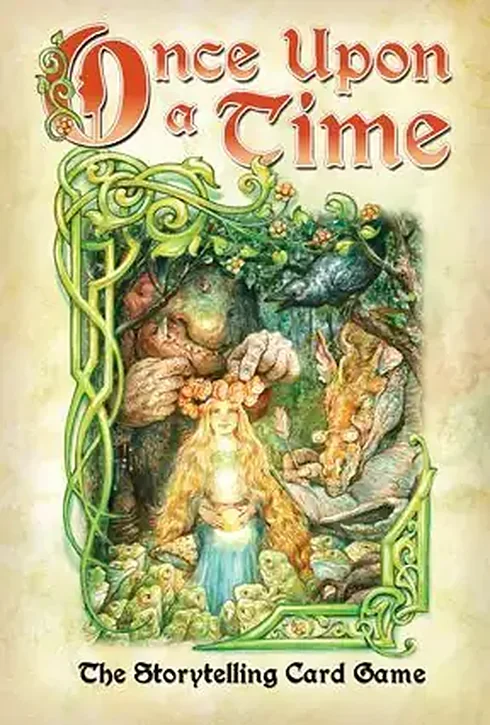 Ages 8+★ 3.9
Invent a fairy tale together and use story and ending cards to steer it cleverly to your own ending: an imaginative storytelling game.
Editors' pick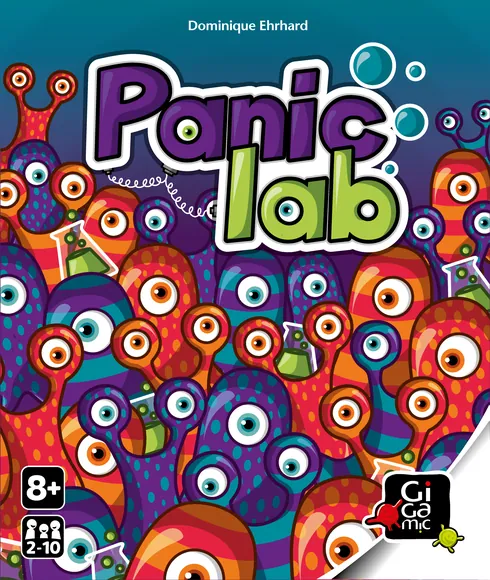 Ages 8+★ 4.0
Amoebas on the run: the dice show which one is wanted, but the way there follows devious rules.
Editors' pickAges 8+★ 4.3Get five marbles in a row, but after every marble a quarter of the board turns. Strategy that keeps you rethinking.
Editors' pick Ages 14+★ 4.2
Reveal ships and secure your winnings before you push your luck too far: an exciting push-your-luck card game in a pirate harbor.
Editors' pickStack or line up five cups at lightning speed, as the card shows, then hit the bell!
Editors' pick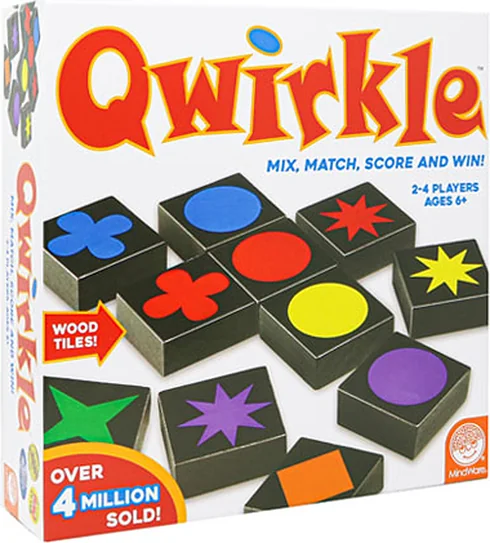 Ages 8+★ 4.0
Place colors and shapes cleverly: Spiel des Jahres 2011 (German game of the year award) and a classic family strategy game.
Editors' pick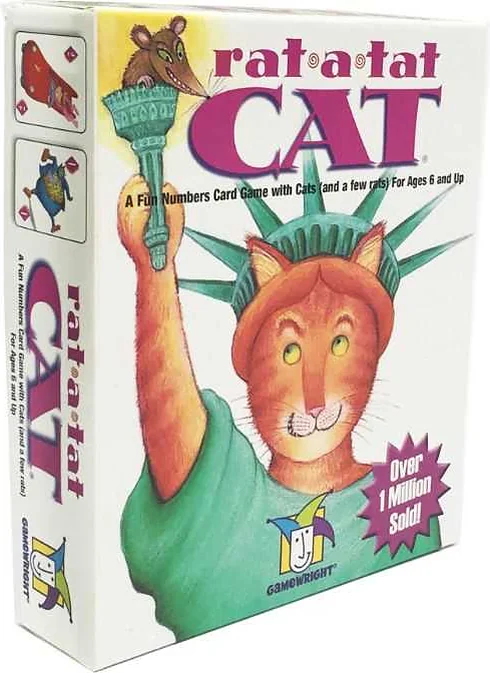 Ages 6+★ 3.9
Keep your face-down cards low: whoever forgets which card is where swaps their way to ruin.
Editors' pick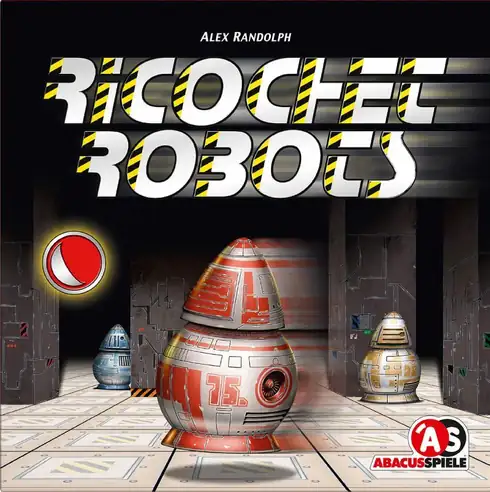 Ages 10+★ 3.9
Get robots to the target in as few moves as possible: they slide until they hit an obstacle. Puzzle-solving for everyone at once.
Editors' pickAges 6+★ 4.4Nine picture dice, endless stories: a storytelling game with no winners or losers.
Editors' pick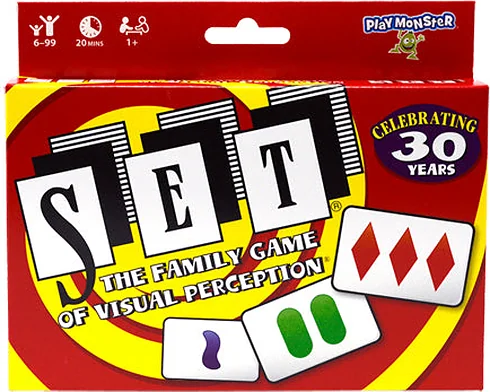 Ages 6+★ 4.1
Four features, one glance: whoever spots a valid set first may take it. Concentration in its purest form.
Editors' pickEveryone rummages through a wild heap of socks at the same time, looking for pairs: searching fun at high speed.
Editors' pick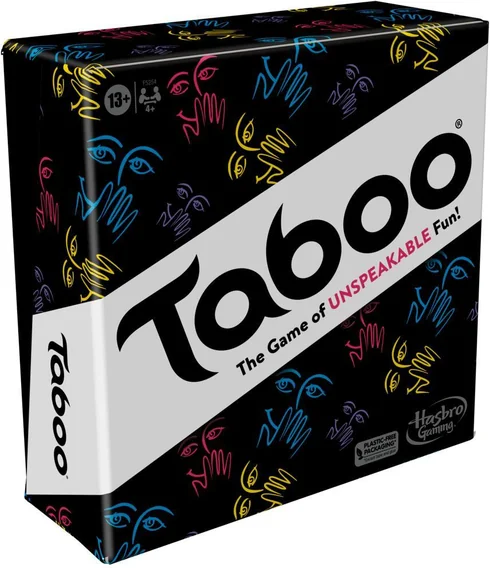 Ages 13+★ 4.1
Explain a term without using the five most obvious words: creative paraphrasing against the ticking clock, as a team.
Editors' pick Ages 4+★ 4.2
Guessing taco, kitten or pizza and turning over the card: when a Candy card appears, everyone slaps the middle. A reaction game for children.
Editors' pick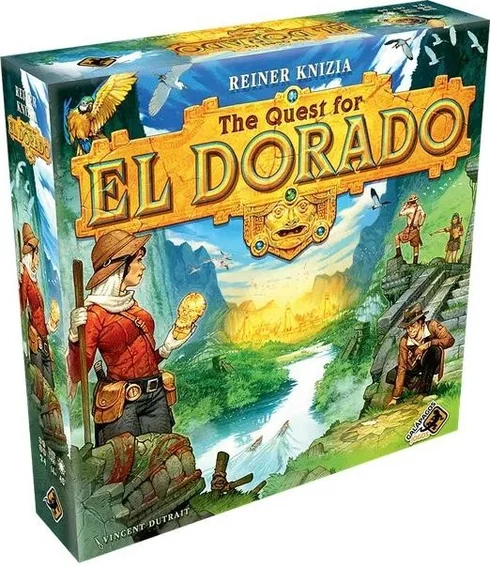 Ages 10+★ 4.2
Winning the race through the jungle with a growing deck of cards: accessible deck-building with constant forward momentum.
Editors' pick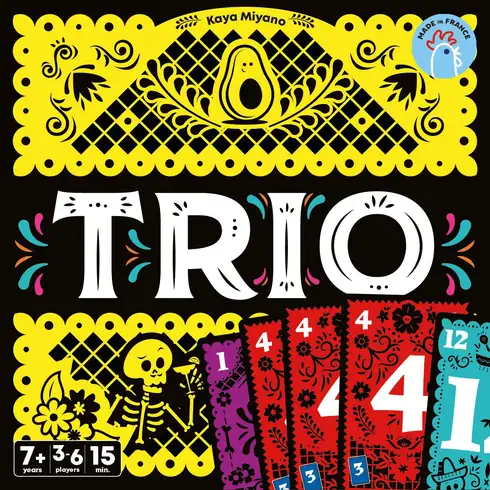 Ages 7+★ 4.0
Revealing hidden numbers and collecting three of a kind: whoever keeps track and guesses boldly wins. A simple, punchy game idea.
Editors' pick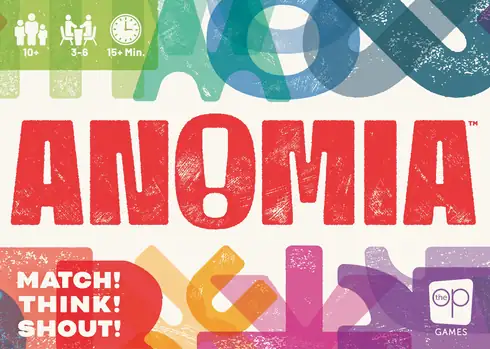 Ages 10+★ 4.0
When two symbols match, shout out an example for the other player's category at lightning speed and win their card: a fast-paced word-finding game for groups.
Both players play at the same time, laying cards on matching piles in a flash: whoever is out of cards first wins. Pure reaction speed.
 Ages 8+★ 4.3
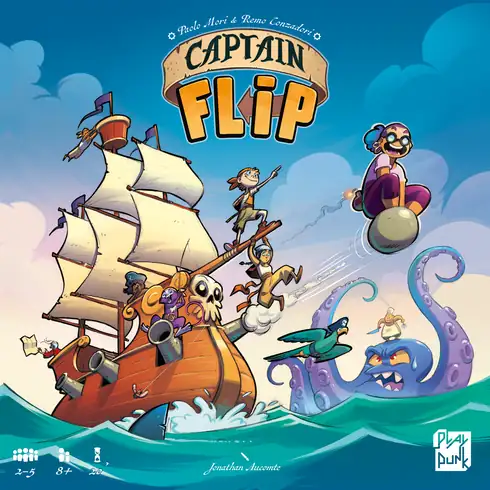
Draw a tile and decide: keep the visible character or flip it and hope for the other side? A light push-your-luck game with pirate charm.
 Ages 10+★ 3.9
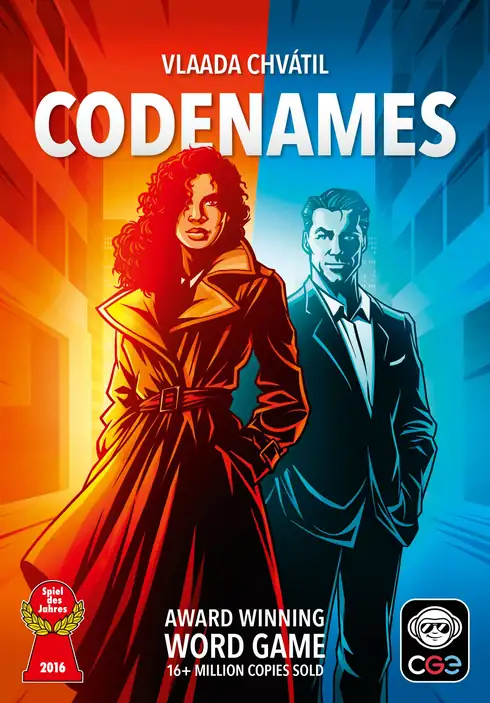
Two teams, a grid of words: get your team to guess as many of its own words as possible from a single clue word. Pure wordplay and association.
 Ages 10+★ 3.9
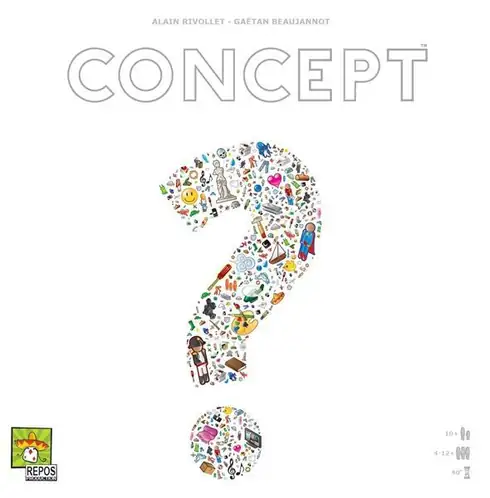
Explain terms using only symbols on the board: no words at all, but plenty of deductive skill as a team.
 Ages 8+★ 4.2
Push deeper into the mine or get out with the loot in time? A shared risk in which greed is often punished.
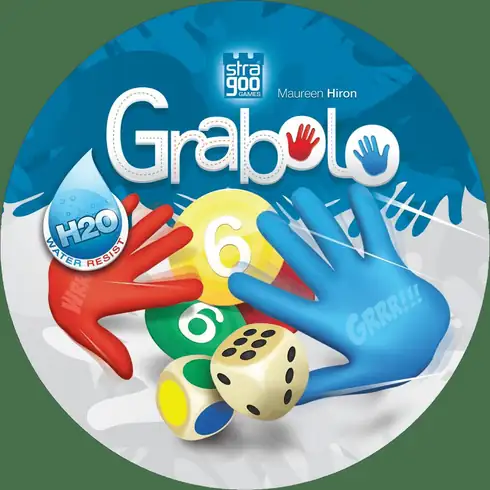 Ages 6+★ 3.9
Roll the dice, then race to grab the card in the color and number shown: a fast-paced perception and reaction game.
 Ages 10+★ 4.0
Two players use cards to build bridges between islands and win majorities: a close, tactical tug of war for supremacy.
 Ages 8+★ 4.3
Everyone lays the same path tiles at the same time and guides their adventurers to the temples: a tricky race on a jungle island.
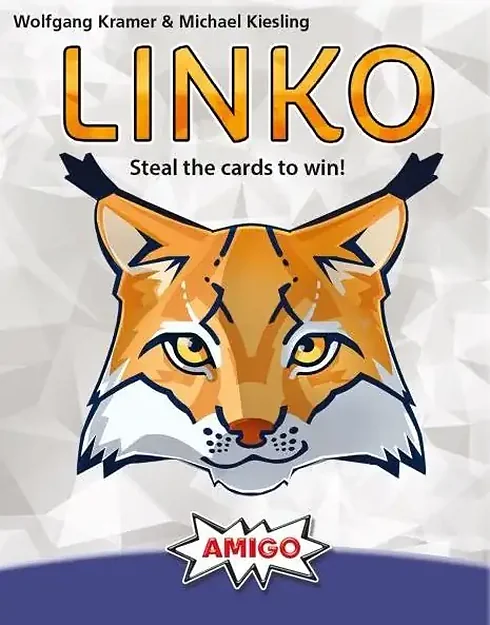 Ages 10+★ 4.0
Play cards and snatch the same number of lower cards from the other players: a mean, fast card-shedding game by Kramer and Kiesling.
 Ages 10+★ 3.8
Build a city with Tetris-style pieces over several games while it changes for good: an accessible legacy game for the family.
 Ages 5+★ 3.6
The children's version: remember tiles, collect goods and build your very first hut. Memory and planning for children as young as five.
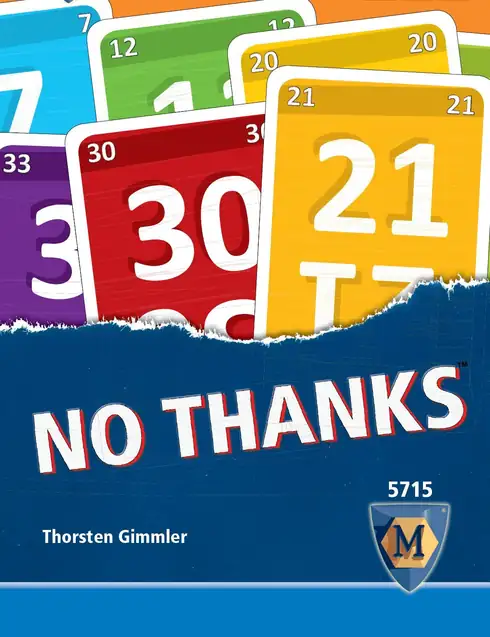 Ages 8+★ 4.2
Take the card or pass it on with a token? Keep your score as low as possible: a minimalist push-your-luck game with surprising depth.
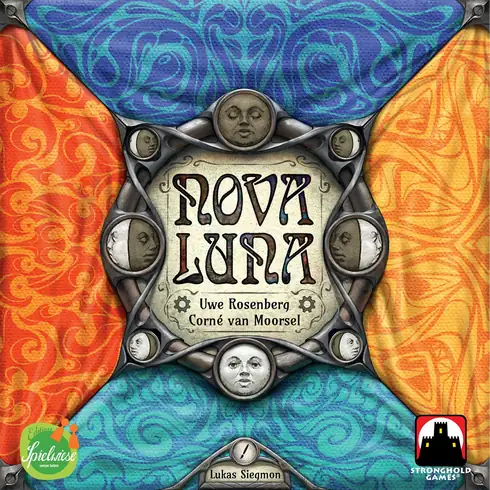 Ages 8+★ 3.9
Choose tiles and complete tasks based on color patterns while the moon decides the turn order: calm, tricky optimizing.
Pull sticks out of the pile one at a time without moving any of the others: steady hands and patience in a timeless game of dexterity.
 Ages 8+★ 4.3
Recreate a photo with strings, stones or sticks for others to guess: a creative, warm puzzle party game. Spiel des Jahres 2020 (German game of the year award).
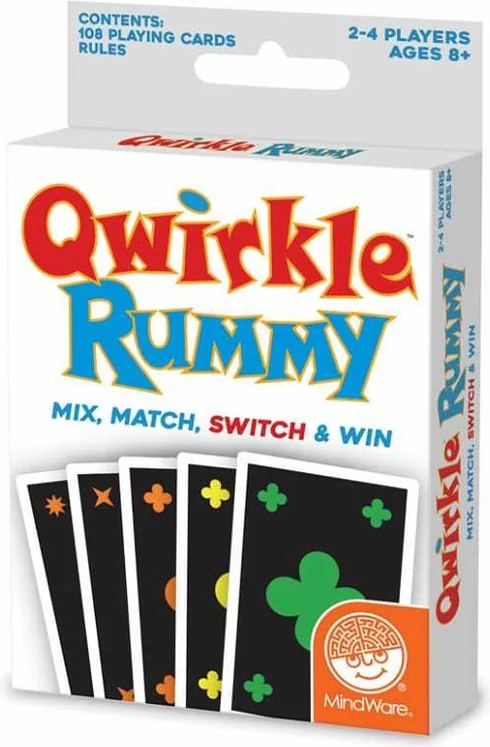 Ages 8+★ 3.8
The card version of the classic: add colors and shapes cleverly and extend rows. A compact pattern-building game for playing on the go.
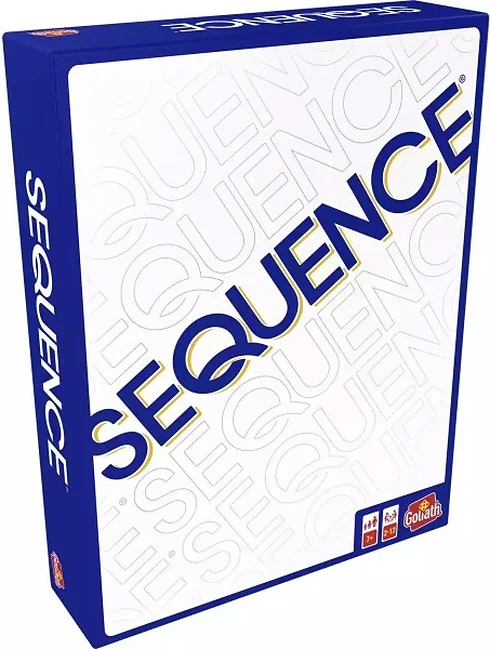 Ages 7+★ 3.9
Use the cards in your hand to claim matching spaces on the board and get five tokens in a row: a card game and a board game in one.
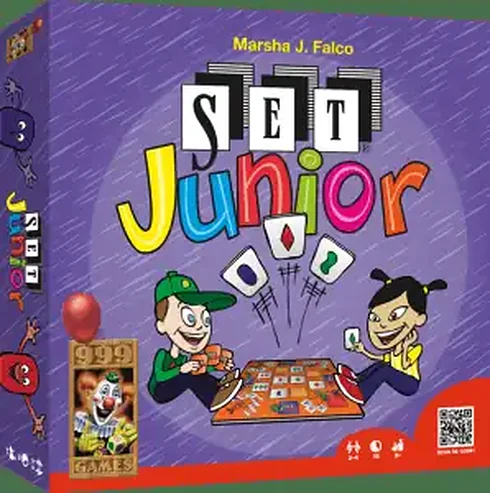 Ages 3+★ 3.7
The beginners' version of the classic perception game: find matching tiles on the board. Pattern recognition from age 3.
 Ages 10+★ 4.2
Lay a rose or a skull face down and bid how many discs you can turn over blind: a pure battle of bluff and nerves.
 Ages 8+★ 3.8
Predict your tricks exactly and fight with pirate trumps: a lively trick-taking game with plenty of gloating.
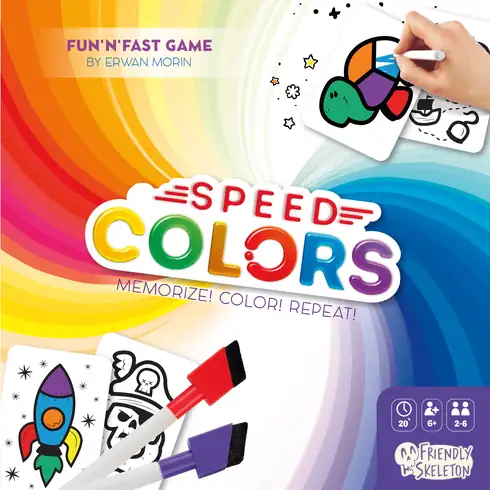 Ages 6+★ 4.2
Memorize a picture, then color it in correctly from memory as fast as possible: memory, speed and fine motor skills combined.
The classic word game with categories as a fast card game: find words for a letter and a category in a flash, vocabulary under time pressure.
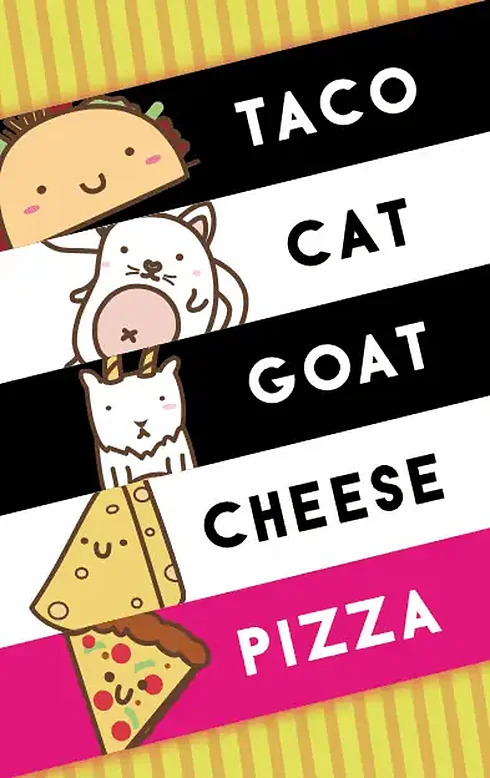 Ages 8+★ 4.0
Take turns flipping cards and saying the words in sequence; when picture and word match, everyone slaps as fast as they can. Delightfully silly reaction chaos.
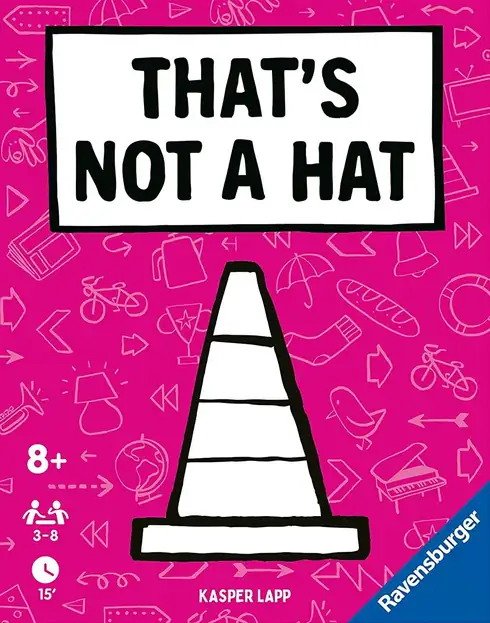 Ages 8+★ 3.9
Passing presents on face down and remembering what is where: anyone who fibs may get caught out. A mean little memory and bluffing game.
 Ages 10+★ 4.0
A trick-taking game for two with clever special cards, but anyone who greedily takes too many tricks ends up empty-handed. A fine tactical duel.
 Ages 8+★ 4.0
Play cards in ascending order without saying a word: the team has to develop a silent feel for one another. Fascinatingly unusual.
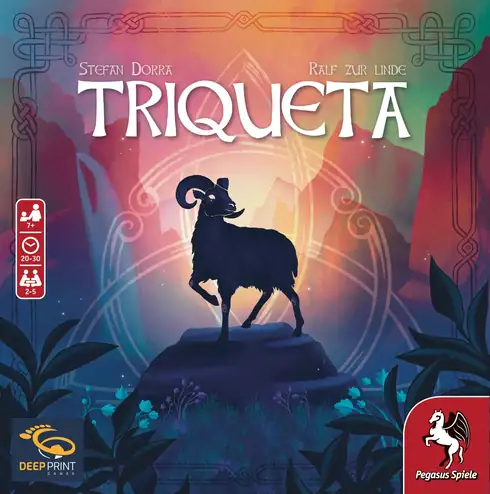 Ages 7+★ 3.8
Boldly collect sets of three tiles and secure them at the right moment: an accessible push-your-luck tile-laying game for the whole family.
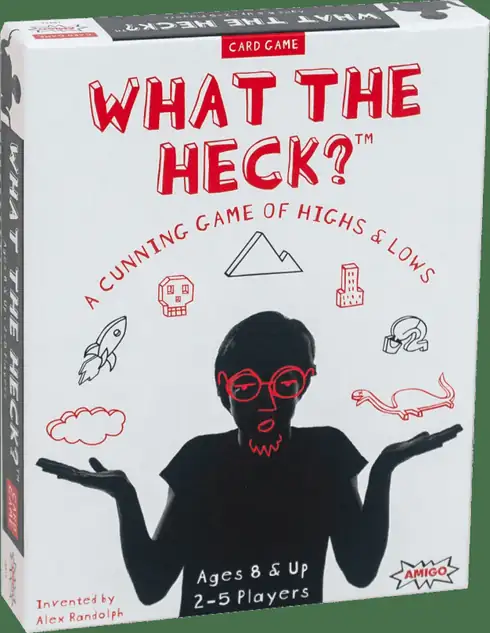 Ages 8+★ 4.0
Everyone picks a number card at once: the highest wins the meerkat, the lowest gets the vulture, and identical cards cancel out. Clever second-guessing.
This page lists all the games in our collection whose skills profile includes at least one of the three areas impulse control, memory or flexibility. The publishers' recommended ages start at 3 (SET Junior), and most games are recommended from age 6, 7 or 8. Each game has its own review on this website, with a description of how it plays and a skills profile.
The term covers the mental abilities we use to manage ourselves: planning, sustaining attention, holding back impulses and adapting our thinking. In a child's everyday life, this means, for example, waiting until it is their turn, keeping an instruction with several steps in mind and looking for another way when the first one does not work. The specialist literature names three core areas: impulse control, working memory and cognitive flexibility.
Even for children aged 4 to 6, provided the rules are simple. At around four and a half to five, most children can switch to a new rule when sorting. According to studies, switching flexibly between rules from card to card is usually not possible until the age of seven to nine. In this selection, Halli Galli Circus is recommended from age 4 and Cockroach Salad from age 6. Publishers recommend games with rapid rule changes, such as Dodelido or Ghost Blitz, from age 8.
Regularly and with a growing challenge. Research shows that repeated practice is crucial and that the demands have to increase step by step; otherwise progress remains small and interest fades. In practice, this means starting with the junior edition and moving on later, for example from Halli Galli Circus to Halli Galli or from SET Junior to SET. And once the rules are familiar, it is best for the children themselves to make sure they are followed.
No. Board games are opportunities to practice in everyday family life, not a treatment. If you are worried about your child's attention or impulse control, talk to your child's doctor or ask your child's school about specialist support. Good to know: executive functions are the first to suffer when someone is stressed, sad, lonely or overtired. Playing should therefore be fun and not turn into a chore.