 ★ 4.3
Editors' pick
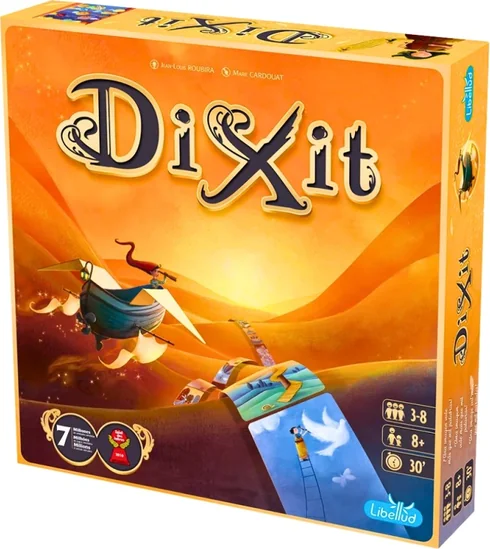
Dixit
Dreamlike pictures, subtle clues: the game that calls for a feel for language and empathy at the same time.
Playing together asks a lot: listening, coordinating with each other, offering and accepting help, resolving arguments and putting yourself in other people's shoes. Experts count this among social skills. In the preschool years, children grasp that other people can believe something that is not true; at around five or six, they increasingly understand what someone thinks about another person's thoughts. Executive functions help here: to change perspective, you have to set aside your own view and keep the other person's in mind.
Cooperative games make this their principle: everyone wins or loses together against the game. In a study with four- and five-year-olds, cooperative behavior increased and aggression decreased during cooperative games, also in free play afterwards; after competitive games, it was the other way round. In Hanabi, everyone sees the other players' cards but not their own, and gives clues that the others have to understand. In Just One, duplicate clues are removed, so players think about what the others will write. In Sky Team, two players land a plane together without talking about their dice.
When choosing, pay attention to age, group size and playing time. Bandido is recommended from age 6, Hanabi, Just One, Dixit and The Game: Quick & Easy from age 8. From age 10, more demanding team games such as Paleo come in, and Bomb Busters from age 14; Paleo takes about an hour. Sky Team can only be played by two, while Just One, Dixit and Belratti need at least three people.
★ 4.3Dreamlike pictures, subtle clues: the game that calls for a feel for language and empathy at the same time.
 ★ 4.2
Work together to block the escape routes of Bandido: a cooperative tile-laying game from Switzerland.
 ★ 4.1
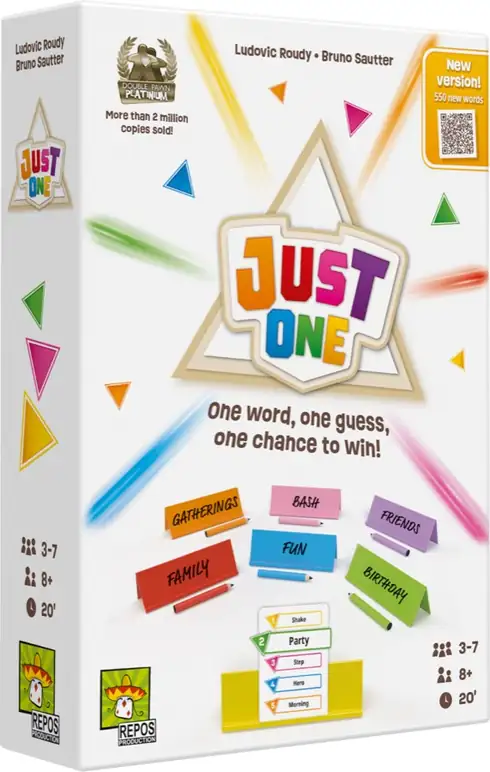
Everyone writes a clue, and duplicates are crossed out: the most warm-hearted word game of recent years.
Ages 6+★ 4.2Work together to block the escape routes of Bandido: a cooperative tile-laying game from Switzerland.
Editors' pick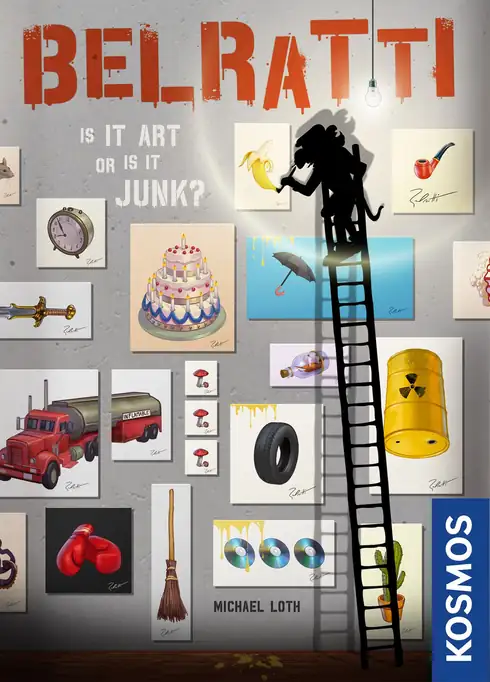 Ages 8+★ 4.0
The painters supply matching pictures, and the museum management has to spot the forgeries Belratti has slipped in: a charming cooperative association game.
Editors' pick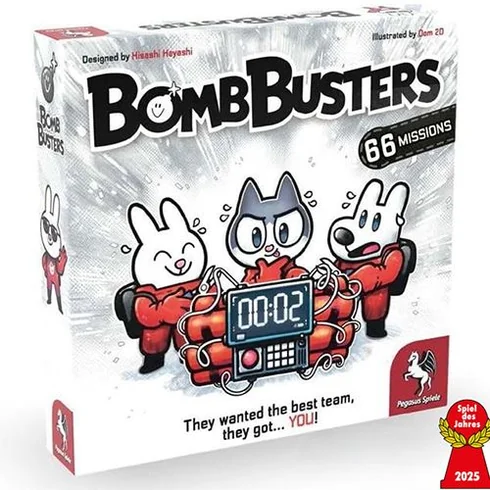 Ages 14+★ 4.0
Defuse a bomb as a team: deduce the values of hidden wires from scant clues and cut them. Spiel des Jahres 2025 (German game of the year award).
Editors' pickAges 8+★ 4.3Dreamlike pictures, subtle clues: the game that calls for a feel for language and empathy at the same time.
Editors' pick Ages 8+★ 3.9
Everyone can see your cards except you: a cooperative fireworks display for the memory.
Editors' pickAges 8+★ 4.1Everyone writes a clue, and duplicates are crossed out: the most warm-hearted word game of recent years.
Editors' pick Ages 10+★ 4.0
Land a plane as a pair: place dice in silence on the right cockpit spaces and work together perfectly. An intense cooperative duel of concentration.
Editors' pick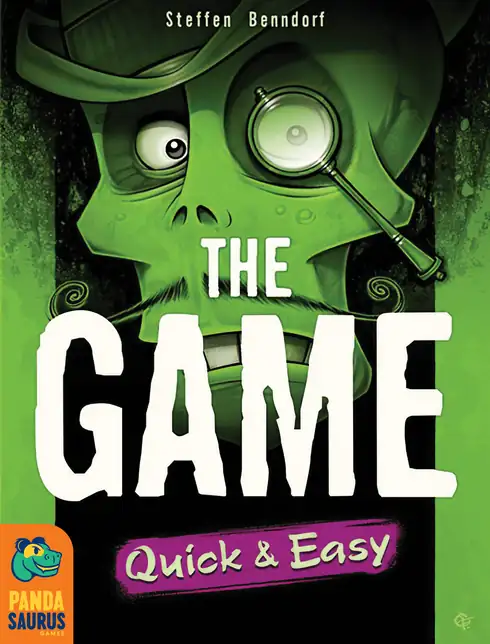 Ages 8+★ 3.9
Together against the deck: play all the cards in ascending or descending order. Talking is allowed, but giving away numbers is not.
Editors' pick Ages 8+★ 4.1
Defeat monsters together in real time before the five minutes are up: hectic, noisy cooperative card chaos.
 Ages 8+★ 3.8
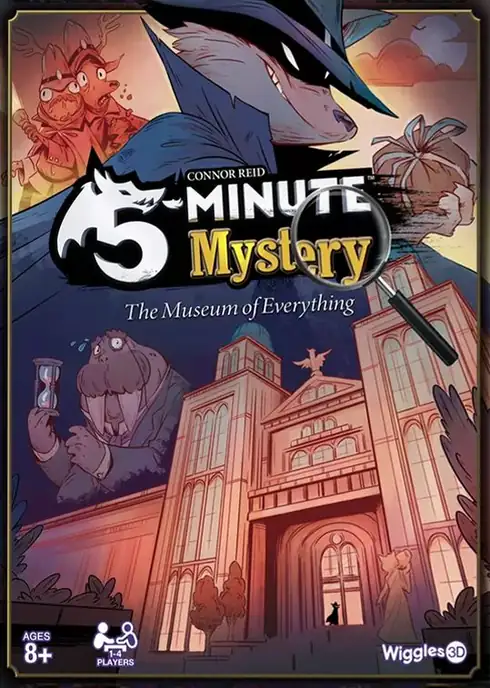
Narrow down the culprit together using symbols, usually in just five minutes: a hectic cooperative real-time deduction game.
 Ages 10+★ 3.9
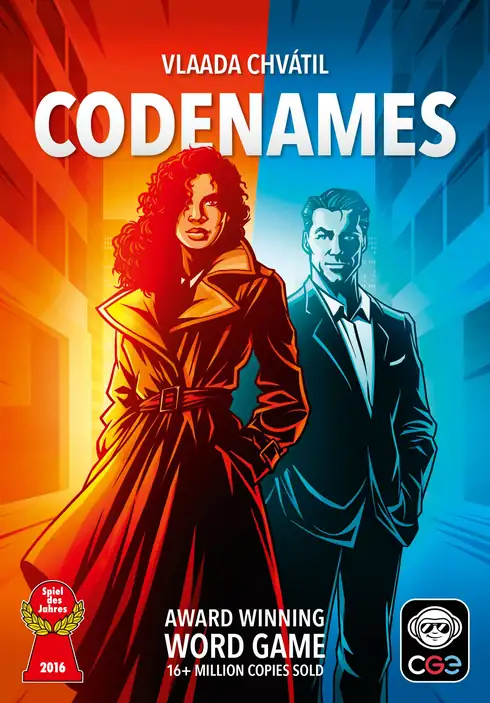
Two teams, a grid of words: get your team to guess as many of its own words as possible from a single clue word. Pure wordplay and association.
 Ages 10+★ 3.9
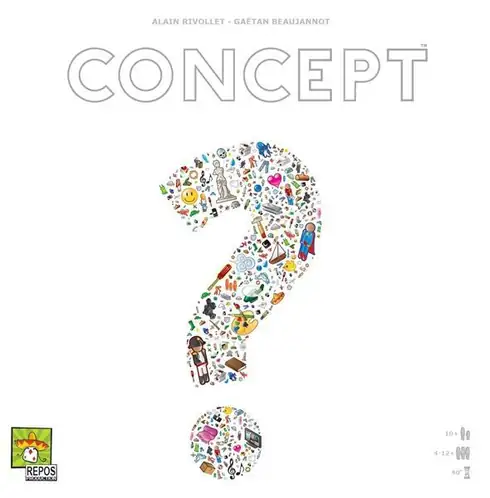
Explain terms using only symbols on the board: no words at all, but plenty of deductive skill as a team.
 Ages 8+★ 4.2
Push deeper into the mine or get out with the loot in time? A shared risk in which greed is often punished.
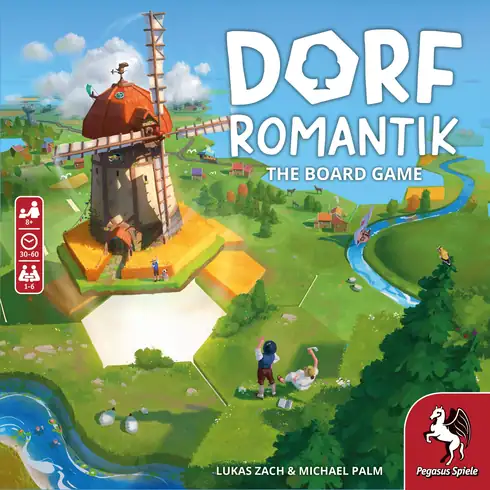 Ages 8+★ 4.2
Lay tiles side by side and let an ever more beautiful landscape grow: a calm, cooperative and absorbing building game.
 Ages 10+★ 4.0
Two players use a fine feel for cards to win the favor of seven geishas: an elegant, highly tactical duel of bluffing.
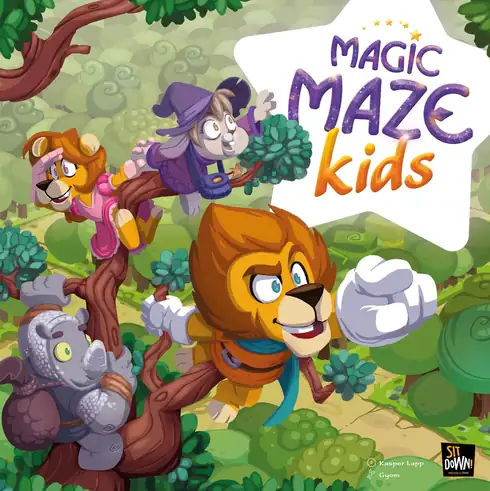 Ages 5+★ 4.2
Guide figures through the maze together, each person only in their own directions: a cooperative game without fixed turns in which talking is allowed.
 Ages 10+★ 3.8
Solve criminal cases step by step on a huge seek-and-find city map: close observation and deduction as a team of investigators.
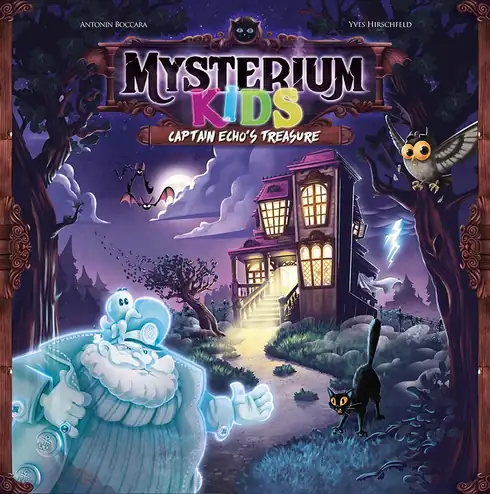 Ages 6+★ 4.3
A ghost gives clues only with sounds on a tambourine, and the team has to work out together what is meant. Cooperative puzzling for children.
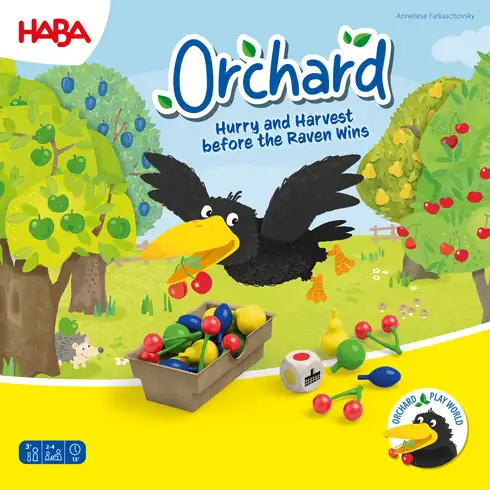 Ages 3+★ 3.8
The cooperative classic for preschool children: harvest all the fruit together before the raven puzzle is complete.
 Ages 10+★ 3.8
Survive the Stone Age together as a clan: manage cards, overcome dangers, build tools. A demanding cooperative adventure.
 Ages 8+★ 3.9
Together against four spreading diseases: find the cures before the world tips over. Cooperative strategy with real thrills.
 Ages 8+★ 4.3
Recreate a photo with strings, stones or sticks for others to guess: a creative, warm puzzle party game. Spiel des Jahres 2020 (German game of the year award).
 Ages 10+★ 4.2
Lay a rose or a skull face down and bid how many discs you can turn over blind: a pure battle of bluff and nerves.
 Ages 14+★ 3.8
One blueprint, three roles: one sees it but may only gesture, another reads the gestures, a third builds blind. Only together does the structure take shape.
 Ages 8+★ 4.0
Play cards in ascending order without saying a word: the team has to develop a silent feel for one another. Fascinatingly unusual.
 Ages 7+★ 4.0
Lock the school gates as a team and chase away zombies before they overrun the school: a beginner-friendly cooperative adventure for children.
Here you will find all the games in our collection that we have assigned to the cooperation skill area. They range from Orchard Game, recommended from age 3, to team games such as Paleo from age 10 and Bomb Busters or TEAM3 GREEN from age 14. Most of these games are cooperative; in addition, there are games in which you have to judge how the others think, such as Dixit, Codenames or Skull. Most also belong to another skill area, such as language in Just One and Dixit or memory in Hanabi. Each game has its own review on this website, with a description of how it plays and a skills profile.
In cooperative games, the players do not compete against each other but play together against the game: the whole group wins or loses together. In Pandemic, for example, the team looks for cures for four diseases; in Bomb Busters, it defuses a bomb together. Most games in this selection work this way. Not all of them: in Dixit, Concept and Pictures, points count and you have to judge how the others think. In Codenames, two teams play against each other, and in Skull, Diamant and Hanamikoji, the challenge is to read the other players.
They are a good way in. Because the group wins or loses together, nobody triumphs over another child, and a defeat can be talked through together: what will we do differently next time? In a study with four- and five-year-olds, children showed more cooperative and less aggressive behavior during cooperative games than during competitive games. Short games such as Bandido or The Game: Quick & Easy are good for getting started. However, this does not practice losing against others; for that, this selection includes Dixit.
In the preschool years, children grasp that someone can believe something that is not true. At around five or six, they increasingly understand what someone thinks about another person's thoughts; depending on the task, this happens earlier or later. Language and executive functions are linked to this. Hanabi, Just One and Belratti, recommended from age 8, require exactly that: which clue will the other person understand?
One person ending up deciding for everyone is considered a pitfall of cooperative games. Let each child choose their own move, and hold back on advice. In Hanabi, Just One and Sky Team, the rules themselves limit how much players may tell each other; that makes it harder to decide for others. If there is an argument about a move, simple methods such as tossing a coin or drawing straws help.