How it plays
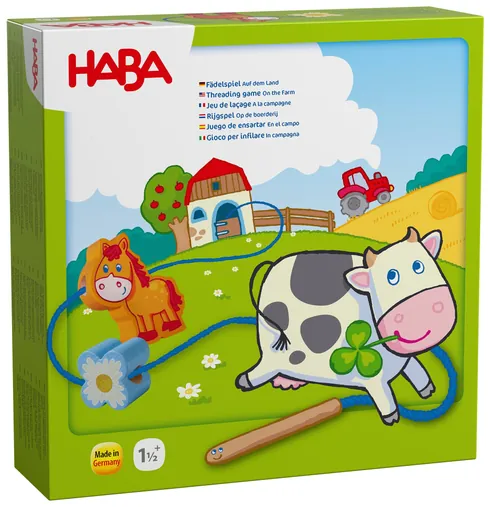
Under the name “Fädelspiel”, HABA offers several sets for the very youngest, including “Auf dem Land” (sold by HABA as “On the Farm Threading Game”). Wooden pieces are threaded onto a cord. On the Farm Threading Game comes with two threading cords, farm figures made of beech wood, challenge cards and a touch-and-feel bag. Free threading is possible at any time.
What it can help develop
When threading, the hands share the work: one holds the wooden piece steady, the other brings the tip of the cord up to it. This two-handed coordination is also needed for writing, cutting and getting dressed. Hand-eye coordination comes in too: aiming at the hole, pushing the cord through, grasping it again on the other side and pulling it through. Children who thread according to a card compare colors and stick to a short sequence.
Especially suitable for
- Toddlers up to about age three who enjoy grasping things
- Quiet moments together with an adult
- Naming first colors and copying sequences
Less suitable for
- Children under 18 months: not suitable according to HABA
- Children aged 4 to 6 who already need trickier threading sets
Our verdict
On the Farm Threading Game from HABA is a worthwhile choice for toddlers from 18 months who enjoy grasping things, and as quiet time together with an adult. It calls for hand-eye coordination, and a few customer reviews praise the workmanship of the wooden pieces. Its limitations are the long cord, which requires supervision, independent threading, which developmental overviews tend to place at two to three years, and older children’s need for more demanding sets.
Getting started
- Start with short sessions and sit close by while your child plays.
- Once threading works reliably, HABA offers more complex versions for children of about three, such as “Bauernhof-Freunde” (from age 3).
In detail
Variants and player count
In its German range, HABA currently lists the threading sets “Holztiere”, “Auf dem Land”, “Bambini Perlen” and “Bauernhof-Freunde”; HABA sells “Auf dem Land” in the USA as On the Farm Threading Game. According to HABA, “Auf dem Land” is suitable from 18 months. The set contains two threading cords, four challenge cards and a touch-and-feel bag; the beech wood figures include a cow, a calf, a horse and a foal. HABA warns of a risk of strangulation.
What reviewers say
There are hardly any expert reviews of the sets. For “Auf dem Land”, testberichte.de shows 5.0 stars from three customer reviews at Otto.de. In its guide, HABA names threading figures and large beads for children from 18 months and more complex versions at about three years. In its milestones, St. Jude Children’s Research Hospital places threading beads in the age band of 2 to 3 years, and Children’s Healthcare of Atlanta places threading large beads at three years. A guide on kita.de says that a threading game for toddlers is not a toy to leave them alone with: an adult should sit close by, hold the cord at first and keep sessions short.
How it compares
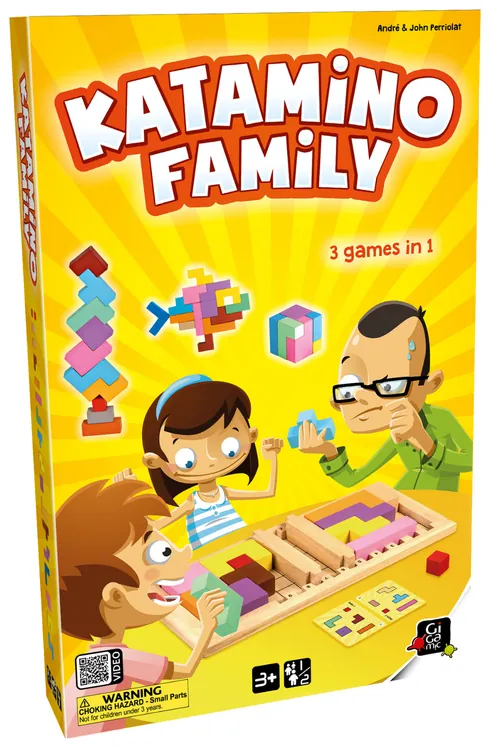
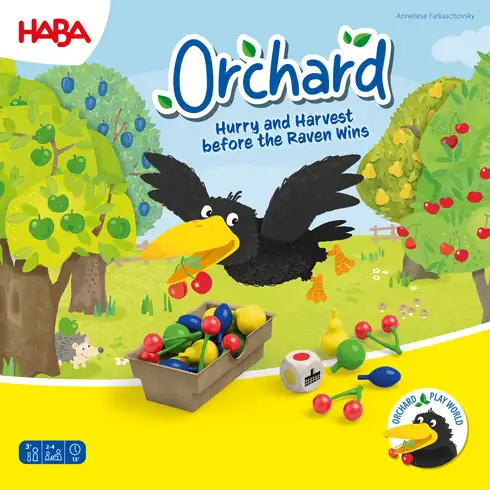
Orchard Game (from age 3, 1 to 8 people, about 10 minutes) shares fine motor skills with On the Farm Threading Game and adds cooperation; it is suitable as a very first game with rules for three-year-olds. Katamino Family (from age 3, 1 to 2 people, about 15 minutes) shares fine motor skills, also calls for logic and planning and offers three-year-olds animal figures to copy. Katamino Family suits children who like arranging, stacking and puzzling things out alone. On the Farm Threading Game (from 18 months, 1 person, flexible playing time), by contrast, suits toddlers up to about age three who enjoy grasping things and quiet moments together with an adult. It is less suited to children aged 4 to 6 who already need trickier threading sets.
Sources
- HABA: Fädelspiele (product range, in German)
- HABA: Fädelspiel Holztiere (product page, in German)
- HABA: Fädelspiel Auf dem Land (product page, in German)
- testberichte.de: HABA Auf dem Land (customer reviews, in German)
- HABA: guide to fine motor skills with threading games (in German)
- St. Jude Children’s Research Hospital: improving fine motor skills
- Children’s Healthcare of Atlanta: fine motor skills (fact sheet, PDF)
- kita.de: guide to threading games (in German)
Frequently asked questions
What age is On the Farm Threading Game suitable for?
On the Farm Threading Game is recommended from 18 months and, according to HABA, is not suitable for younger children. According to developmental overviews, children tend to manage threading on their own between the ages of two and three; before that, they need an adult with them. Children aged 4 to 6 who need more of a challenge are better served by trickier threading sets.
How long does the game take and how many people can play?
On the Farm Threading Game is a solo game for 1 child, and the playing time is flexible: free threading is possible at any time, and the cards offer additional challenges. For toddlers, one guide recommends short sessions with an adult nearby.
What skills can On the Farm Threading Game help develop?
It can help develop fine motor skills, especially hand-eye coordination, because the child has to hit the hole and pull the cord through. Both hands share the work, an important foundation for writing, cutting and getting dressed.
Is On the Farm Threading Game safe?
HABA warns about the long cord and the risk of strangulation. One guide describes threading games for toddlers as toys to be played with an adult sitting close by, not as an activity to leave a child alone with.