How it plays
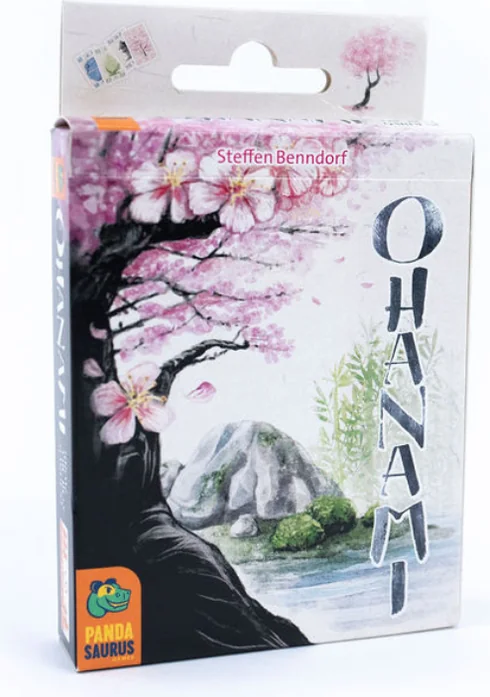
Each of the 120 cards shows a number from 1 to 120 and a motif: water (blue), plants (green), stones (gray) or cherry blossom (pink). In each round, everyone receives ten cards, chooses two face down at the same time as the others, passes the rest on and places cards until all hands are empty. Each chosen card goes into one of the player’s gardens (rows), of which there can be at most three, above the highest or below the lowest number, or onto the discard pile. Scoring takes place three times, each time with more colors. The highest total wins.
What it can help develop
Ohanami calls for planning ahead across three scorings: a blue card from round 1 counts three times, pink only at the end, but each additional pink card is worth more. Number sense comes in too: anyone who places the 64 directly after the 30 can never play the numbers in between. Impulse control is also needed: the card that scores immediately is not always the wisest choice; sometimes discarding is better than blocking a garden.
Especially suitable for
- Children from age 8 who are confident with numbers and enjoy puzzling things out
- Short games of around 20 minutes
- First experiences of card drafting
Less suitable for
- Children who are unsure of numbers up to 120
- Anyone looking for lots of interaction and action
Our verdict
Ohanami is a worthwhile choice for children from age 8 who feel confident with numbers up to 120 and for families who would like a first experience of card drafting. The rules are simple, the decisions surprisingly tricky, and a game takes around 20 minutes. In 2022, Mensa included the English edition among its “Recommended Games”. Its limitations are a theme that feels arbitrary and little interaction between players.
Getting started
- Explain the staggered scoring first: blue counts after every round, green from the second round, gray and pink only at the end.
- Aim for small steps between numbers: large gaps in a row limit later options.
In detail
Variants and player count
According to NSV, Ohanami is a card game for 2 to 4 people from age 8; rules are available in German and French, among other languages. According to Wikipedia, it was published by NSV in January 2019 (designer Steffen Benndorf), with a playing time of about 20 minutes. According to the English NSV rules on RulesPal, blue scores 3 after every round, green 4 from round 2 and gray 7; pink is scored at the end using a table. With two players, the hand that is passed on comes back, reduced by the other player’s choice.
What reviewers say
According to Wikipedia, the English edition from Pandasaurus Games (2020) was on the Mensa Recommended Games list in 2022. Reich der Spiele praises rules that are quick to learn, fitting illustrations and the appeal of the staggered scoring. The interchangeable theme and a slight annoyance factor are criticized there, because a neighboring player determines the last two cards of the draft. A French review (gusandco.net) praises the attractive components and simple rules, but complains that the theme is hardly integrated and that there is hardly any interaction. Opinionated Gamers praises the simple rules and surprisingly difficult decisions in a short playing time. Meeple Mountain calls the rules simple and the decisions deep.
How it compares
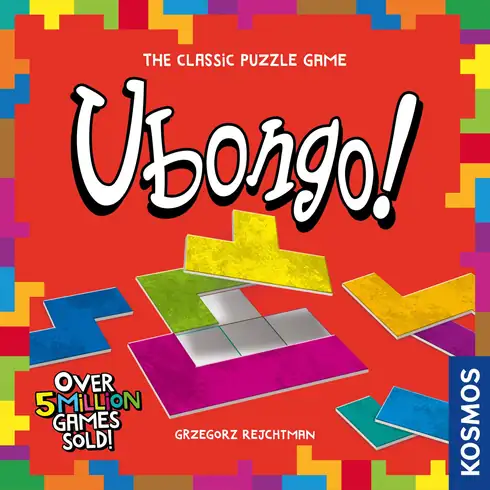
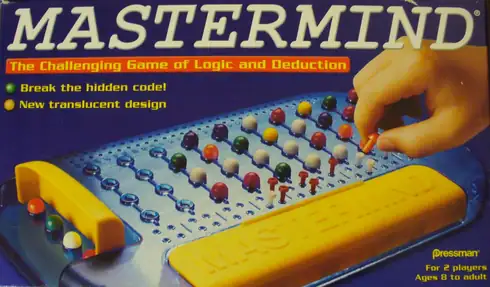
Ubongo (from age 8, 1 to 4 people, about 25 minutes) shares the recommended age as well as logic and planning with Ohanami; instead of numbers and arithmetic, Ubongo has perception and speed. Mastermind (from age 8, 2 people, about 20 to 40 minutes) shares the recommended age as well as logic and planning with Ohanami and has memory instead of numbers and arithmetic. Ohanami suits children from age 8 who are confident with numbers and enjoy puzzling things out, and games of around 20 minutes. Ohanami is less suited to children who are unsure of numbers up to 120 and to players looking for lots of interaction and action.
Sources
Frequently asked questions
What age is Ohanami suitable for?
Ohanami is recommended from age 8. Children who can find their way around numbers up to 120 and enjoy weighing things up are ready. Anyone who is unsure with these numbers struggles, because each card has to continue the row up or down.
How long does a game take and how many people can play?
A game takes about 20 minutes. The game is for 2 to 4 people, who play against each other, all at the same time; after three scorings, the highest total wins.
What skills can Ohanami help develop?
It can help develop logic and planning as well as numbers and arithmetic. For example, players have to consider whether a card scores immediately or brings in more later, and large gaps in a row block the numbers in between.
Is there much interaction in Ohanami?
Very little: one review notes little direct interaction. At most, there is a slight element of annoyance, because the player next to you determines the last two cards of the draft.