How it plays
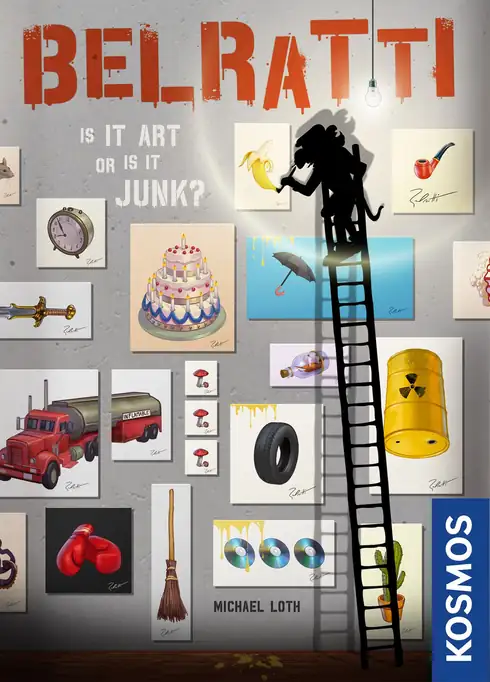
Everyone plays together against the art forger Belratti, split into the museum management and the painters; the roles rotate. Two face-up picture cards set the themes. The painters lay cards from their hand face down, each intended for one of the themes, and may only say how well their cards fit. Four random forgeries are shuffled in with them. The museum management assigns the pictures to the themes and sets aside four supposed forgeries. Painters’ pictures placed with the intended theme score for the team; forgeries that are accepted score for Belratti. The game ends at six forgeries; the team wins once it has 15 points.
What it can help develop
Belratti thrives on putting yourself in other people’s shoes: the painters consider which connection the museum management will recognize, and the management reconstructs their thinking. This is perspective-taking in both directions. A picture can fit a theme through its meaning, shape or color: if an ear and a moneybag are on display, which of them does the smartphone belong to? This calls for cognitive flexibility. The painters practice impulse control: they stay silent while their pictures are misinterpreted.
Especially suitable for
- Children from age 8 who enjoy lateral thinking
- Large family groups, even with seven players
- Children who dislike losing: everyone plays against Belratti
Less suitable for
- Two-player games: it needs at least three people
- Players who do not cope well with bad luck
Our verdict
Belratti is a worthwhile choice for families in large groups of up to seven people and for children from age 8 who like leaps of thought. Everyone plays together against the art forger, which takes the pressure off players who lose. In 2019 it was on the Spiel des Jahres recommendation list and won the À la carte award. Its limitations are that it cannot be played with two, and that forgeries which happen to fit leave the team no chance in some rounds.
Getting started
- Pass the roles on after each round: the cards go to the player on the left, so everyone takes turns being the museum management and a painter.
- Make clear beforehand that the painters may only say how well their cards fit, nothing more.
- Announce how the game ends: the sixth forgery ends the game, and the team wins once it has 15 points.
In detail
Variants and player count
According to Spiel des Jahres, Belratti was designed by Michael Loth, and the edition listed there is intended for 3 to 7 people from age 9. The first edition was published by Mogel, and a revised new edition has been available from Kosmos since 2023. According to Brettspielpoesie, the Mogel edition has 168 cards and the new Kosmos edition 192. The Kosmos rules for the new edition give the same basic rules as the Mogel edition: two themes, four forgeries, the end of the game at six forgeries, victory at 15 points and passing on the roles. The difficulty can be adjusted, and with three forgeries it becomes easier. According to Reich der Spiele, the roles change after every round.
What reviewers say
According to Spiel des Jahres, Belratti was on the recommendation list in 2019, and in the same year it won the À la carte award of Fairplay magazine. Fairplay praises the fun and the fact that it works for seven people. In its review of the Mogel edition, Hall9000 praises the discussions and the need to put yourself in other people’s shoes; in that review, forgeries that happen to fit perfectly and plain drawings are criticized. In its review of the Mogel edition, Brettspielpoesie also criticizes the fact that forgeries sometimes fit perfectly and, in its comparison of both editions, the need to assign the pictures to the themes.
How it compares
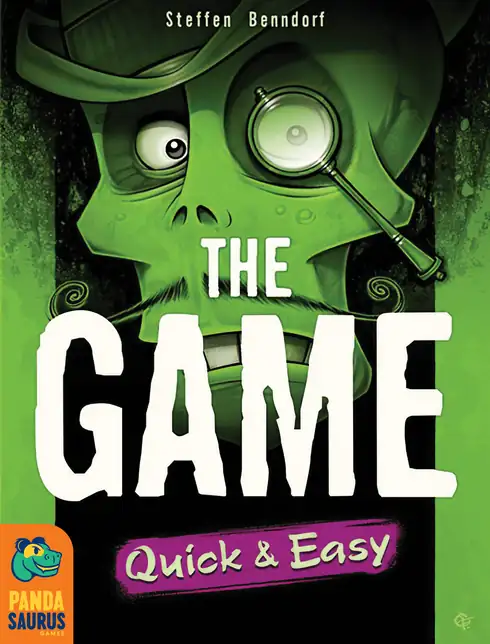
Bomb Busters (from age 14, 2 to 5 people, about 30 minutes) shares the skill area of cooperation with Belratti and, like Belratti, calls for perspective-taking; Bomb Busters adds deductive reasoning and weighing risks. Anyone who quickly finds number puzzles frustrating is less well served by Bomb Busters. The Game: Quick & Easy (from age 8, 2 to 5 people, about 10 minutes) has the same age as Belratti and also shares the skill area of cooperation. The Game: Quick & Easy also covers logic and planning as well as numbers and arithmetic, while Belratti covers flexibility. Bomb Busters and The Game: Quick & Easy can already be played with two, Belratti only from three people. Belratti suits children from age 8 who enjoy lateral thinking, large family groups of up to seven people and children who dislike losing, because everyone plays together against the art forger Belratti. Anyone who copes badly with bad luck is less well served by Belratti.
Sources
- Spiel des Jahres: Belratti (jury, in German)
- Fairplay: À la carte 2019, Belratti (in German)
- Hall9000: review (in German)
- Brettspielpoesie: review (in German)
- Brettspielpoesie: Belratti, vorher und nachher (comparison of editions, in German)
- Reich der Spiele: review (in German)
- Kosmos: Belratti, rules of the new edition (PDF, in German)
Frequently asked questions
What age is Belratti suitable for?
Belratti is recommended from age 8. A child is ready when they like putting themselves in other people’s shoes and can bear to stay silent while their pictures are misinterpreted. They also need to recognize that pictures can be connected in several ways: through meaning, shape or shade of color.
How long does a game take and how many people can play?
A game takes about 25 minutes. The game is for 3 to 7 people, who play together against the art forger; it does not work with two. The team wins once it has 15 points, and the sixth forgery ends the game.
What skills can Belratti help develop?
The skills profile lists cooperation and flexibility. Everyone plays together against Belratti, and a picture can belong to a theme in several ways: with the themes ear and moneybag, for example, it is an open question where a smartphone fits.
What if a child does not like losing?
Nobody loses alone here, because everyone takes on Belratti together. That takes the pressure off, even if random forgeries sometimes fit so well that the team hardly stands a chance.